Skip to content

Search the blog

Tag: birminghamTag: blitzTag: scotlandTag: easter-rising
This week at The Archive we have added 211,776 new pages to our holdings. With a mighty 53 updated titles, and 9 brand new titles added, we take you from the complex underworld of women’s clothing design in London, to the threatening notices posted on gates and chapel doors in Hexham. Additionally, continue on to discover the swan scandal in Linlithgow that shook the town, and contributed to the wider conversation of human-related pollution in lochs across Scotland.Register now and explore The
With one week to go until St Patrick’s day, we at The Archive are turning our focus across the water to Ireland for this week’s titles. We will uncover how Cork Free Press was involved in a printing disgrace following an editorial disagreement, with the paper eventually being brought to an end following an act of suppression by the British authorities. Additionally, newly added pages from the Belfast Telegraph allow us to dive into the passage of the Thirty-fourth Amendment
This week at The Archive we’re delving into the history of prohibition across Scotland and its impact on local distilleries. As well as exploring a time when parts of Scotland went dry for a bit longer than just the month of January, we’ve added 74,458 brand new pages to The Archive, as well as updating twelve titles from across England, Scotland and the Isle of Man.So read on to discover which of our titles we have updated this week, and
This week at The Archive we are delighted to welcome a brand new title from the sunny south coast, the Bournemouth Times and Directory, as we take a moment to remember the devastating Bournemouth Blitz. In all, over the last seven days, we’ve added 366,686 brand new pages to our collection, whilst we’ve updated 25 of our existing titles from across England, Scotland and Northern Ireland.So, from Buckingham to Burnley, from Dingwall to Driffield, from Mid Sussex to Mid Ulster, read
This week at The Archive we are illuminating Irish history with the addition of three brand new Irish newspapers, from Dublin, Limerick and Kerry. Meanwhile, over the past seven days, we have added a total of 122,848 brand new pages, whilst we have also updated five of our existing titles from the Republic of Ireland and Northern Ireland.So read on to discover more about all of our new and updated titles of the week, as well as to learn about
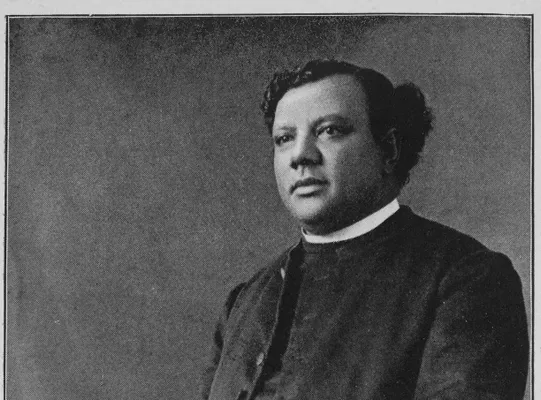
At the British Newspaper Archive we are always delighted to hear how The Archive has been used to inform a range of different research interests. In this very special guest blog, Sidonia Serafini of Georgia College & State University and Barbara McCaskill of the University of Georgia take a look at the work of the Reverend Peter Thomas Stanford, Birmingham’s first Black minister, as reported in the British press, through the newspapers to be found in our collection.In March 1883, Reverend
This week has been another record-breaking week here at The Archive, as we have now reached another milestone of over 57 million pages all now available to search as part of our collection, with 633,752 brand new pages joining us in all over the past seven days. Meanwhile, we’ve added three brand new newspaper titles to the site this week, two of which illuminate the religious climate of the mid to late nineteenth century, whilst another shines a light on local news
From South Shields to Saint Lucia, from Carmarthen to Canada, we’ve added 155,351 brand new pages to The Archive this week, spanning over 180 years of headlines. Furthermore, we’ve updated eighteen of our existing titles, with updates covering our regional titles from England, Scotland and Wales, as well as some of our international titles from Canada and the Caribbean.So read on to discover more about our updated titles of the week, as well as to learn about the bombing of a
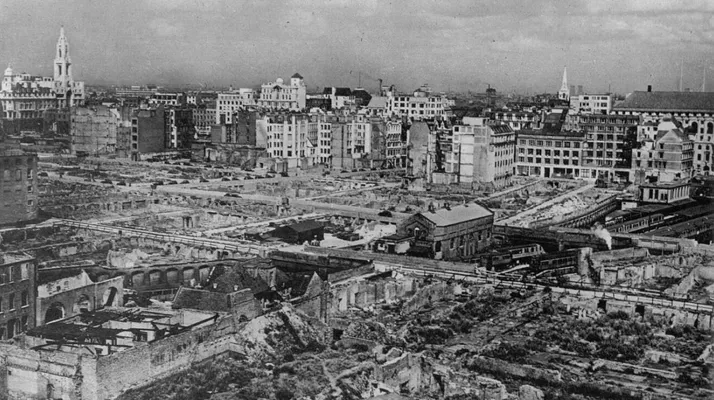
In the decade after the Second World War had come to an end, and indeed beyond, many communities across the United Kingdom were faced with very vivid reminders of the conflict: bomb sites, the country’s ‘war scars.’In this blog, we will examine how people in Britain lived alongside bomb sits in the 1950s, using newspapers taken from The Archive. We will explore how communities adapted to live beside bomb sites, and how they transformed them into gardens and playgrounds.
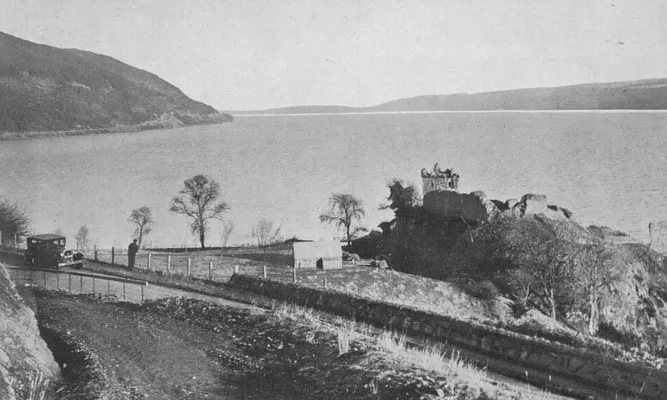
In early May 1933 reports that some kind of monster had been spotted in Loch Ness, in the Scottish Highlands, near Inverness, reached the press. By the end of the year, national weekly publication The Sphere wrote:When the Loch Ness monster first came into the news many believed that the stories published in the Press were nothing more than mere sensationalism. To-day this theory does not hold good. People, whose judgement can be relied on, have seen the ‘monster,’ and