Skip to content

Search the blog

Tag: 1920sTag: 1930sTag: london-history
Wow, what a week it’s been, as we’ve reached over 100 million pages, and now, this week, we’re going to take you on a walk through 1850s London. It won’t quite top that 100 million pages feeling, but we’ve added another 259,715 brand new pages to The Archive from across the UK and Ireland, as we continue to add more historical newspapers to our collection.In all, this week, we’ve added four brand new titles from England and Ireland, as well as updating 22
This week at The Archive we’re delighted to welcome 202,948 brand new pages to our collection, as we mark 135 years since the opening of the new Battersea Bridge, which was designed by Sir Joseph Bazalgette. Meanwhile, we’ve added four brand new titles and updated nine of our existing ones, from across the British Isles and Ireland.So read on to discover more about all of our new and updated titles of the week, as well as to learn more about the
This week we are marking of the ninetieth anniversary of the release of the Alfred Hitchcock film The 39 Steps, which came out on 6 June 1935. Meanwhile, we are celebrating the addition of eight brand new newspaper titles, the updating of twelve of our existing titles, as we have added 150,950 brand new pages to The Archive in all over the last seven days.So read on to discover more about the release of The 39 Steps and to learn more about our new
This week at The Archive we are delighted to welcome one splendid brand new title to our collection – Toby – the ‘East London Watch-Dog‘ – which provides us with a fascinating insight into attitudes to the police in Whitechapel at the time of Jack the Ripper. That’s not all, over the last seven days we’ve added 89,020 brand new newspaper pages, whilst we’ve made important updates to our newspaper titles from across England, Scotland and Northern Ireland.So read on to discover more
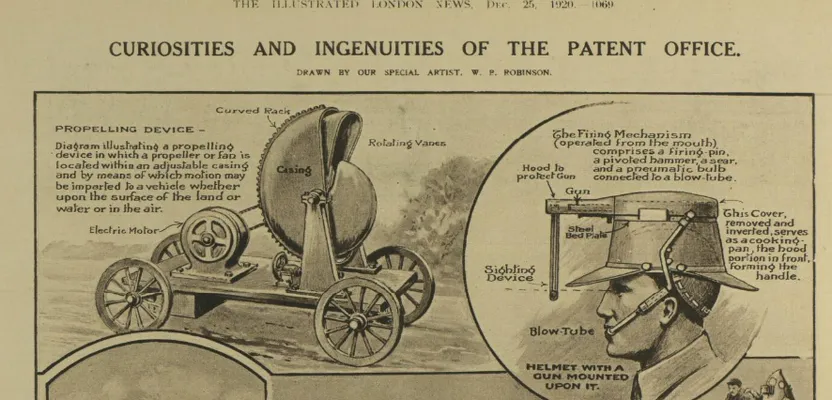
In December 1920 the world’s first illustrated weekly news magazine the Illustrated London News delved into the ‘curiosities and ingenuities‘ of the Patent Office, featuring some of Britain’s most unusual rejected patents.Illustrated by the publication’s own artist W.B. Robinson, the Illustrated London News presented a series of the bizarre designs that had been submitted to the Patent Office, but had since ‘lain dormant.’We at The Archive were keen to delve into our collection’s cabinet of curiosities, and these rejected
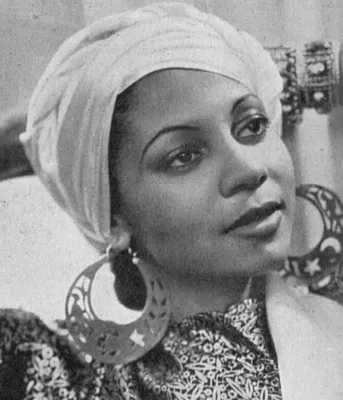
In the late 1930s a newcomer made her way onto British cinema screens: Princess Kouka. From Sudan, Princess Kouka, born Tahia Ibrahim Belal, had been spotted by film producer Walter Futter, who was determined for her to appear in his next film.Using newspapers from the time, we uncover the legacy of this largely forgotten film star, who travelled to Britain and impressed audiences across the country.‘A Notable Newcomer’On 18 December 1936 London’s Daily News reported on the impending arrival
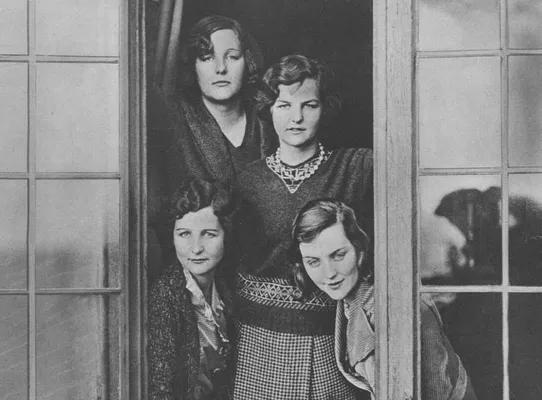
The aristocratic Mitford sisters – Nancy, Pamela, Diana, Unity, Jessica and Deborah – hit the headlines throughout their lifetimes, with tales of scandal and intrigue filling the pages of the press from the 1920s and beyond.Born to David Freeman-Mitford, 2nd Baron Redesdale, and his wife Sydney, alongside brother Thomas, the Mitford sisters often shocked society, whether it be through their political views, or their private lives.In this special blog, we shall unravel the remarkable stories of the six Mitford sisters,
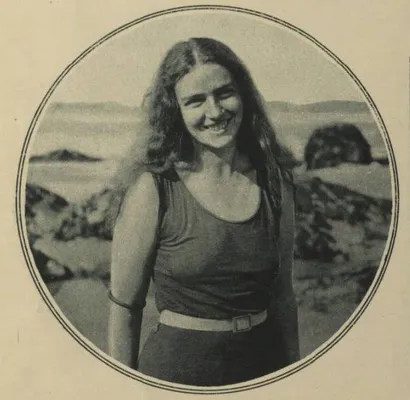
Mercedes Gleitze (1900-1981) was the first British woman to swim the English Channel, and the first person to swim the Straits of Gibraltar. In an amazing career that spanned the 1920s and 1930s, Mercedes captured the imagination of the British public and became a household name.Born to German parents in Brighton, Mercedes was one of three sisters. Skilled in languages, she moved to London where she worked as a secretary and stenographer. Whilst living in London she began swimming in
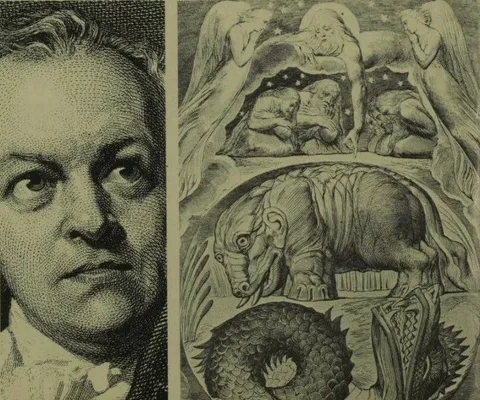
The work of poet, mystic and painter William Blake was largely unrecognised in his lifetime. The son of a dissenting hosier, Blake was born in London’s Soho in 1757, and was apprenticed to an engraver at a young age. Hostile to organised religion, he created an array of paintings and poetry, often inspired by his visions, before he passed away in 1827.In this special blog, we will take a look at the evolving attitudes to the art of William Blake. We
This week at The Archive we’re delving into occupation history with the addition of two special employment related titles, the Licensed Victuallers’ Guardian and the Situation and London Advertiser. We’ve also added three brand new Scottish titles to our collection over the past seven days, alongside new publications from Cheshire and Northamptonshire.So read on to learn how aging licensed victuallers were chosen to be admitted to the Licensed Victuallers’ Asylum at the Old Kent Road, a building which consisted