Skip to content

Search the blog

Tag: londonTag: blitz
With less than a week to go until Christmas, we have an array of Christmas treats with which to spoil you, as we have added 599,426 brand new pages and 19 brand new newspaper titles to The Archive over the past seven days. Meanwhile, we’ve also reached 61 million pages in total on the site, a remarkable achievement to round off what has been a remarkable year for us.So read on to discover more about our new titles of the week, which
This week at The Archive we have a South London special for you, with three brand new newspaper titles joining us from the likes of Croydon and Southwark. Meanwhile, we’ve added 360,986 brand new pages in total to our collection over the past seven days, with five brand new titles being welcomed to The Archive in all.We’ve not neglected our existing newspaper titles either. From Gloucester to Grimsby, from Plymouth to Port Talbot, from Stirling to Sevenoaks, we’ve updated 68 of
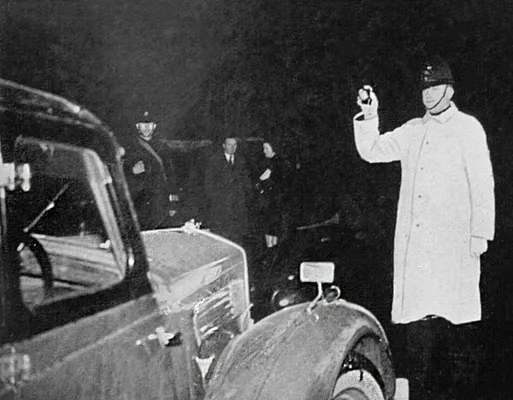
A walk along Piccadilly in the black-out is one of the many queer experiences of this war. The once brilliant centre of London’s night life is now as dark as any forest, and indeed, like a forest, the darkness is full of rustlings and whisperings, of half-seen shapes, and of a sinister feeling of eager, but invisible, life.So began a Daily Herald article on blackout crime in London during the Second World War. With blackouts imposed across the United
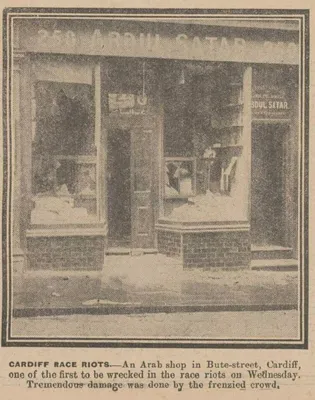
In the aftermath of the First World War, severe competition for jobs, especially in the ports of the United Kingdom, became widespread. Alongside this competition, a new awareness of Britain’s Black and minority ethnic population arose, fuelling the perception that such so-called ‘foreigners’ were stealing the scarcely available jobs.This toxic atmosphere would ultimately lead to the race riots of 1919, which began in January and lasted until August of that year. Violence broke out in cities across the United Kingdom,
We are delighted this week at The Archive to have reached yet another milestone, as we’ve reached 55 million pages, just under fourth months since we reached 50 million pages in April. Furthermore, we’ve added an incredible 308,283 brand new pages to our newspaper collection, with four brand new titles joining us this week, which hail from London and the Caribbean, and also include a specialist religious title.Meanwhile, we’ve updated an amazing 57 of our existing titles this week, with updates to our
Over the past seven days here at The Archive we have been busy adding 131,994 brand new pages to our collection, as we continue to augment our newspaper holdings from across Britain, Ireland, and beyond. This week we’re delighted to welcome one brand new title from London, the Lewisham Borough News, as well as updates to twelve of our existing titles.So read on to discover more about all of our new and updated titles of the week, and as the
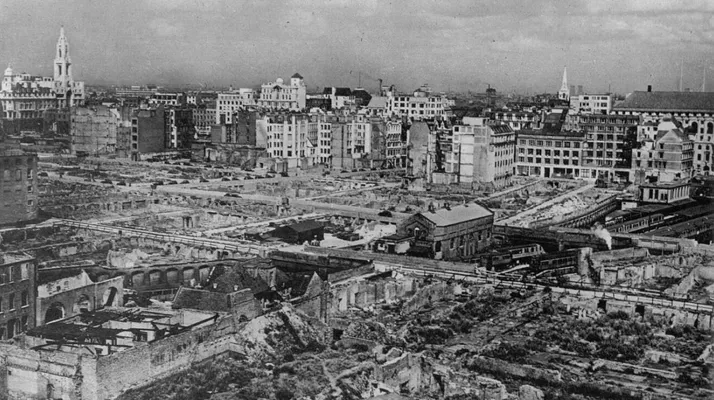
In the decade after the Second World War had come to an end, and indeed beyond, many communities across the United Kingdom were faced with very vivid reminders of the conflict: bomb sites, the country’s ‘war scars.’In this blog, we will examine how people in Britain lived alongside bomb sits in the 1950s, using newspapers taken from The Archive. We will explore how communities adapted to live beside bomb sites, and how they transformed them into gardens and playgrounds.
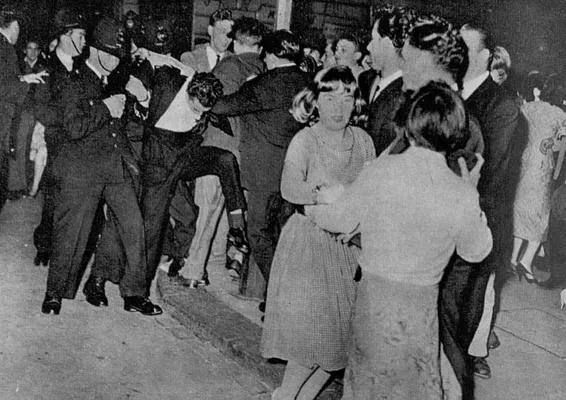
In late August and early September 1958, the London area of Notting Hill was the scene of racially motivated riots, in which white, working-class, ‘Teddy Boys,’ and others, displayed hostility and violence to the Black community in the area.These riots took place ten years after HMT Empire Windrush arrived in Tilbury Docks, carrying 492 Caribbean migrants. Since that moment in history, more and more migrants arrived in Britain from the Caribbean, and they would come to be known as the ‘Windrush
This week at The Archive we have added an amazing 293,242 brand new pages, with 29 brand new titles joining us from Scotland, Wales and eighteen English counties. Meanwhile, we have also been busy attending to our existing titles, with 60 of these updated in all over the past seven days. With all these brand new pages added to The Archive, we now have over 48 million pages available to search, with the milestone of 50 million pages on the horizon.So read on to
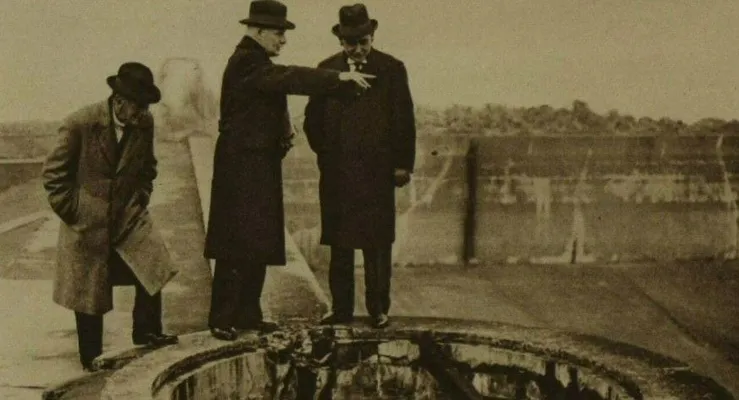
In late 1937 in the borough of Croydon, South London, people began to fall ill with typhoid. Typhoid is a disease that is associated with contaminated water and outbreaks of the illness, at least in the United Kingdom, is something that we might associate today with the nineteenth century, before an age of improved sanitation and safe supplies of drinking water.And so, in this special blog, we will take a look at how the Croydon typhoid epidemic gradually unfolded, as