Skip to content

Search the blog

Author: the-bnaTag: londonTag: fashion
This week 282,566 pages have joined the archives from ten Titles. We have added one new title and augmented our holdings of a further nine titles extending coverage from the 1810s and 1990s.New to the Archive this week is the Folkestone Daily News 1910-1914. The title, which shows evidence of extensive handling before being microfilmed and subsequently digitised, joins three other Folkestone titles in the Archive. The four titles combined cover the history of the harbour town from 1855 to 1999.In our
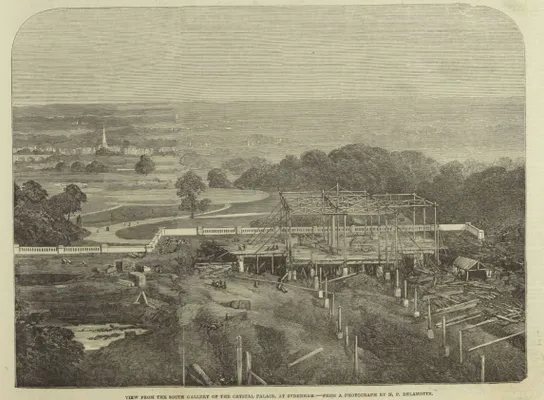
We are delighted to feature a guest post this week by Peter Manning, who used The Archive to research his new book Palace at the Palace – A History of The Crystal Palace & Its Football Club 1851-1915.My project started out as research into the Crystal Palace football teams that played at the old Crystal Palace at Sydenham, but the history that was revealed by searching the BNA’s archives was so interesting and so compelling that I ended up writing a book
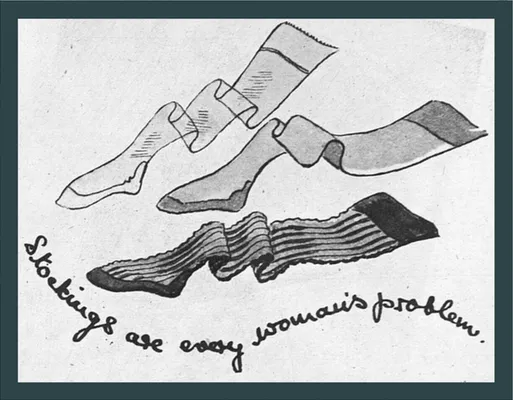
stockings
In discussing the fashions during the Second World War, we turn to the pages of Britannia and Eve.  Along with providing general news, this paper has dedicated sections on such topics as fashion, home, and knitting. Wonderful illustrations and photographs are included amongst its pages.Explore all our fashion findings here!KnittingKnitting advice and patterns are no strangers to the pages of our newspapers. It could be said that the value of such readily available information was made all
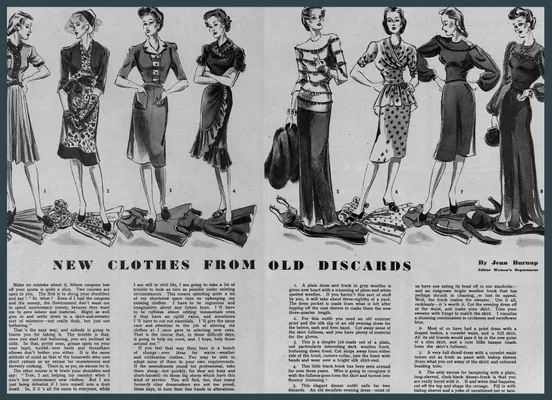
new clothes from old
War impacts every part of life, some more obvious than others. In this post, we will explore the impact of war on fashion; particularly, we will look at how the topics of economy and quality shaped war-time fashion. The article excerpts included in this post are from two recurring columns: ‘The Highway of Fashion‘, printed in The Tatler, and ‘Fashions by Jean Burnup‘, printed in Britannia and Eve.Explore knitting and fashion in the Second World WarEconomyWith the
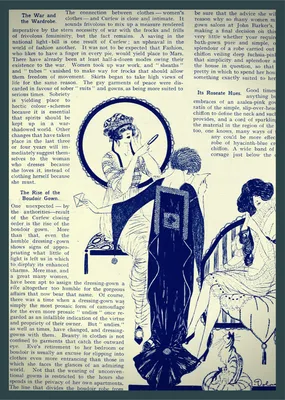
War and wardrobe
When you first think of the Great War, I’d wager that fashion is not the first thing to come to mind. However, it was, in fact, on the mind of many who lived through those years of war.There are several series dedicated to the topic of fashion that ran throughout the war years and that you can find in The British Newspaper Archive: (1) ‘Woman’s Sphere in War Time’, printed in The Sphere; (2) ‘Woman’s Ways’, printed in The Sketch; (3) ‘The
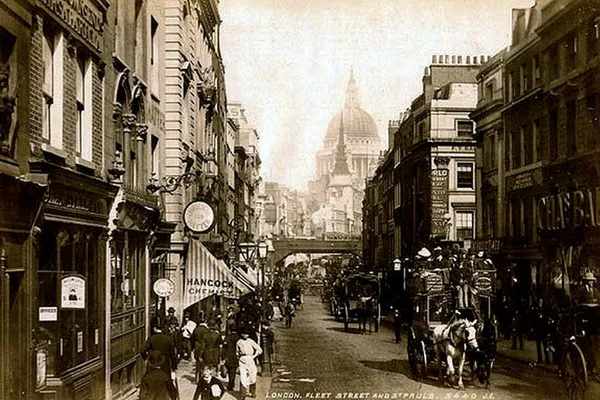
London is steeped in rich history. Every borough, street and building in the UK’s capital city has a past and the British Newspaper Archive is one of the best resources available for unlocking the stories behind them. No matter what part of London you’re interested in researching, you’ll find newspapers covering every locality, with contemporary reports from some of the most pivotal eras in British history.Register now and view London newspapers for FREEOne of the quickest ways to
While researching A Visitor’s Guide to Jane Austen’s England, author Sue Wilkes discovered an amazing romance which could have appeared in an Austen novel. We love hearing about what you’re finding in the newspapers. Tell us about your own discoveries in the comments section below. ************** Heiress Augusta Nicholson, a most intrepid young lady, showed great ingenuity when she fell in love with handsome John Giles, a penniless comedian.Miss Nicholson was a ward of chancery and would inherit £14,000 when she
The first person to be arrested and charged for driving under the influence of alcohol was George Smith, a London cabdriver.Charged with drunk driving on 10 September 1897This article from the Morning Post reported that at about 00:45 on Friday 10 September 1897, Smith’s vehicle ‘swerved from one side of the road to the other, and ran across the footway into 165 New Bond Street’.George Smith admitted that he’d had ‘two or three glasses of beer’ and apologised, stating that ‘it is the
Michelle Higgs, author of A Visitor’s Guide to Victorian England, has uncovered lots of fascinating stories by searching our historical newspapers. She got in touch to tell us about Lady Florence Harberton and her fight for Victorian women’s freedom to wear practical clothing.**************It might surprise you to know that until the 1870s, it was rare to see unaccompanied middle or upper-class women walking in the streets. This was because they ran the risk of being mistaken for prostitutes, so
Mrs Caudle first appeared as a character in Punch magazine in 1845. She was portrayed as the archetypal nagging wife, always telling her husband off for something.The West Kent Guardian reveals the real Mrs CaudleThis article from the West Kent Guardian reveals that the real-life Mrs Caudle was also a woman not to be messed with. The newspaper published the following court report on Saturday 26 July 1845.West Kent Guardian – Saturday 26 July 1845Image © THE BRITISH LIBRARY BOARD. ALL RIGHTS RESERVED.