Skip to content

Search the blog

Author: the-bna
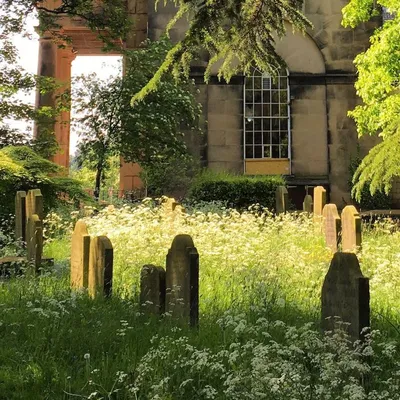
1801 Brain fever kills travelling businessmanSitting in the graveyard of St Chad’s Church in Shrewsbury is a curious headstone.It belongs to a man called Benjamin Beach. But it doesn’t contain just the usual religious platitudes you’d expect to find – it tells the story of the poor man’s sad and painful demise at one of the town’s most popular inns.You have to look closely and carefully to read what’s written as years’ of weathering has taken its toll slightly –
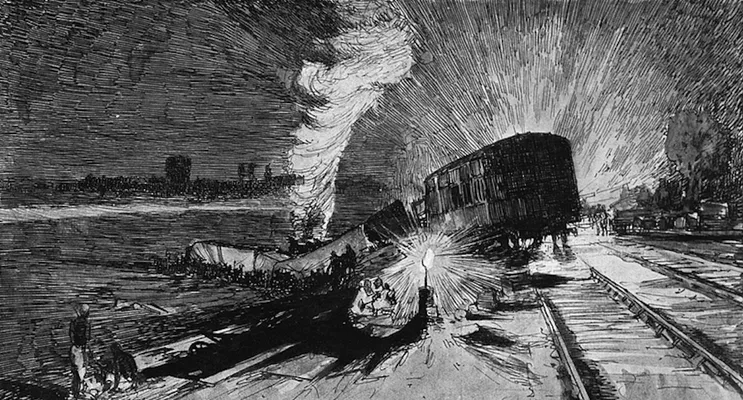
From its inception to the present day, the transportation and delivery of the Royal Mail has experienced quite the evolution. Its vehicles for transportation have, over the years, made headlines. Sadly, they were not necessarily good headlines to make; from accidents to robberies, our newspapers tell it all.The infamous Great Train Robbery of 1963 received particular attention in the newspapers. The robbery was the largest of its kind, with more than £2 million stolen from a Royal Mail train. The Illustrated
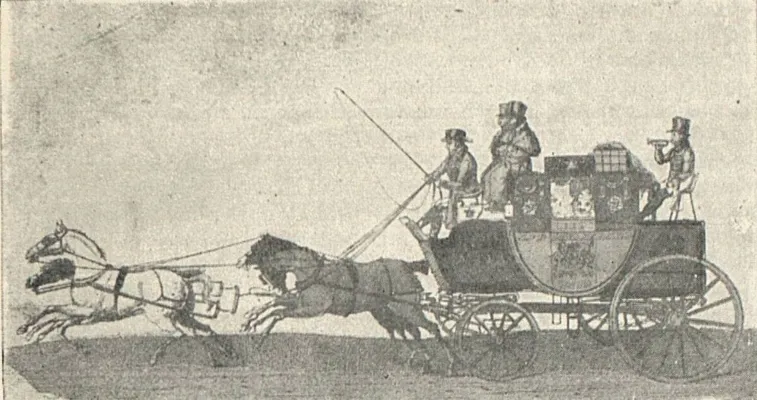
Where would we be without post offices! Believe it or not, but post offices did not always exist. You can learn about their origins in The British Newspaper Archive. You may also discover details about your local post office — when it opened or when previous iterations closed!Among detailing the post office’s evolution, the above article also includes an anecdote that relates to a time when the recipient of a letter was obliged to pay the postage:‘The terms “post-chaise”,
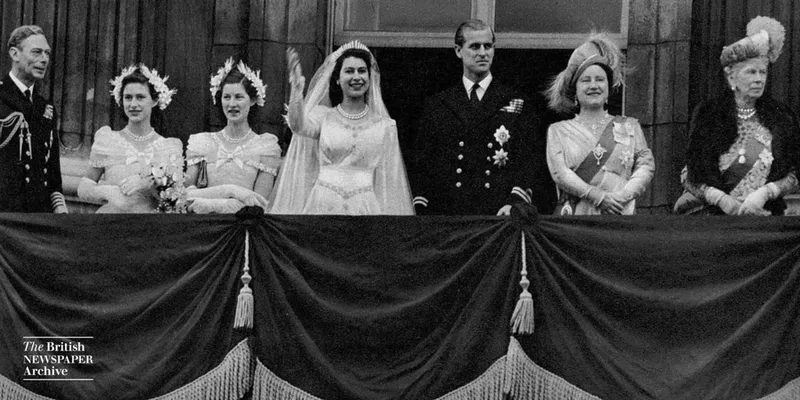
Elizabeth and Philip
With Prince Harry’s wedding underway today, we’re sharing all our posts from this past week’s #RoyalWeddings theme. (With a few extras thrown in!) Enjoy!Tickets for royal weddings are nothing new, as we see from this notice about the wedding of the Princess Royal to the Prince of Orange in 1734A description of George III’s German bride in 1761 Her Majesty is of middle stature, at present rather what may be called short than tall, but as she is not much
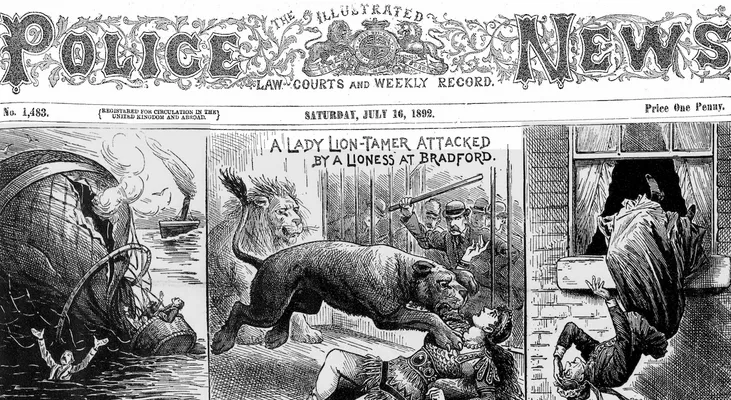
Crime stories have filled newspapers since the seventeenth century.  From sensational murders to notices seeking the return of stolen property, you will find stories relating to crime in all of our newspapers.While crime-related news can be found in almost every title, we do hold several newspapers dedicated to crime and punishment.TitleYearsCleave’s Weekly Police Gazette1835, 1836County Courts Chronicle1847-1870, 1885-1896Illustrated Police Budget1899Illustrated Police News1867-1938Lloyd’s Companion to the Penny Sunday Times and Peoples’ Police Gazette1841-1847People’s Hue
This week we have published 21,349 pages to The Archive.  We have published six brand new titles and added pages to four existing titles.   This week we have added brand new papers for the counties of Dorset, West Sussex and Cheshire in England, and an important political newspaper for Ireland.With the addition of the Bournemouth Guardian, The Christchurch Times and the Southern Times and Dorset County Herald The Archive now holds nine newspapers for Dorset.  Our coverage for the county
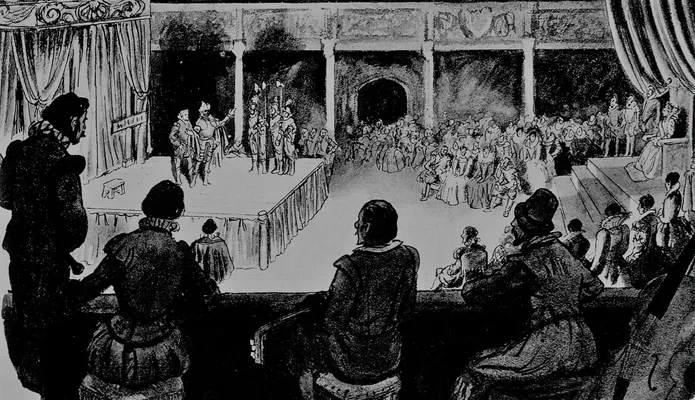
If you are interested in the history of theatre, music, dance, circuses, travelling troupes, opera or any of the performance arts then The British Newspaper Archive is an invaluable source.  Reports of recitals, reviews of plays, and critiques of musical performances can be found in all of our newspapers.  We also hold a selection of specialised titles related to the performing arts.Our newspapers date from the 1700s to the 2000s and within their pages you can trace the history
It’s been another busy week of digitising and publishing at the British Newspaper Archive. We’ve added 115,568 pages including seven brand new titles, and made further additions to five existing newspapers.Register and get 3 FREE page viewsBrand New TitlesMaking their debut this week are historical local papers from London, Cambridgeshire, Norfolk and North Yorkshire. Plus, our focus on women’s history continues with the addition of three publications that broadly cover the topics of suffrage, socialism and female issues of
Scotland
Using newspapers for your Scottish genealogy researchDo you find yourself daunted at the prospect of researching your Scottish ancestors? Keep the heid! There exists a fantastic array of records that can get you further along in your family history research. The main problem, however, is access. Much of what exists has not been ditigised, and for those that have been, many are not indexed. It is overwhelming figuring out where to search and what records, if they were created,
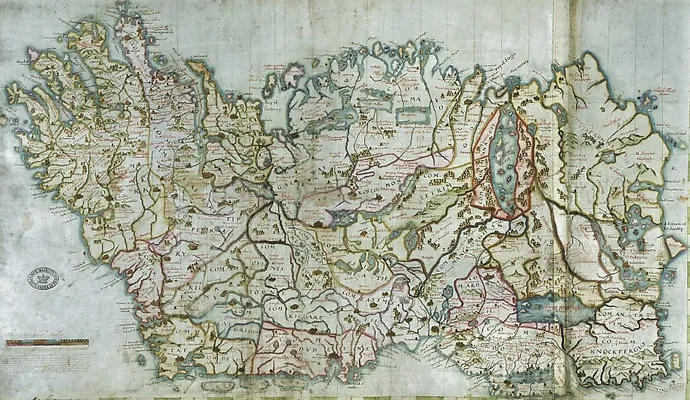
Anyone starting to research their Irish heritage has heard the story: ‘all of their records were destroyed in 1922’.  The destruction of the Four Courts on 30 June 1922, which housed the public records office, was a huge loss… but! with digitisation, Irish family history is getting easier by the day.  Sites like our sister site Findmypast are opening up new avenues of research by digitising a wide variety of sources, and many of their Irish collections are free!Newspapers are particularly