
Hot Off The Press – New Titles This Week
Published on 28 November 2022 by Rose Staveley-Wadham
This week marks another incredible milestone here at The Archive – we have reached an amazing 60 million newspaper pages all available to search as part of our collection, just seven months after we reached the 50 million mark.
To celebrate this marvellous milestone, we have added a grand total of 592,776 brand new pages to The Archive this week, with 12 brand new titles joining us from England, Ireland and beyond. Indeed, this week marks the first time we have added newspapers that were published in Africa, with four new titles joining us from South Africa, Uganda, and Kenya. Meanwhile, we have updated 74 of our existing titles, with updates to publications from across the United Kingdom and Ireland.
So read on to discover more about all of our new and updated titles of the week, as well as to learn about when the telephone first came to the Colony of Natal in the 1870s.
Register now and explore the Archive
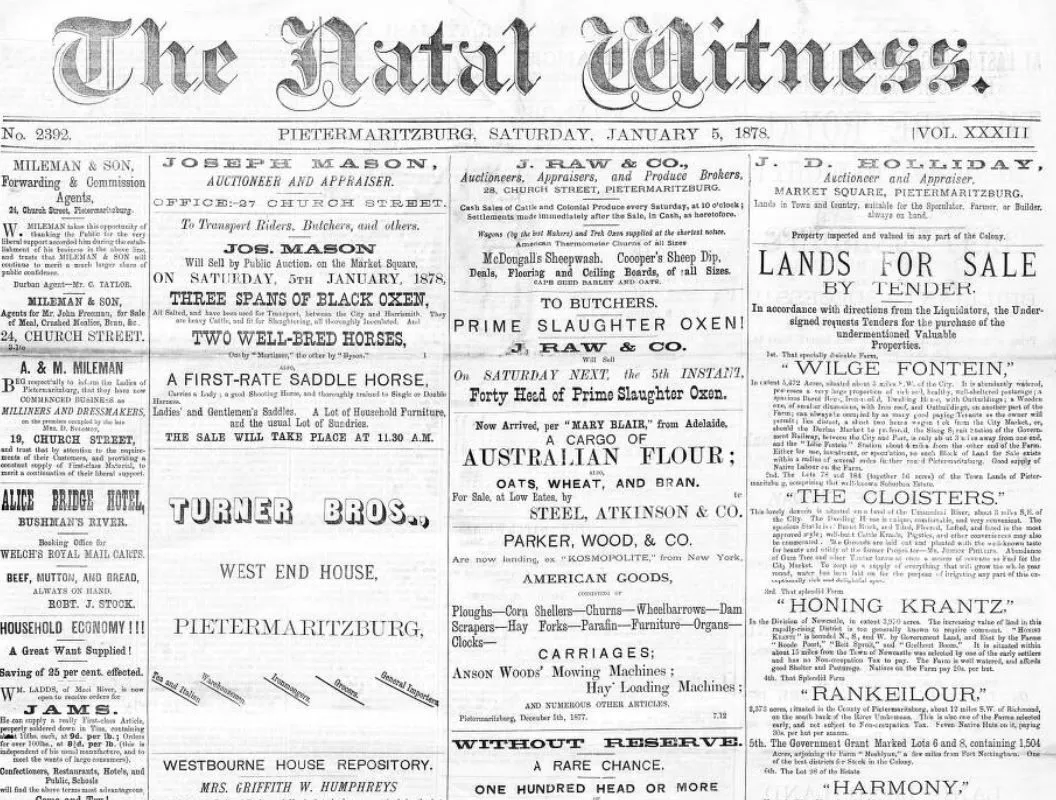
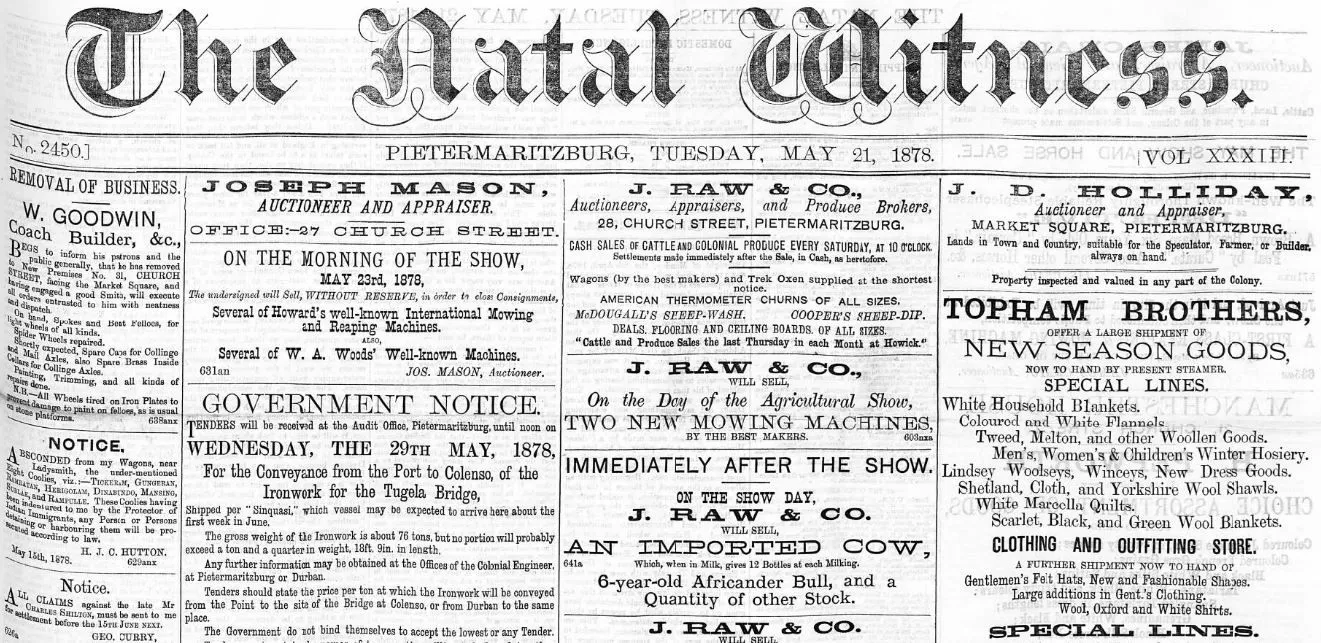
We begin our journey into our new titles of the week in South Africa, with the country’s oldest continuously published newspaper, the Natal Witness. The Natal Witness was founded in 1846 in Pietermaritzburg, only a few years after the town itself was established in 1838 by the Voortrekkers, a group of Dutch colonialists who trekked from the Cape Colony and founded the Boer Republic of Natalia. The Boer Republic, however, was a short-lived one, as the British government annexed it in 1843, and the region became known as the Colony of Natal.
The Natal Witness was founded by Scottish born David Dale Buchanan (1817-1874), who had arrived in Cape Town in 1829 at the age of 12 with his brother, who set up the Cape Town Mail. David Buchanan, however, travelled to Durban in January 1846, and from there he came inland to Pietermaritzburg where he set up his own newspaper, the Natal Witness.
As editor and proprietor of the new newspaper, Buchanan saw himself as a protector of the truth, his title’s masthead reading ‘The Whole Truth and Nothing But The Truth.’ Indeed, this stance often put him at odds with the authorities in the young colony. Meanwhile, he portrayed a liberal, if somewhat paternalistic, attitude towards the Black and Indian inhabitants of Natal.
Buchanan was to fall on hard times during the late 1860s. To remedy this, he travelled to the diamond diggings in Kimberley, where he fell ill with tuberculosis, dying in September 1874. Buchanan was succeeded as editor by Ralph Ridley, who died in June 1875, after which one Dr Smith took over the helm, to be followed by Francis Reginald Statham (1844-1908).
A composer and a writer, Statham was famed for his radical anti-imperialist writings. For example, he supported the independence of the Boers when the British annexed the Transvaal in 1877, whilst also supporting the Zulus during the Anglo-Zulu war of 1879. Following in Statham’s wake was an Irishman named Alfred Aylward, under whose leadership the Natal Witness became a daily newspaper.
In the period of 1888 to 1903 the Natal Witness became less radical, and it during this time it was edited by its first South African born editor, Ernest Thompson, who was born in Pietermaritzburg. In 1904 the editorship reins passed to Horace Rose, who instigated the publication of photographs in the newspaper in 1907. In 1909 the Natal Witness made newspaper history in South Africa by doing away with advertisements on the front page, replacing them with photographs, giving the title a more modern feel.
The Natal Witness continues to be published to this day, as a daily newspaper serving readers in Pietermaritzburg, Durban, and the inland areas of KwaZulu-Natal.
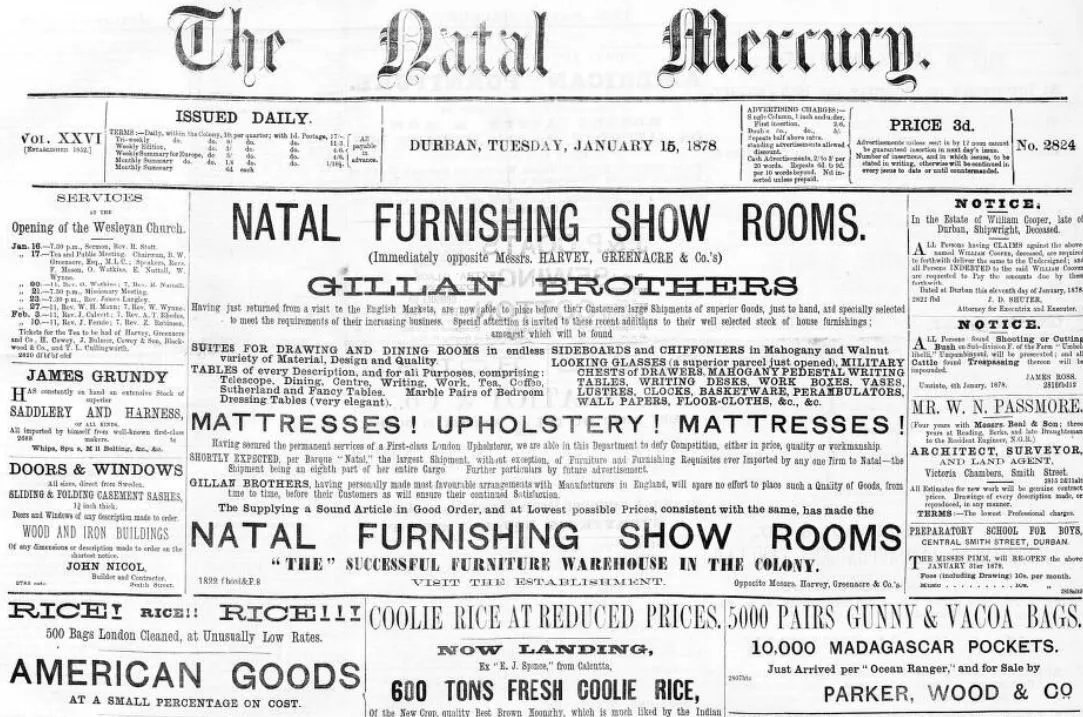
We stay in KwaZulu-Natal now to introduce our next new title of the week, which is the Natal Mercury. The Natal Mercury was founded a few years after the Natal Witness in 1852, and it was printed and published in Durban.
Durban is now the third most populous city in South Africa, and it traces its colonial origins back to 1822, when one Lieutenant James King landed there with British trader Henry Francis Flynn. Flynn returned in 1824, and during one of his visits he helped the Zulu King Shaka recover from a stab wound inflicted as an assassination attempt. As a mark of King Shaka’s gratitude, he gave Flynn a 25 mile stretch of coast, where Flynn raised the British flag. And so the modern city of Durban dates back to 1824, and it was given its name in 1835, when European colonialists named their settlement after the governor of the Cape Colony, Sir Benjamin D’Urban.
After the British annexation of the Boer Republic of Natalia, the Borough of Durban was proclaimed in 1854, two years after the Natal Mercury was first published. The newspaper focussed on news from the different colonies in South Africa (the Cape Province, Natal and the Transvaal), featuring, for example, ‘extracts from the Cape papers.’ Still published to this day as a morning daily newspaper, the title is now known as the Mercury.
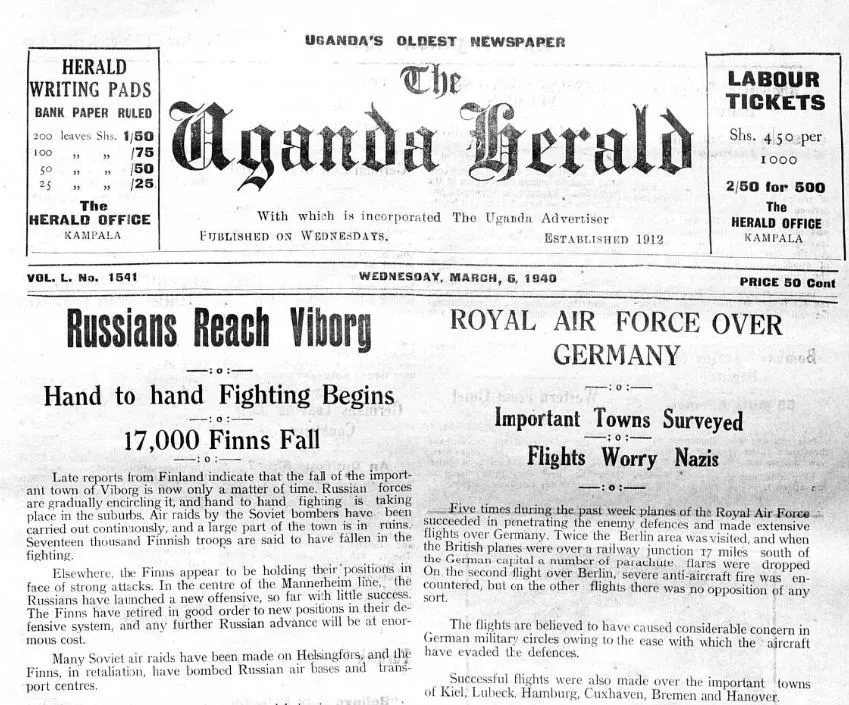
Our next new title of the week is the Uganda Herald, which is one of the country of Uganda’s oldest newspapers. A landlocked country in East Africa, from 1894 Uganda was ruled over as a protectorate of Britain, finally gaining independence in October 1962. Founded in 1912 in the Ugandan capital of Kampala, the English-language Uganda Herald newspaper appeared every Wednesday, filling over twenty pages every issue.
With a focus on international news, and particularly news relating to Britain and British interests, the Uganda Herald featured sections entitled ‘Our London Letter’ and ‘London Calling,’ the latter taking look at BBC Empire Broadcasting. It did, however, look at local Ugandan issues, with a focus on schooling in the country, as well as on sport, publishing the latest from the Uganda Football Association.
In the 1940s, the Uganda Herald followed the Second World War in minute detail. Indeed, 77,143 Ugandans would serve in the conflict, as part of the King’s African Rifles, participating in the Western Desert, Abyssinian and Burma campaigns. The patriotism of the newspaper is clear, with regular updates on the Uganda War Charities Fund.
From 1947 the newspaper was published on a triweekly basis, before ceasing publication in 1954.
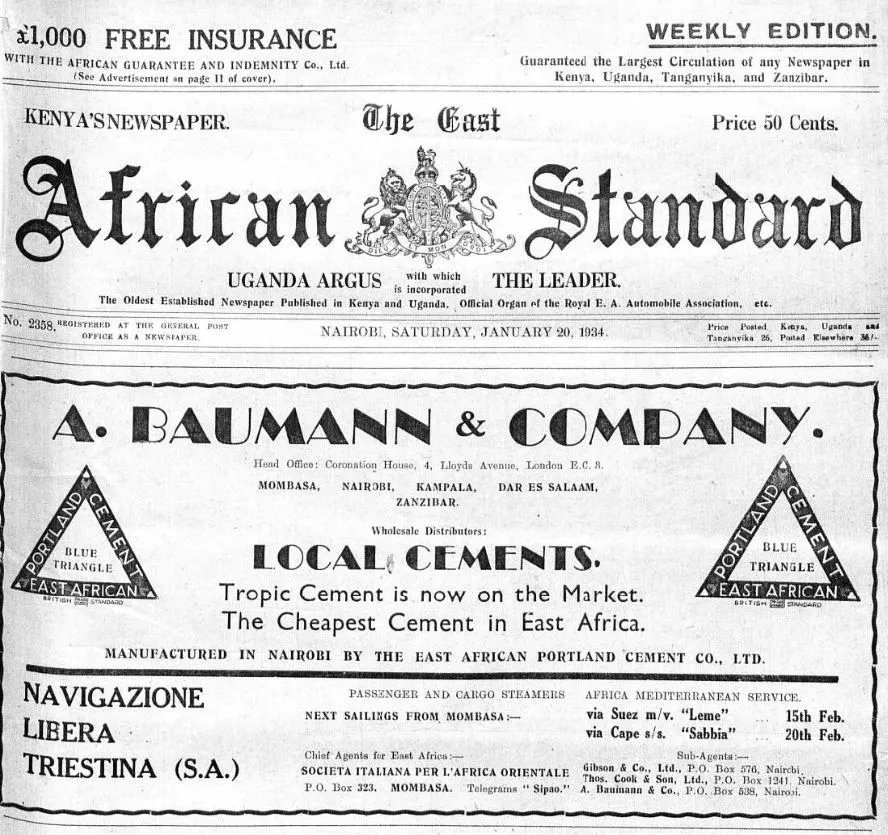
Our final new African newspaper of the week is the East African Standard, which is known as the ‘oldest established newspaper published in Kenya and Uganda.’ Established in Mombasa, Kenya, as the weekly African Standard in 1902 by A.M. Jeevanjee, an Indian merchant, the East African Standard was originally overseen by English editor-reporter W.H. Tiller.
British colonialists had arrived in Kenya in 1888 as the British East Africa Company, with the territory being known as British East Africa. Its original capital was Mombasa, but in 1907 the capital was changed to Nairobi, a settlement which traced its origins to the 1890s, when it was established as a colonial railway town. Nairobi swiftly grew, becoming an important centre for commerce, and attracting migrants from rural Kenya to become one of the largest cities in tropical Africa. In 1920, the wider region became known as the Colony of Kenya.
The African Standard followed suit, moving in 1910 to Nairobi and becoming the East African Standard. A thorough newspaper, the East African Standard featured ‘News From the Week in Brief,’ with news from across the world. For example, it featured a range of international headlines, from ‘Air Disaster in Belgium’ to ‘Motorist Shot in Russia.’ But the East African Standard also focussed on local news, containing ‘District News’ from the likes of Nakuru, Cherangani, Kiminini and Koru. It also published articles like ‘Scientists for Kenya,’ whilst taking a look at sport in Kenya, crime in the country, as well as ‘Nairobi Theatricals’ and the Nairobi Show.
Indeed, the newspapers printed pictures of the Nairobi Show, photographing the prize-winning animals, like a country show back in the United Kingdom. Indeed, the East African Standard was known to defend Kenya’s white colonialists, and in its early years represented the views and interests of this portion of the population. By the 1970s, however, after Kenya gained independence in 1963, the newspaper became more balanced, and gained a reputation for fine journalism. The newspaper continues to be published today as the Standard, appearing every day in Nairobi.
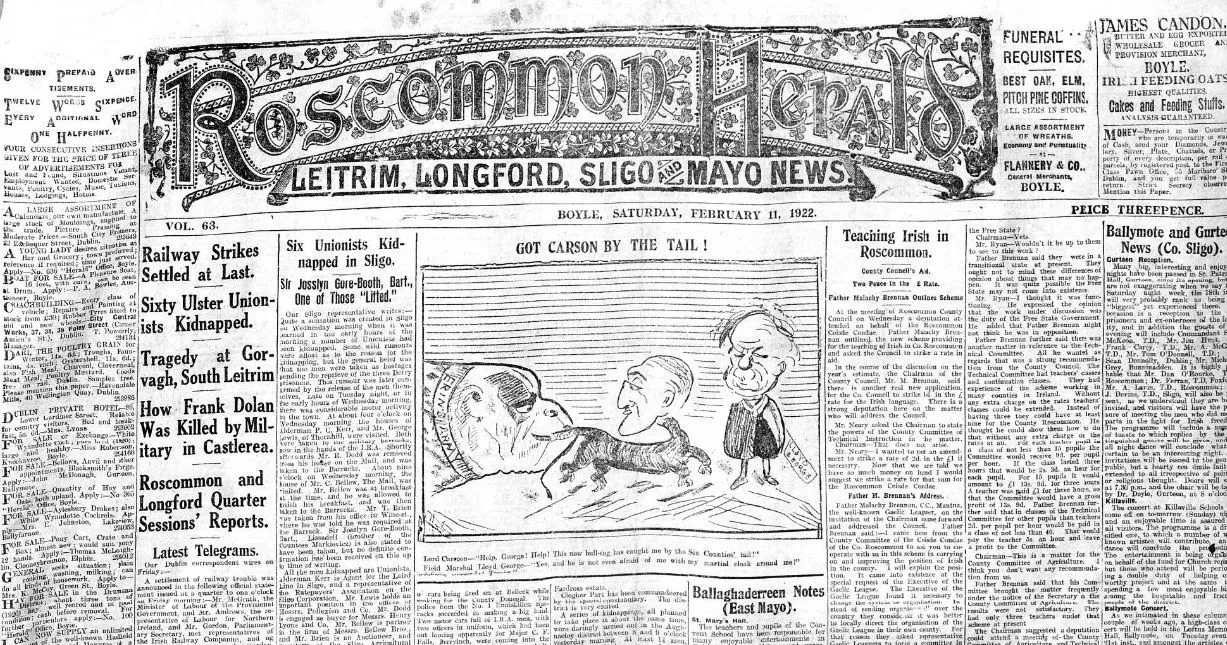
From Africa to Ireland now, and we’re delighted to introduce a duo of new Irish titles to our collection, the first of which is the Roscommon Herald. The Roscommon Herald was founded in 1859, circulating in the counties of Roscommon, Leitrim, Longford, Sligo and Mayo. Nationalist in its politics, it was published in the town of Boyle at the foot of Curlew Mountains.
In the 1880s, the newspaper fell under the leadership of ‘prorprietress’ Honoria J. Tully, unusual for a time when most newspaper proprietors were men. By the 1920s, the Roscommon Herald filled eight pages and was known as the Roscommon Herald and Leitrim, Longford, Sligo and Mayo News, and featured news from across Ireland. It took a look at local issues, reporting the latest from the Leitrim and Sligo County Councils and from the Roscommon Committee of Agriculture, and ‘notes’ from Carrick. The newspaper also featured a special Gaelic column, which was written in Gaelic, as well as publishing serialised fiction and international news.
The Roscommon Herald is published to this day, and is the ‘only paid-for regional newspaper dedicated to Roscommon Town.’
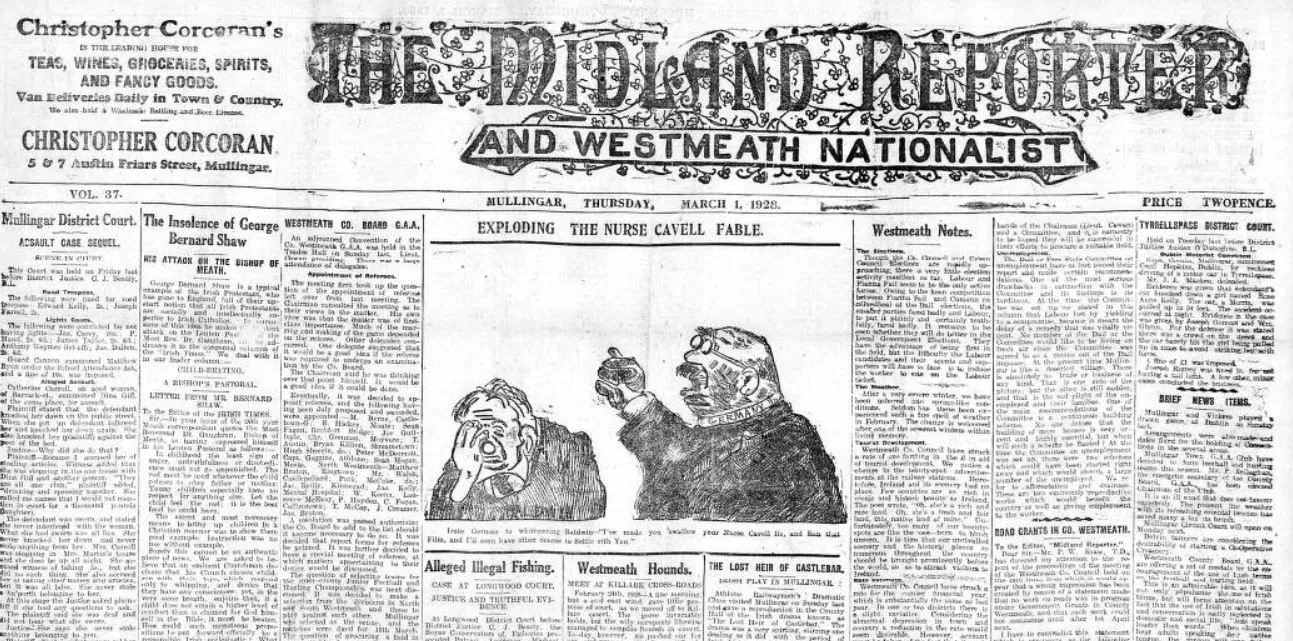
Our second new Irish newspaper of the week is the Midland Reporter and Westmeath Nationalist, which was published in Mullingar, the county town of Westmeath, from the 1890s. Appearing every Thursday, it was the mouthpiece for advanced Nationalist and Sinn Féin perspectives, acting as a platform for radical Nationalist M.P. Laurence Ginnell (1852-1923). Ginnell was the organiser of the Ranch Wars of 1906 and 1909, which represented the last major outbreaks of agricultural agitation in Ireland before independence.
The Midland Reporter and Westmeath Nationalist, was, therefore, an important Nationalist newspaper. Within its four pages, it also took at look at local issues, reporting on the latest from the Westmeath County Council, the Westmeath County Board of Health, and from the Mullingar Town Commissioners. Packing a lot in, the newspaper in the 1920s featured cartoons on its front page, as well as a ‘Story-Teller’s Column,’ international news, and a Gaelic column. The title ceased publication in the late 1930s.
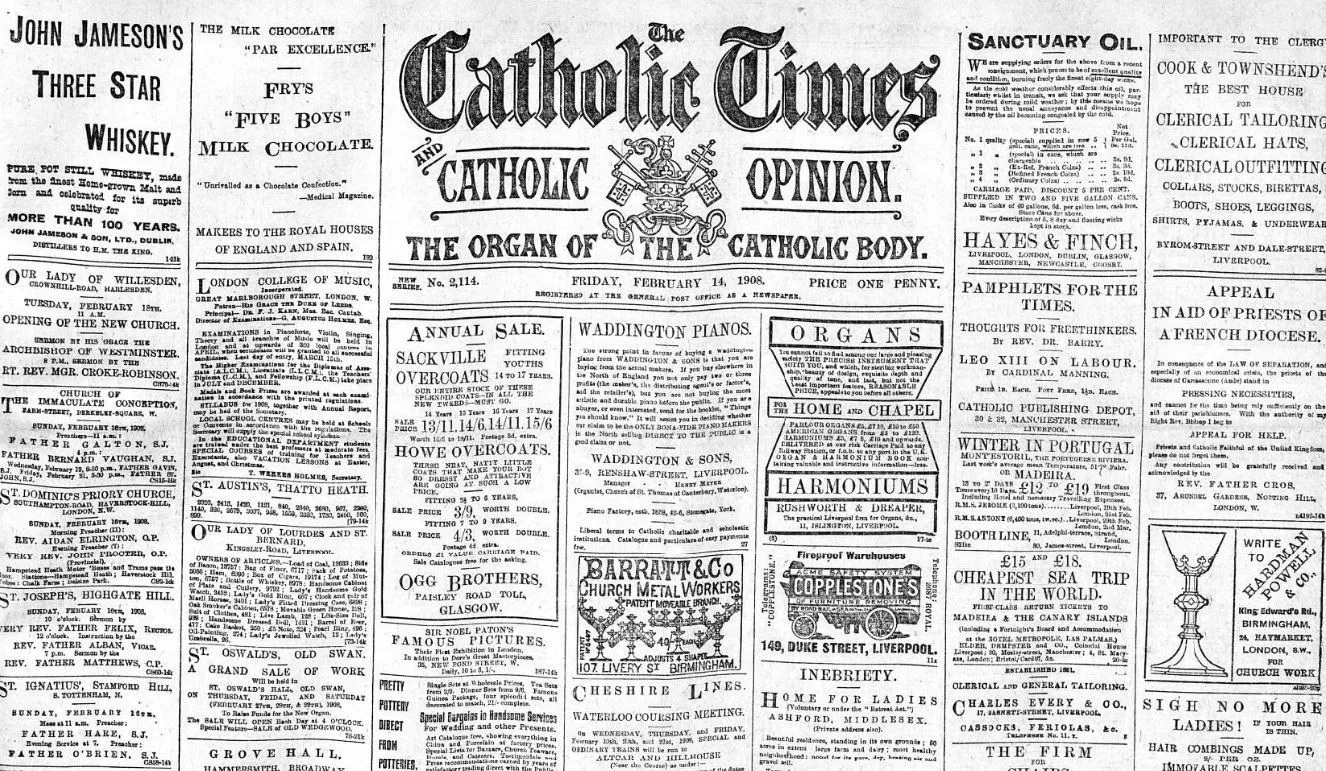
We cross the Irish Sea in order to introduce our next new title of the week, the ‘organ of the Catholic body’ in the United Kingdom, the Catholic Times and Opinion. Established in 1860, a decade after the Roman Catholic hierarchy was re-established in Britain, the Catholic Times and Opinion appeared every Friday at the cost one one pence, terming itself as ‘an independent journal free from all party bias, and advocating no policy save that which is best for the Catholic interests of the time being.’
Initially published in Manchester and in Liverpool, cities with a high Roman Catholic population thanks to influx of Irish immigrants, the Catholic Times and Opinion by the 1880s garnered a high circulation of 50,000 copies a week. By the early twentieth century, the publication filled twelve pages, featuring news from the Roman Catholic dioceses across Britain, from the likes of the dioceses of Westminster, Newcastle and Salford.
A thorough and interesting read, the Catholic Times and Opinion printed articles relating to the Roman Catholic faith, as well as looking at general religious items, publishing pieces entitled ‘What The Nonconformist Wants’ to ‘Protestantism in France.’ The newspaper also took a look at international issues, from ‘The Congo Question’ to the ‘Oppression of the Poles.’ Meanwhile, the Catholic Times and Opinion strayed away from religious matters by reporting on ‘Sports & Pastimes,’ but religion was never far from its agenda, with its ‘Library Table’ featuring reviews of books on Roman Catholic themes.
Indeed, the Catholic Times and Opinion ran into the twenty-first century, and it was merged with The Universe on 1 May 2020.
We’re off to Rugeley in Staffordshire now for our next new title of the week, which is the Rugeley Post. The Rugeley Post was founded in 1980 as the local sub-edition of the Lichfield Post, and it was delivered to homes in and around the market town of Rugeley, on the north-eastern edge of Cannock Chase, as well as to the villages of Colton, Longdon, and Armitage. It ceased publication in 2009.
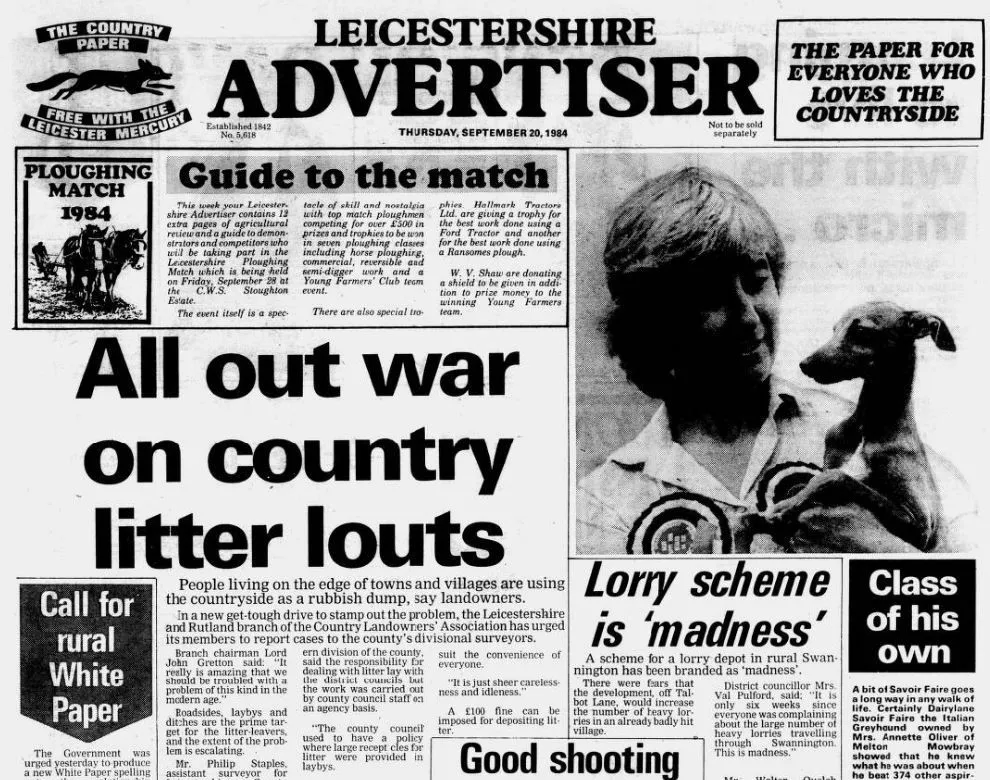
From Staffordshire to Leicestershire, and we’re delighted to welcome the Leicester Advertiser to our collection. Established in 1842, the Leicester Advertiser began life as Payne’s Leicester and Midland Counties Advertiser, and Commercial Agricultural Report. The Payne in question was one Benjamin Payne, whose son James took control of the newspaper in 1844 alongside Thomas Freer. According to Derek Fraser in his look at the history of the press in Leicester, the title was initially a Tory organ, achieving ‘a high circulation of between seventeen hundred and two thousand copies per week, a reward more for its extensive advertisements and low price, than evidence of support for its political opinions.’
In 1851 the title was renamed the Leicester Advertiser, appearing every Saturday through Leicester and the district. The newspaper was still going over one hundred years later in the 1980s, having switched to a Thursday publication schedule, describing itself as ‘The Paper For Everyone Who Loves The Countryside.’ In 1983 it became the Leicestershire Advertiser.
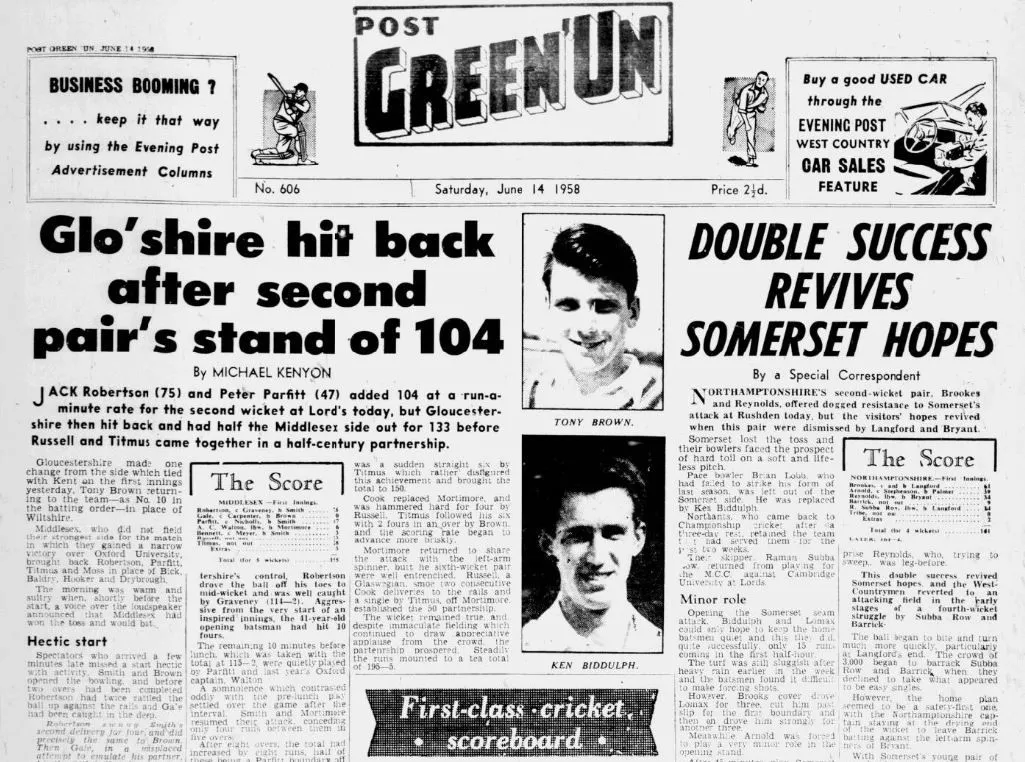
Our next stop is Bristol, and we’re delighted to welcome two brand new titles from this city to our Archive, both of which formed part of the Bristol Evening Post. First up is a specialist sporting number, namely the Post Green’un (Bristol). All across the country you could find ‘Green’uns’ and ‘Pink’uns,’ which were special Saturday sporting editions of the big regional titles. Selling thousands of copies every week, there were once two such sporting publications in Bristol, the Post Green’un, which filled twelve pages and cost two and a half pence, and the Pink’un, which was produced by Bristol Evening World until it was taken over by the Bristol Evening Post in the 1960s. The Post Green’un (Bristol) ceased publication in 2006.
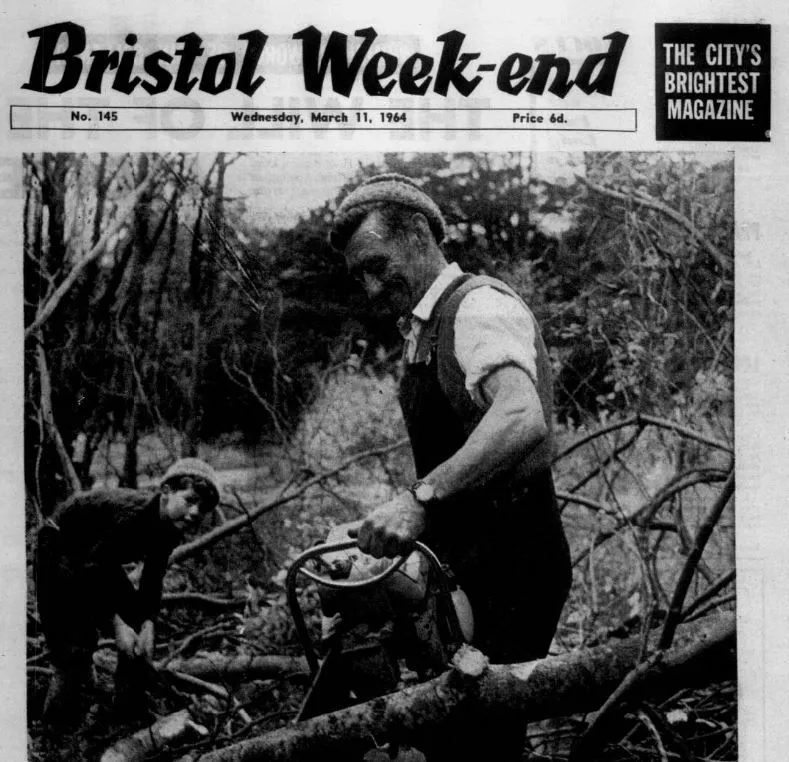
Another subsidiary of the Bristol Evening Post was the Bristol Week-End, but don’t be fooled by the title of this publication. Indeed, the Bristol Week-End did not appear at the weekend, but on a Wednesday. Published in the early 1960s, the Bristol Week-End was published in anticipation of the weekend, detailing upcoming events in the city, as well as publishing ‘thrilling week-end features.’
At the cost of four pence, the Bristol Week-End was much more like a magazine, printing ‘brilliant pictures’ with the cry of ‘have colour in your life.’ Such photographs included ‘appealing animal studies’ taken by Ralph Hudd at Bristol Dogs’ Home, and pictures of Bristol buildings. Meanwhile, there was Barbara, who made, ‘in her inimitable way…the women’s pages something that every woman – and man – will really enjoy.’
Our final new title of the week hails from Surrey, and it is the Chertsey & Addlestone Leader. Published in the town of Chertsey, which lies on the River Thames, the Chertsey & Addlestone Leader appeared every Thursday, and covered the news from Walton, Weybridge, Hersham, Esher, Cobham, Chertsey, Addlestone, New Haw, Byfleet, and Ottershaw. It contained special features on pets, as well as guides to events in the local area. A free newspaper, it was delivered to over 40,000 homes in the Chertsey area.
That’s it from our twelve new titles of the week, but the excitement is not yet over. We’ve updated 74 of our existing titles, with highlights including the nearly 90,000 brand new pages we’ve added to the Chester Chronicle, whilst we’ve added over 72,000 brand new pages to Cheshire’s Alderley & Wilmslow Advertiser, and nearly 60,000 brand new pages to the Bristol Evening Post.
We’ve not neglected our Welsh titles either, with new pages joining Denbigh’s Vale Advertiser, as well as the North Wales Weekly News. New for Northern Ireland are the new years that join the Ulster Echo, whilst new pages join Dublin’s Irish Independent. Finally, we’ve also added over 24,000 pages to important Glasgow tabloid the Daily Record.
Telephones in Natal
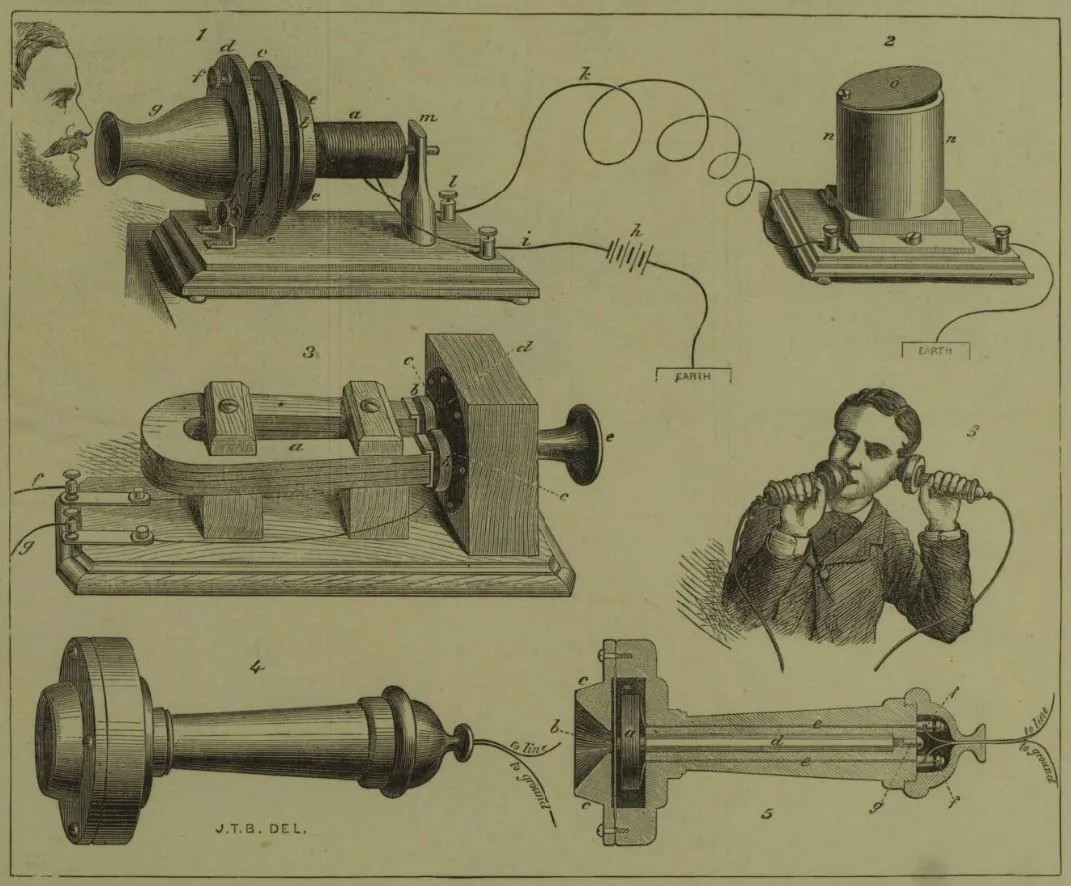
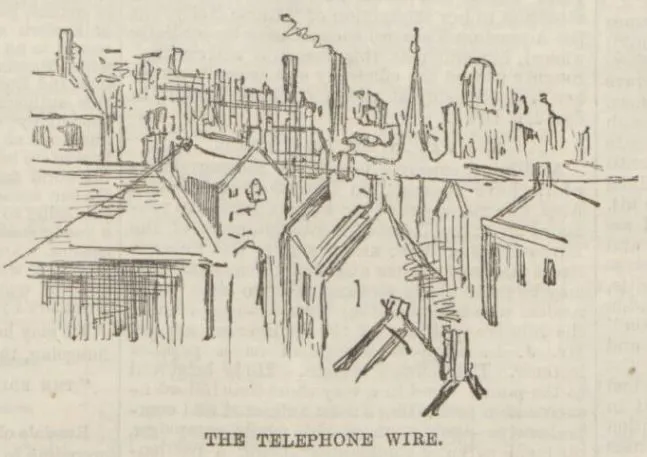
In the late 1870s, a new type of technology was taking the world by storm – the telephone, Scottish inventor Alexander Graham Bell having gained the American patent in 1876 for the first practical telephone. And by 1878 the first telephone had arrived in the Colony of Natal, in what is now South Africa.
In February 1878 the Natal Mercury reported how a town council in the diamond fields of Natal had decided ‘that telephone communication should be established between Kimberley and Du Toit’s Pan.’ Indeed, this was not long after ‘the announcement that we could converse audibly with each other, although hundreds of miles apart, by means of so many miles of wire, with a little electro magnet at each end,’ a wonderous thing which was reported on by the same newspaper just a month later.
And by April 1878 the Natal Mercury was reporting that a telephone had been set up in the diamond fields, the newspaper relating how:
The first magnetic telephone on Professor Bell’s principal, erected in Griqualand West, is now in full working order at the west end, from the house of Mr. R.D. Atkins to that of Messrs. Reid & Johnston (a distance of about 200 yards), the wires having been erected on poles similar to the electric telegraph. The telephone was made entirely by Mr. Atkins, and is a perfect success, the lightest whisper being audible, with astonishing clearness, at either end.
This new technology was swiftly being adopted in Natal, with great success.
And seven months after the intent was stated to connect Kimberley and Du Toit’s Pan (now known as Dutoitspan), the Natal Mercury reported how ‘the telephone has been successfully established between Kimberley and Dutoitspan.’
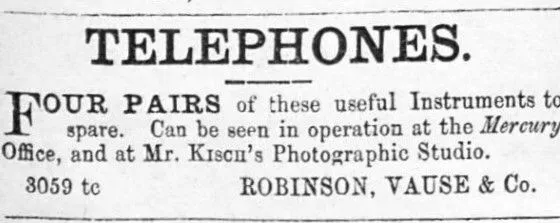
Indeed, by the end of the year, the telephone could be said to be a familiar feature in the Colony of Natal, with the Natal Mercury containing advertisements like the following:
FOUR PAIRS of these useful Instruments to spare. Can be seen in operation at the Mercury office, and at Mr. Kisch’s Photograph Studio.
What more can you discover about the history of the adoption of the telephone, and indeed, the history of Natal? Start your research journey with us today.
New Titles
Title | Years Added |
1963-1964 | |
1908 | |
1997 | |
1934 | |
1984-1985 | |
1928 | |
1878 | |
1878 | |
1958-1959 | |
1922, 1924, 1928, 1931, 1944, 1953 | |
1996-1997 | |
1940 |
Updated Titles
This week we have updated 74 of our existing titles.
You can learn more about each of the titles we add to every week by clicking on their names. On each paper’s title page, you can read a FREE sample issue, learn more about our current holdings, and our plans for digitisation.
Title | Years Added |
1914 | |
1897, 1925-1937, 1939-1944, 1947, 1949-1955, 1957, 1959-1972, 1974-1977 | |
1954 | |
1961 | |
1997 | |
1996 | |
1913, 1920, 1929, 1933 | |
1914 | |
1998 | |
1964-1965, 1971-1972, 1974, 1981 | |
1943 | |
1996 | |
1970-1972 | |
1998 | |
1994 | |
1995 | |
1997 | |
1822-1824, 1880, 1883, 1885, 1887, 1890-1892, 1894-1896, 1899, 1906, 1910, 1922, 1931-1932, 1934, 1938, 1947, 1953, 1956, 1964-1972, 1975-1985 | |
1999 | |
1997 | |
1995, 1997-1998 | |
1908, 1911 | |
1938-1939, 1947-1950, 1953-1954, 1960, 1962-1965 | |
1907, 1950 | |
1984, 1988 | |
1997 | |
1995 | |
1919, 1927, 1929-1930, 1935 | |
1934 | |
1994 | |
1967-1970 | |
1873-1875 | |
1974 | |
1941 | |
1991 | |
1875 | |
1930, 1932-1933, 1935-1937 | |
1984-1985 | |
1927 | |
1916, 1919-1924, 1926, 1930, 1932, 1934-1935, 1938, 1940-1942, 1944, 1946-1948, 1950 | |
1963 | |
1992, 1995 | |
1995, 1997 | |
1873-1874 | |
1889 | |
1921-1925, 1928-1937 | |
1998-1999 | |
1996, 1998 | |
1958, 1960, 1962 | |
1977, 1998 | |
1959-1960, 1973 | |
1984-1985 | |
1994 | |
1996 | |
1997 | |
1997 | |
1940-1941, 1944-1947, 1949-1950, 1952, 1955-1957, 1960-1963, 1966, 1968-1970, 1972-1975, 1977-1981, 1983-1984 | |
1951, 1953-1954, 1957-1958, 1960, 1963-1964, 1973, 1976-1979, 1981, 1985-1988 | |
1998 | |
1994, 1997 | |
1998 | |
1994-1995 | |
1997 | |
1997 | |
1891 | |
1996 | |
1998 | |
1994 | |
1996-1997 | |
1876 | |
1996-1997 | |
1994 | |
1996 | |
1997 |
You can keep up to date with all the latest additions by visiting the recently added page. You can even look ahead to see what we’re going to add tomorrow.
More on this topic:
Share this article
About the author

Rose Staveley-Wadham
Newspaper Licensing Manager
Published on Mon, 28 November 2022.