
Hot Off The Press – New Titles This Week
Published on 15 November 2021 by Rose Staveley-Wadham
This week at The Archive we are celebrating reaching another incredible milestone – we have now reached 46 million pages in our collection, all now available to search. Meanwhile, we have added 181,690 brand new pages over the last seven days, with the addition of eight brand new titles, from London, Peterborough and Beckenham, whilst we have also updated an amazing 85 of our existing titles.
So read on to discover more about all our new titles of the week, which include an historic law and bankruptcy title, as well as to discover which of our 85 titles we have added new pages to. Also, we explore more about the 1914 German naval raid on Great Yarmouth, told through the eyes of a Beckenham Gunner.
Register now and explore the Archive
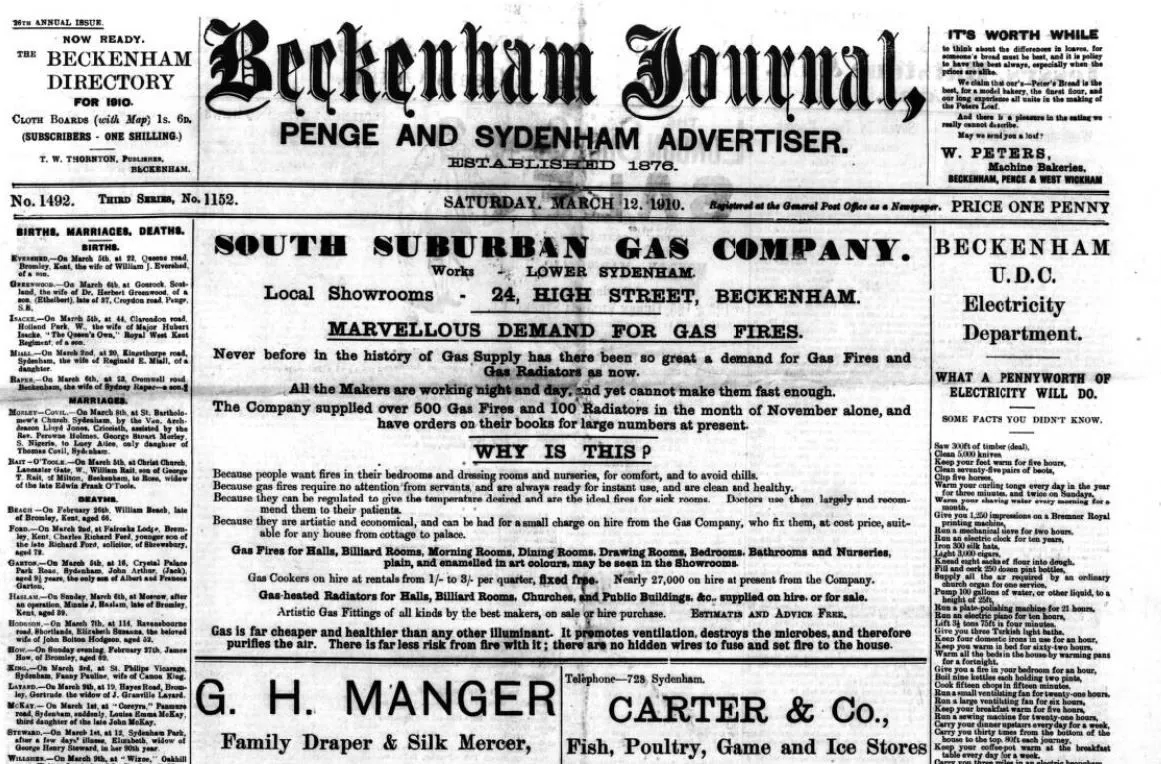
We begin our exploration of our new titles of the week with the Beckenham Journal, which was established in 1876. Historically a part of Kent, and now a part of Greater London, Beckenham was a small village until the railway came to the area. And when the Beckenham Journal was first established, it was a monthly newspaper which spanned 24 pages. This was until T.W. Thornton became the proprietor of the title, and the Beckenham Journal then became weekly, appearing every Saturday at the cost of one penny.
Circulating in ‘Beckenham, Penge, Sydenham, Shortlands, Bromley and West Wickham,’ the Beckenham Journal was neutral in its politics, and was published from 3-4 High Street, Beckenham. With its full name of the Beckenham Journal, Penge and Sydenham Advertiser, by the 1880s it was calling itself the ‘oldest and best local paper,’ with ‘extensive’ circulation ‘in the best class suburbs of the South of London.’
With local issues at the forefront of this publication, the Beckenham Journal meanwhile was proud to make ‘a special feature of Seaside and Country Advertisements,’ calling for adverts for the best seaside and countryside accommodation.
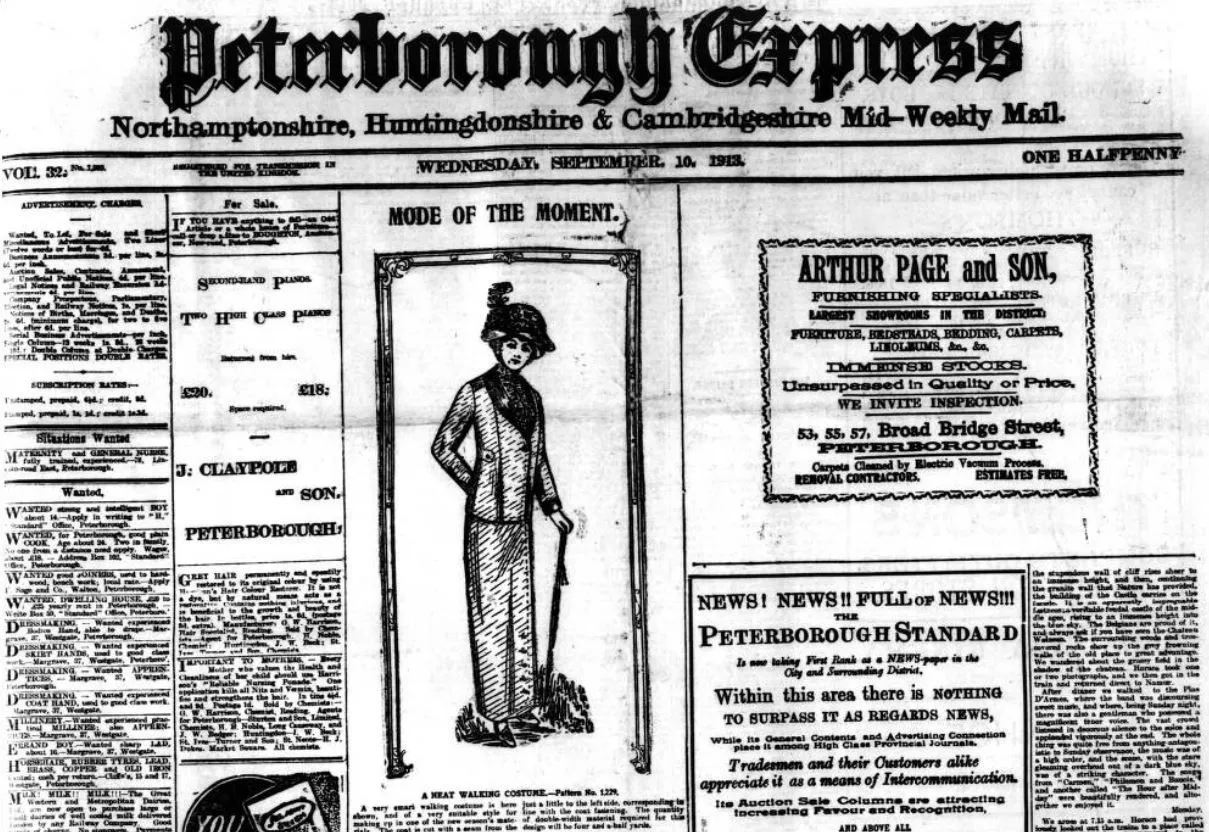
Our next new title of the week was also neutral in its politics, and is the Peterborough Express. First published in 1881, the Peterborough Express described itself as a ‘Mid-Weekly, Local, County and Family Newspaper.’ Published every Wednesday evening, it spanned 48 columns and cost one penny.
Containing ‘full reports of [the] latest local and district events,’ the Peterborough Express also prided itself on featuring ‘more late news than any other local paper,’ as it was informed by the ‘latest news by telegram.’ Meanwhile, the newspaper described itself as a ‘well-conducted Independent Journal,’ with a ‘substantial local and district circulation, extending over the six Counties of Northampton, Huntingdon, Cambridge, Lincoln, Rutland and Leicestershire.’ The Peterborough Express also claimed to be the only ‘penny Mid-Weekly Paper published’ in those six counties, being produced by F.T. Williamson from Long Causeway, Peterborough.
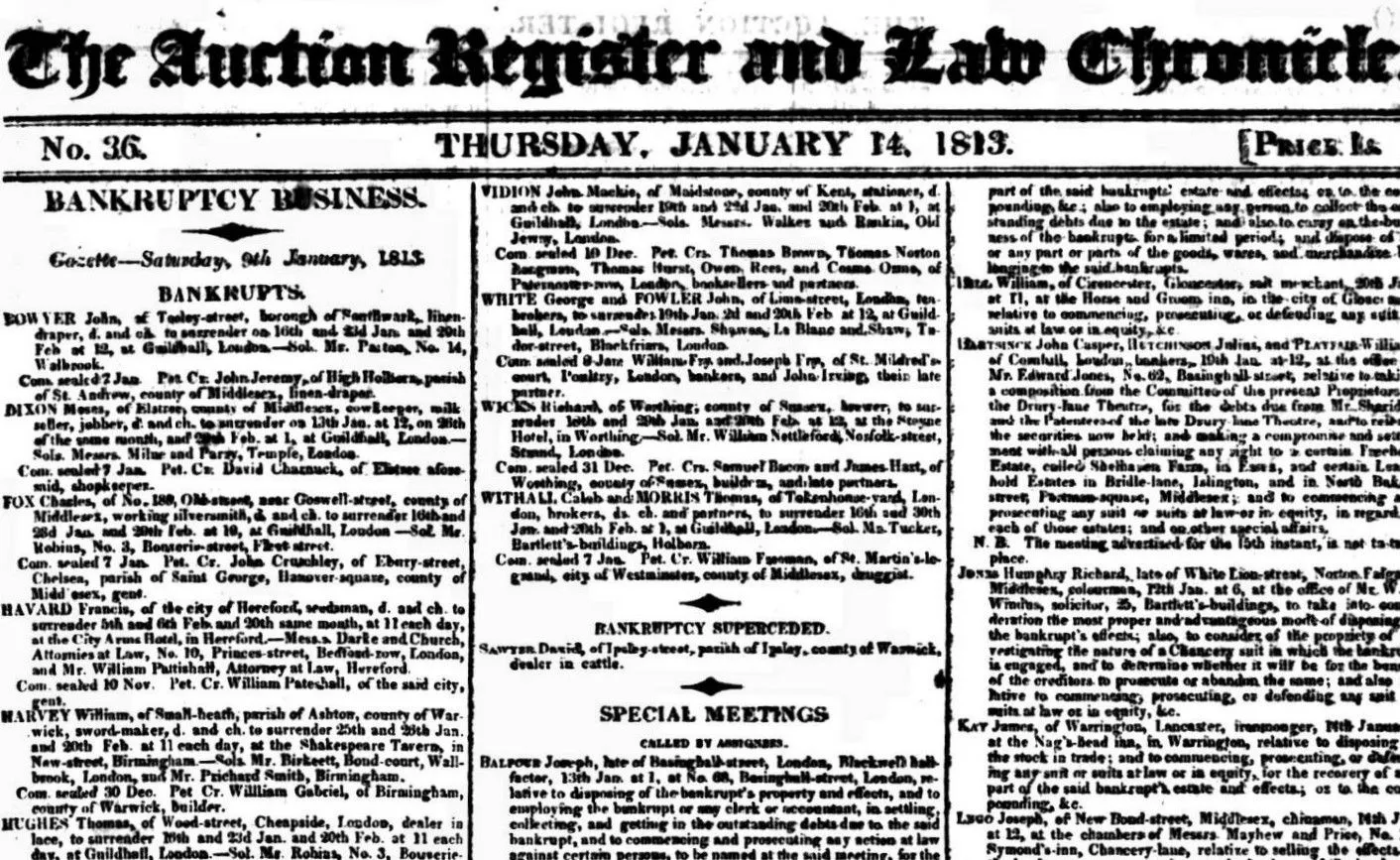
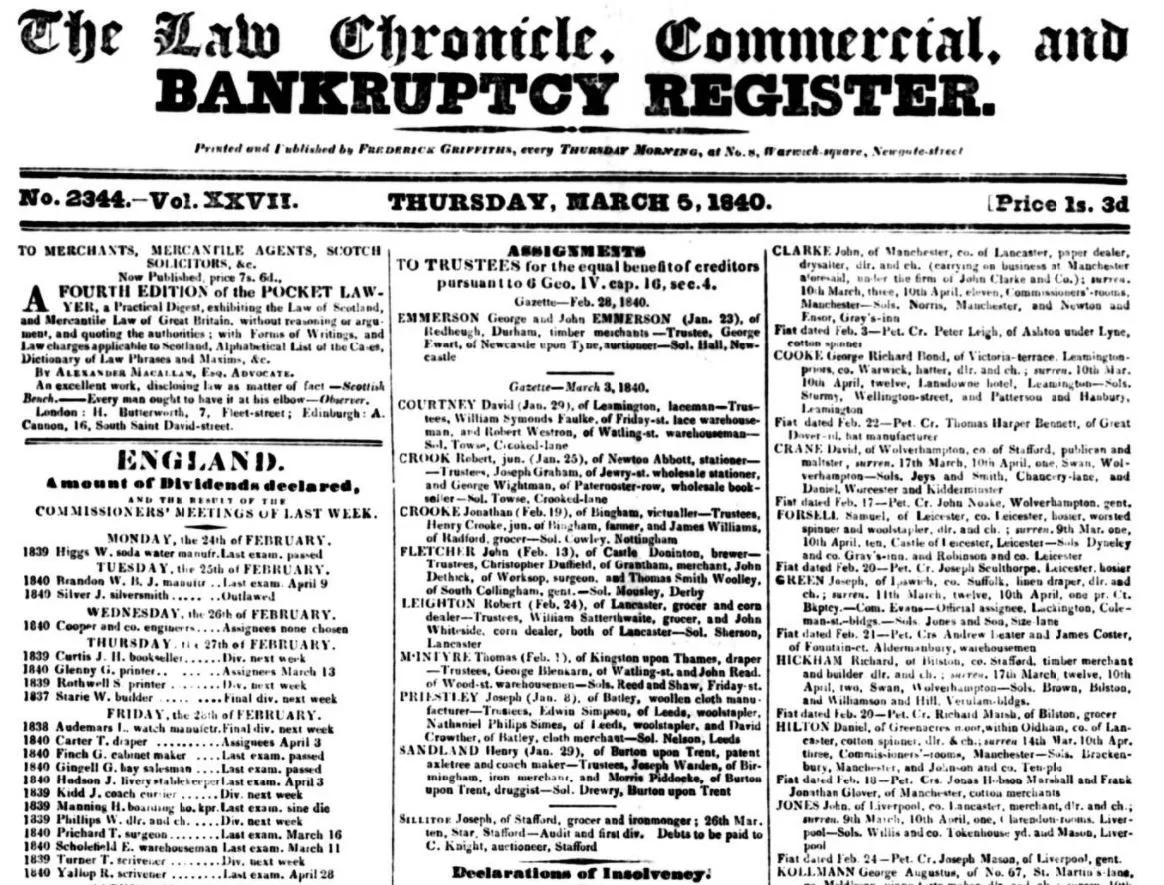
Our next new title of the week is both a specialist and historic one, being the Law Chronicle, Commercial and Bankruptcy Register. Likely established in 1811, its first edition appeared in 1812, whilst its first extant issue is dated 7 January 1813. Originally known as the Auction Register and Law Chronicle, and costing one shilling, only a few years after its debut the publication became known as the Law Chronicle and Estate Advertiser, before finally changing its name in 1820 to the Law Chronicle, Commercial and Bankruptcy Register, raising its price to 1s 6d per issue.
The weekly journal’s purpose was to provide ‘accurate, authentic and copious lists of bankrupts, dividends &c., and reports bearing on such matters,’ whilst also providing information on law reports and acts of Parliament. By 1821, the Law Chronicle was published every Thursday morning, and described its mission to:
…obviate the great inconvenience experienced by persons desirous of obtaining information, relating to processes under the Commissions of Bankruptcy; to afford the Commercial World the direct means of ascertaining such particulars as might be conducive to their interests, as well as to assist the Profession in protecting the claims of their Clients, and affording facility to their practice in Bankruptcy Business.
So the Law Chronicle was like an early nineteenth century commercial watchdog, naming and shaming those who had become bankrupt, in order to protect businesses across the country. And meanwhile, the newspaper introduced a ‘New and Important Feature’ in 1821, namely an ‘Alphabetical List of every Person claiming to be discharged by the Court for the Relief of Insolvent Debtors, in all parts of the Kingdom.’
The newspaper also contained a ‘Bankruptcy Register,’ which detailed ‘the Name of every Bankrupt,’ an ‘Insolvency Register,’ which contained ‘the Name, Description and Places of Abode of every Person, applying to be discharged under the Insolvent Act, alphabetically arranged,’ and a ‘Commercial Register,’ which consisted of a:
Correct Account of the Prices of the British and Foreign Funds; the Course of the Exchange; the Prices of Canal and Dock Shares; and also of other Public Institutions, and Premiums of Insurance at Lloyd’s.
Nothing if not thorough, the Law Chronicle also looked at all acts of Parliament ‘passed of any Public Importance,’ across its eight pages. Still running by 1846, the newspaper cost 1s 6d, before it finally closed in 1847.
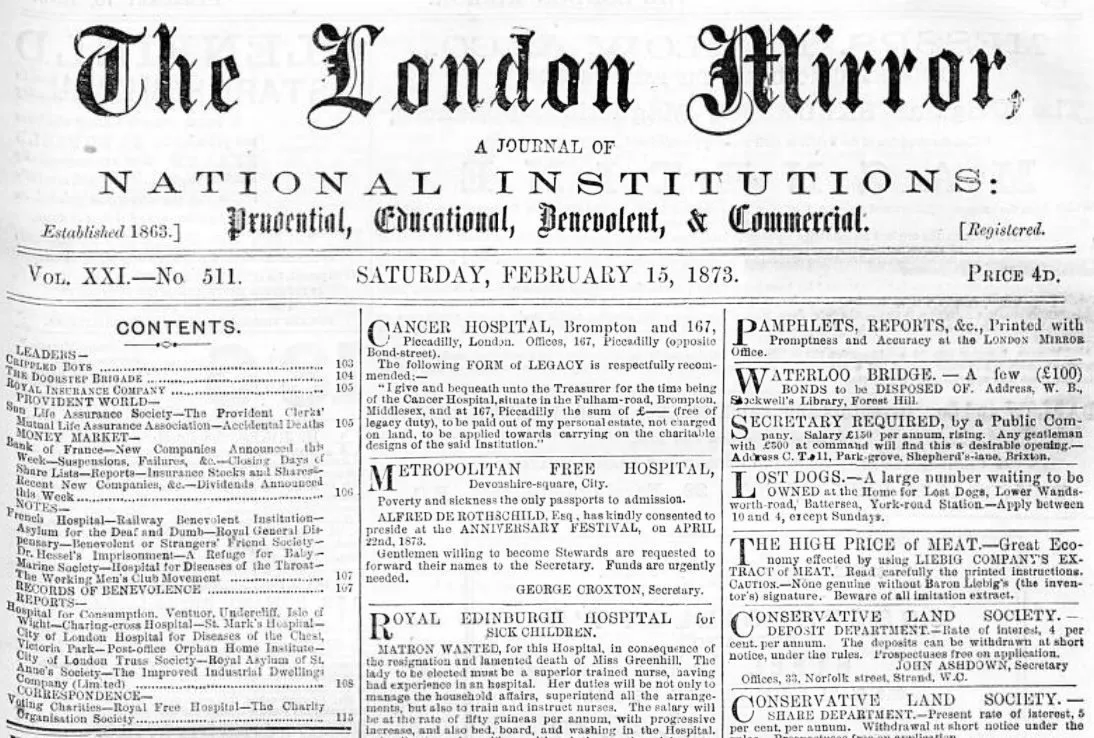
Our next five new titles of the week have all been digitised as part of the British Library’s Heritage Made Digital programme, which you can read more about here. First of our five new Heritage Made Digital titles is the London Mirror. First published in 1863, and appearing every Saturday at the cost of five pence, the London Mirror was a ‘Journal of National Institutions,’ being a ‘Weekly Record of all matters connected with the Religious, Educational, Benevolent, and Prudential Institutions of the United Kingdom.’
Therefore, the content of the London Mirror could not ‘fail to possess much interest and value to all associated with these great National Establishments, whether as Patrons, Contributors, Subscribers, Managers or Officers,’ who were ‘desirous of obtaining the earliest, fullest, and most correct and reliable information with respect to the current history and condition of these interests.’
Meanwhile, the London Mirror provided ‘full, and in many cases verbatim, reports, by specialist reporters…of the various meetings, gatherings, and anniversaries’ of the institutions it covered. And the London Mirror covered a wide range of charitable and prudential associations, from the Milliners’ and Dressmakers’ Provident Benevolent Institution to the Clergy Orphan Association, from the British Lying-in Hospital to the Merchants’ Marine Insurance Company, from the Association for Promoting the General Welfare of the Blind to the Legal and General Life Assurance company.
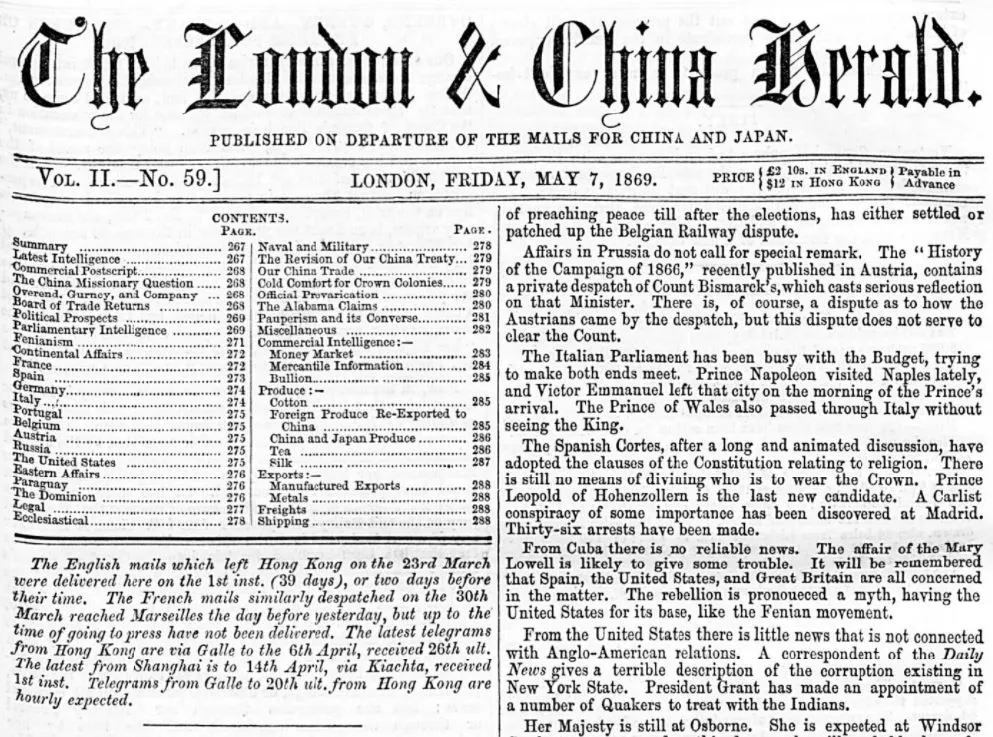
From London to China now, and our next new title of the week, the London & China Herald. Established by the ‘Proprietor of a leading China Paper,’ the London & China Herald aimed to provide ‘unbiased intelligence, so collated as to make [it] instantly appreciable to every merchant, soldier, and civilian now stationed in the eastern seas.’ First published on 10 October 1867 from 30 Cornhill, and mailed via Marseilles at the yearly cost of £2 10s, the London & China Herald had a particular focus on trade.
It featured ‘Quotations for British Manufacturers to China and Japan,’ as well as looking at an array of ‘Commercial Intelligence,’ reporting the latest on the tea, silk, cotton and money markets. The London & China Herald also contained details of those ‘Vessels Loading for China and Japan,’ a shipping index, and a look at European news, for example featuring articles on the unification of Germany.
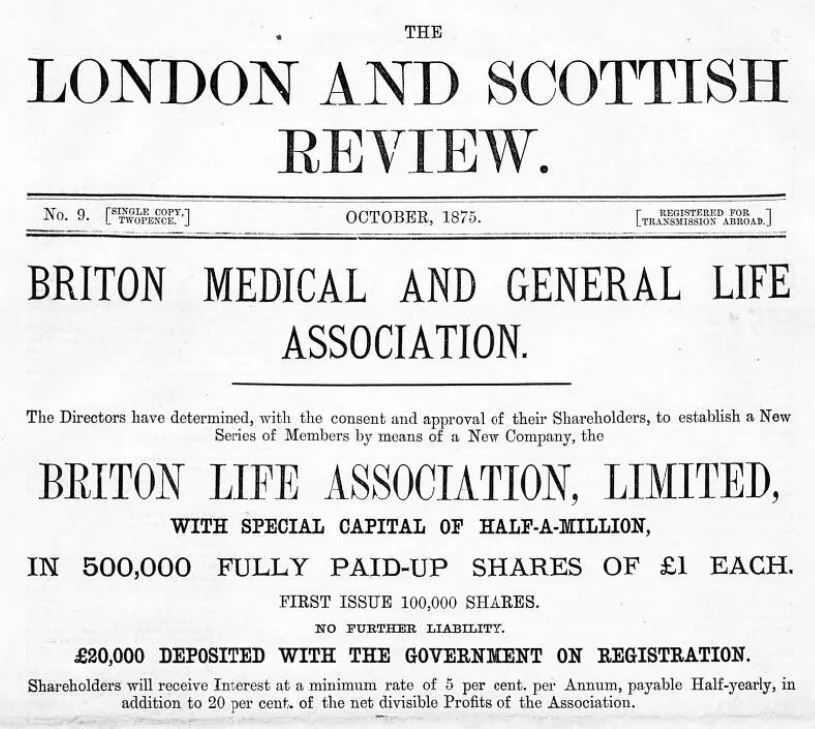
Our next new title of the week was called at the time a ‘very excellent little publication,’ and is the London and Scottish Review. Appearing every month from Cockspur Street at the cost of 3 pence, the London and Scottish Review first appeared in February 1875 with a quote from Robert Burns: ‘A Scot still – I crave no higher name.’
However, despite its name, and its allegiance to Burns, the London and Scottish Review announced itself as a ‘London Paper, conducted on cosmopolitan principles.’ But it would give ‘more prominence to Scottish news than is usually accorded by London newspapers,’ offering a ‘discussion of Social and Literary Questions without reference to nationality, or politics, or sectarian opinions.’
To this end, therefore, the London and Scottish Review concentrated on the realms of fine art, drama, music and literature, as well as incorporating articles on finance, ‘new enterprises,’ and social concerns. This publication features an array of eclectic articles, from pieces on ‘Electioneering on the Cheap’ to ‘Drawbacks: Scottish Proverbs and their Application,’ from ‘Laying the Foundation Stone on the Potsdam Waterworks,’ to ‘The Shaftsbury Estate and Teetotalism,’ as well as showcasing original poetry.
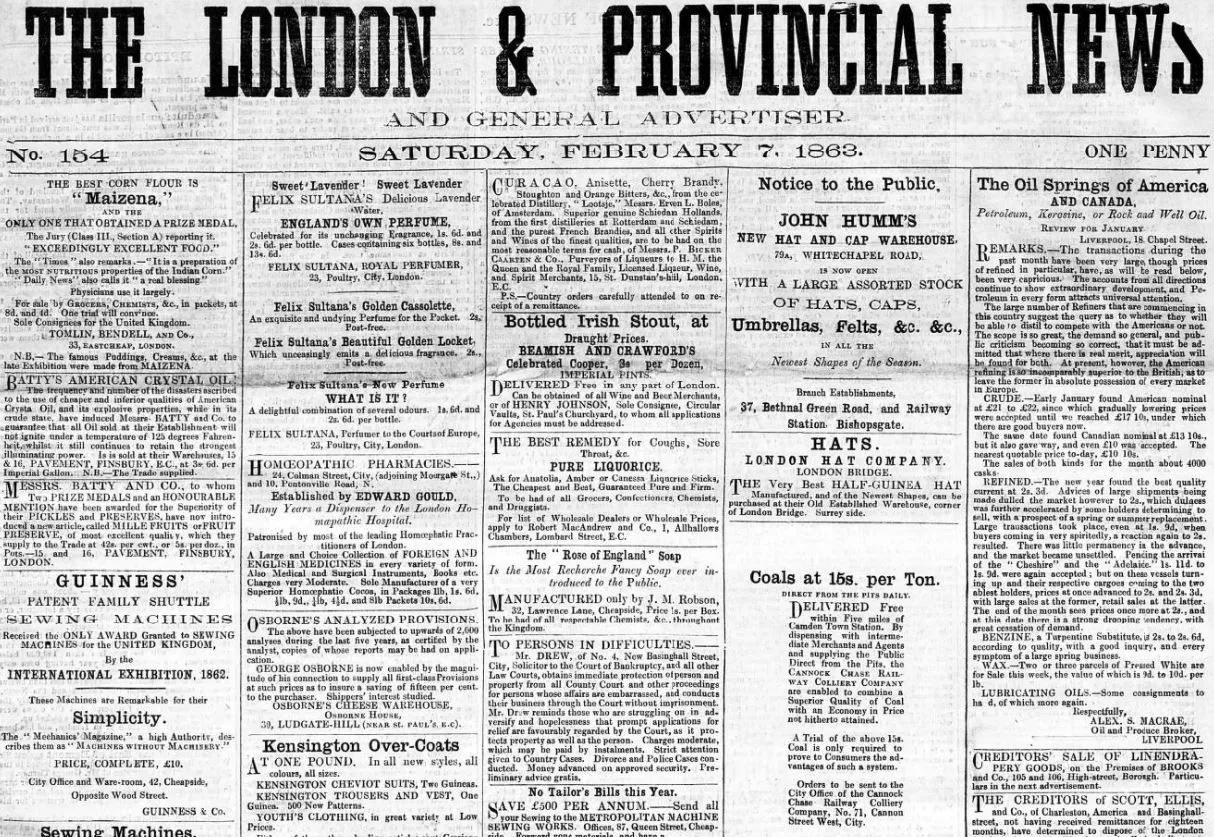
Our penultimate new title of the week is the London & Provincial News and General Advertiser, which was intended for ‘London and Country Circulation.’ Published from Marshall Street, just off Regent Street, the London & Provincial News was one of a few sister papers, which included the West London Times, the Chelsea & Pimlico Advertiser and the Paddington Advertiser.
These papers were described as representing ‘unequalled advertising mediums,’ which circulated ‘throughout the whole of London and the Suburbs,’ and contained ‘all the news of the week, both at home and abroad,’ being ‘in every respect Family Newspapers.’ Consisting of eight pages, with ‘forty columns of General and Local News,’ the London & Provincial News and its sister papers were ‘read by all classes of the community,’ at the cheap cost of one penny per edition.
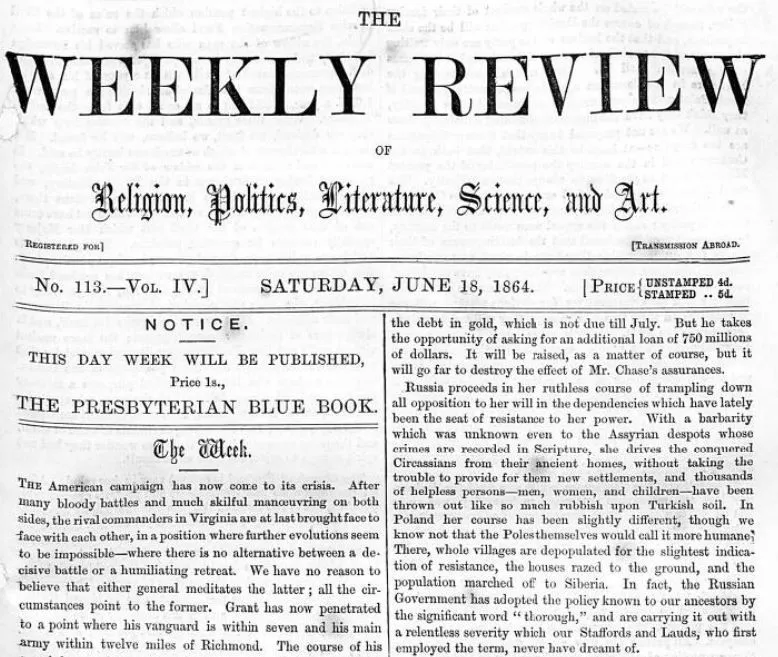
Our final new title of the week is the Weekly Review (London). Dubbing itself a ‘Weekly Review of Religion, Politics, Literature, Science and Art,’ this newspaper was first published on 26 April 1862,’ setting out its aim to concentrate on ‘original articles,’ politics and literature. Filling sixteen pages, and costing four pence, the Weekly Review appeared every Saturday and was Conservative in its politics, with a particular focus, unusually for a London paper, on Presbyterianism. This was most likely behind its change of title to the London and Edinburgh Weekly Review in 1865, although it reverted to the Weekly Review the following year.
With in depth leading articles on the pressing political and religious questions of the day, the Weekly Review incorporated looks at Flemish and French art, ‘The Farm and the Garden,’ and rambling trails in the countryside. It also featured detailed reports on ‘The Churches,’ looking at news from across Britain’s different Christian denominations. The Weekly Review also featured notices of births, marriages and deaths, a ‘Monetary and Commercial Review,’ and a section devoted to ‘Family Reading.’
That’s it for all our new titles of the week – and with 85 of our existing titles updated over the past seven days it would be quite a task to summarise them all. A few highlights from this week’s updates include the over 11,000 pages we have added to the Saffron Walden Weekly News, whilst we have also added new pages to Channel Island title theJersey Evening Post. We’ve also added the year 1913 to sporting title The Referee, whilst this week you will find updates to local titles from across England, Ireland and Scotland.
‘Yarmouth Naval Fight’ – November 1914
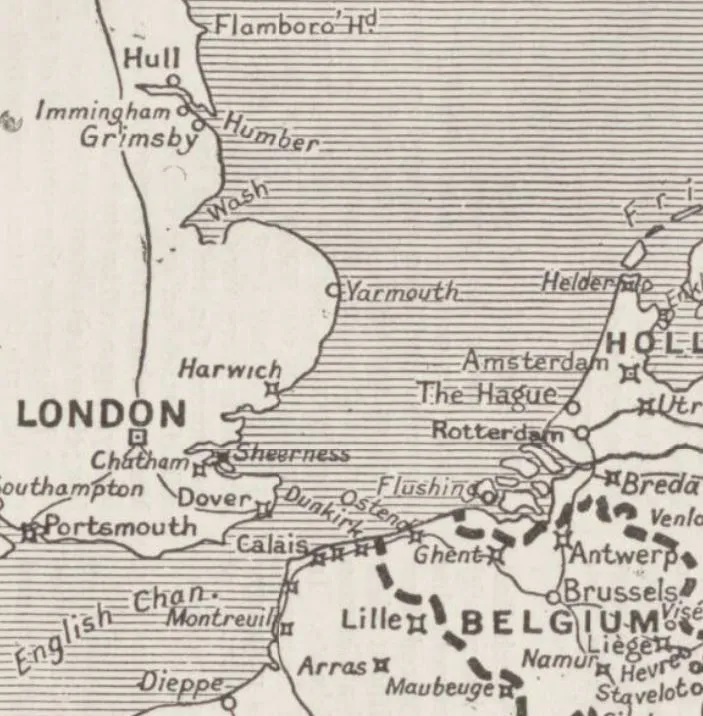
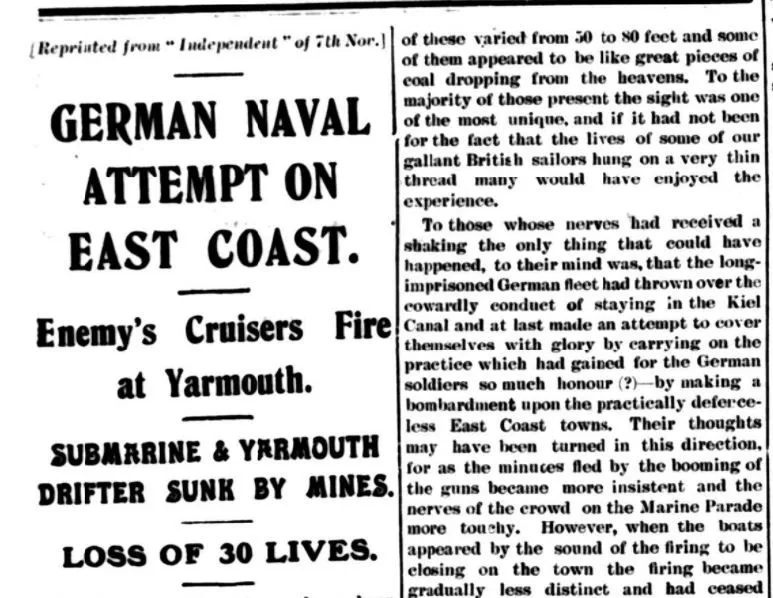
On 3 November 1914, the Norfolk seaside resort town of Great Yarmouth was subjected to a raid by the German Imperial Navy. Out of the blue, and with little strategic success on behalf of the Germans, whose mine-laying operations were interrupted by the Royal Navy, one Beckenham man, stationed at Yarmouth, provided an account of the ‘Yarmouth Naval Fight’ for his local newspaper, the Beckenham Journal, on 7 November 1914.
Gunner H. Higgs related how:
We were all on Parade about seven o’clock this morning doing drill, etc., when we were suddenly startled by the booming of guns. At first we thought that it was the Navy practising, but soon became aware that a battle was in progress, by the sounding of our assembly for everyone to fall in at once. We assembled.
He was then issued with ’50 rounds of ammunition,’ and whilst he and the other men were being formed up, they could see ‘the shells bursting and dropping on the sands on the Beach.’ Higgs thought that the German Navy were trying to hit the gasometer, ‘but their shells were dropping short,’ a theme throughout the unexpected raid.
Meanwhile:
Another lot were having a go at the Naval Air Station. But their fire was dropping on the Denes on one side of the Air Station, causing some commotion amongst the Scotch Fisher Girls who were working on the Denes. They all scattered towards the town thinking the Germans were on top of them. And it took a long time to convince them that they were not.
Higgs and his detachment were then sent to ‘guard along the coast to prevent any of the Germans landing.’ And after four hours, they were sent back to their barracks for breakfast, which the German bombardment prevented them from having, as Higgs relates:
When the firing started, our breakfast of bacon and tomatoes were just being cooked. But the people of Yarmouth were very good. They bought us tea and bread and butter, also gave us cigarettes.
Thank goodness for the ‘good people’ of Yarmouth, who found themselves amidst some ‘very fierce’ firing. But thankfully, the German shelling proved ineffectual:
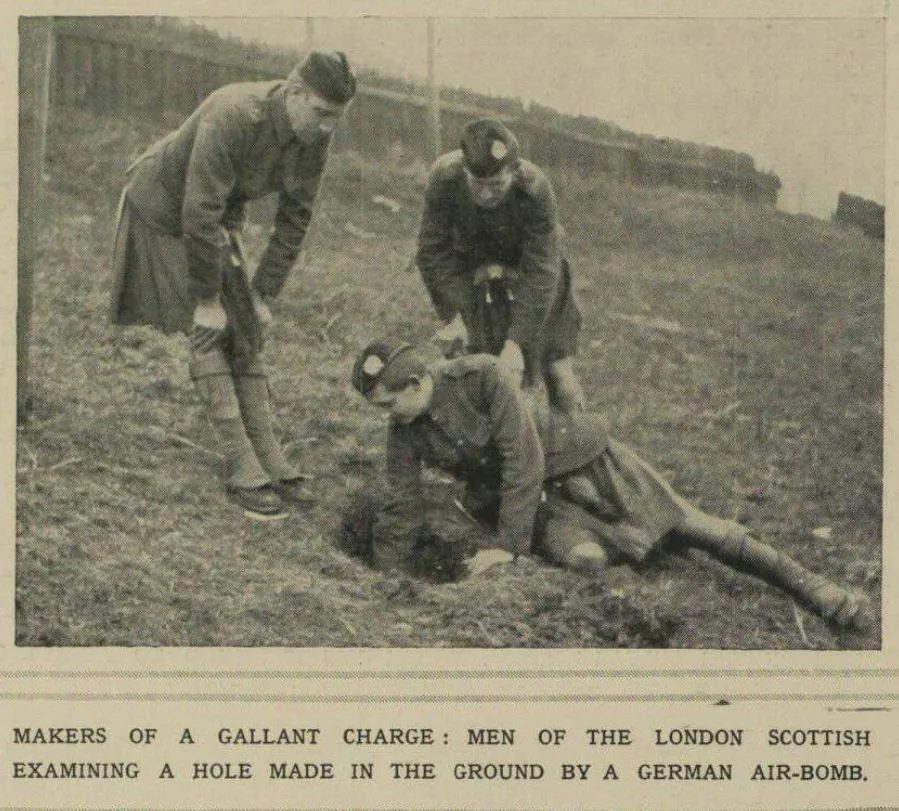
The German shells dropped on the sands in several places, and one close to the Britannia Pier. But excepting for making holes in the sand, they did no other damage.
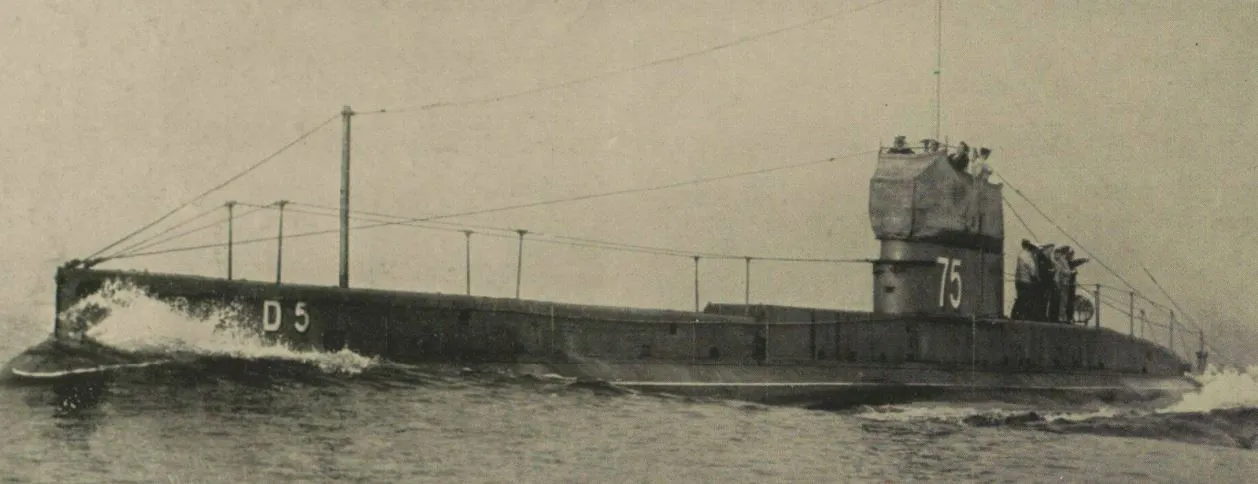
Higgs, being himself without a newspaper, professed that he did not ‘know the correct result of the battle,’ but estimated that ‘two German cruisers were sunk, and one British submarine.’ All told, it was just one German cruiser that sunk, alongside the British submarine (HMS D5), which was struck by a mine. And the result of the raid was inconclusive; on the German side 235 were killed, with 21 men lost on the British side.
All in all, the raid did not achieve much for the German war effort, and meanwhile, this account from Higgs provides a wonderfully personal narrative of the day’s events, curated for his hometown of Beckenham.
New Titles
Title | Years Added |
1890-1911, 1913-1914 | |
1813-1819, 1821-1847 | |
1867-1870 | |
1861-1863 | |
1875 | |
1872-1873, 1875-1876 | |
1884-1896, 1898-1910, 1913-1917 | |
1862, 1864-1881 |
Updated Titles
This week we have updated 85 of our existing titles.
You can learn more about each of the titles we add to every week by clicking on their names. On each paper’s title page, you can read a FREE sample issue, learn more about our current holdings, and our plans for digitisation.
Title | Years Added |
1913-1914 | |
1960 | |
1960-1961 | |
1913-1914 | |
1913-1914 | |
Barking, East Ham & Ilford Advertiser, Upton Park and Dagenham Gazette | 1913-1914 |
1913 | |
1913-1914 | |
1912-1914 | |
1960-1961 | |
1960-1961 | |
1998-1999 | |
1913-1914 | |
1913-1914 | |
1913-1914 | |
1960 | |
1913-1914 | |
1913-1914 | |
1913 | |
1913-1914 | |
1872 | |
1960-1961 | |
1913-1914 | |
1960-1961 | |
1913 | |
1913 | |
Forres Elgin and Nairn Gazette, Northern Review and Advertiser | 1913-1914 |
1848 | |
1960-1961 | |
1998-1999 | |
1913-1914 | |
1913-1914 | |
1913 | |
1910 | |
1913 | |
1913-1914 | |
1913 | |
1878 | |
1913 | |
1960 | |
1873, 1878, 1883 | |
1914 | |
1913-1914 | |
1913-1914 | |
1960 | |
1960 | |
1892-1895, 1898-1901, 1903, 1919 | |
1998-1999 | |
1912-1913 | |
1913 | |
Northern Chronicle and General Advertiser for the North of Scotland | 1914 |
1913 | |
1913 | |
1913-1914 | |
1877 | |
1913-1914 | |
1913 | |
1960 | |
1960-1961 | |
1913-1914 | |
1986-1989, 1998-1999 | |
1913-1914 | |
1876 | |
1960 | |
1913 | |
1913-1914 | |
1998-1999 | |
1920-1921, 1923-1925, 1927, 1930, 1937, 1946-1953 | |
1913-1914 | |
1913-1914 | |
1998-1999 | |
1877 | |
1959-1961 | |
1959 | |
1913 | |
1913-1914 | |
1913-1914 | |
1915-1917 | |
1913-1914 | |
1913 | |
1913-1914 | |
1913 | |
1914 | |
1913-1914 |
You can keep up to date with all the latest additions by visiting the recently added page. You can even look ahead to see what we’re going to add tomorrow.
More on this topic:
Share this article
About the author

Rose Staveley-Wadham
Newspaper Licensing Manager
Published on Mon, 15 November 2021.