Skip to content

Search the blog

Tag: ww1Tag: blitzTag: bournemouth
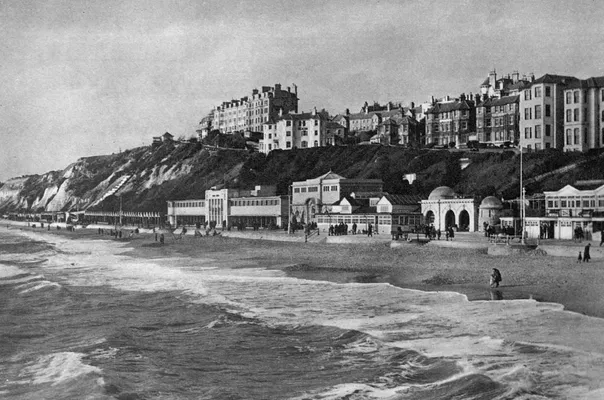
This week at The Archive we are delighted to welcome a brand new title from the sunny south coast, the Bournemouth Times and Directory, as we take a moment to remember the devastating Bournemouth Blitz. In all, over the last seven days, we’ve added 366,686 brand new pages to our collection, whilst we’ve updated 25 of our existing titles from across England, Scotland and Northern Ireland.So, from Buckingham to Burnley, from Dingwall to Driffield, from Mid Sussex to Mid Ulster, read
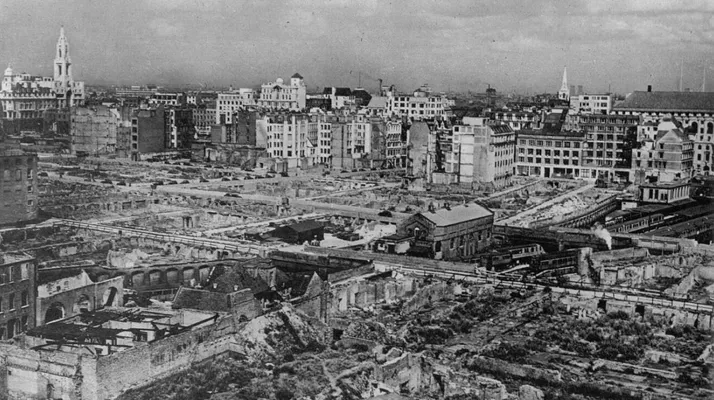
In the decade after the Second World War had come to an end, and indeed beyond, many communities across the United Kingdom were faced with very vivid reminders of the conflict: bomb sites, the country’s ‘war scars.’In this blog, we will examine how people in Britain lived alongside bomb sits in the 1950s, using newspapers taken from The Archive. We will explore how communities adapted to live beside bomb sites, and how they transformed them into gardens and playgrounds.
In March 1935 the seaside resort town of Bournemouth was shaken by a sensational murder. Retired architect Francis Mawson Rattenbury, aged 67, was found dead at his home, Villa Madeira, on Manor Road. Accused of his murder were his younger wife Alma Rattenbury, and her lover, 18-year-old gardener George Stoner.This case would end in further tragedy, and in this special blog, using pages from the British Newspaper Archive, we explore how murder came to the genteel town of Bournemouth in the
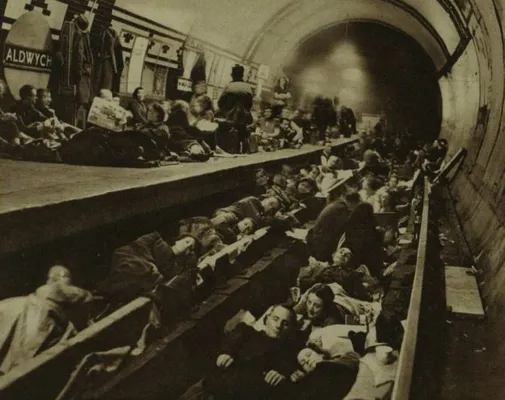
When the Blitz began on 7 September 1940, ‘It was the people of London who took command…Men, women, and children went straight to the safest place they could think of – the Underground stations.’In this special blog, over 80 years after the beginning of the Blitz, we take a look at how London’s main transport system – the Underground –  became a popular place of shelter for those seeking protection from the German bombing campaign, using an assortment of articles and photographs all to be
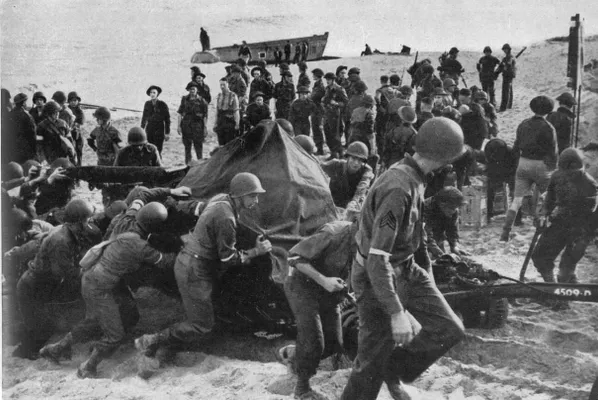
American troops
In honour of Remembrance Day, during the month of November, The British Newspaper Archive will be focusing our attention on military in the newspapers.  Coming up this month we will feature blogs about our special military titles, researching military history, women and war, and wartime rationing and fashion, as well as a guest blog about a remarkable Great War discovery from The Archive.  To begin our military month, we are delving into the newspaper headlines through the years for the
With summer well underway and a new month dawning, we take a look at the month of July with the help of The British Newspaper Archive. What events and holidays of significance took place in July? How have our newspapers covered such happenings? Join us as we explore the history and newspaper coverage of Canada Day, the Battle of the Somme, and Independence Day.Canada DayThe national holiday celebrates the anniversary of the enactment of the Constitution Act, which
Suzie Grogan used The British Newspaper Archive extensively while researching her book, Shell Shocked Britain: The First World War’s legacy for Britain’s mental health. She got in touch to show us the heart-breaking story she found about her own ancestors and some of the terrible accounts about life during World War One.**************My book is the product of two years of intensive research into the trauma of the Great War and its aftermath. But it was a chance find during
Just a month after hitting the 9.5 million page milestone, we’re very pleased to announce that there are now 10 million historic newspaper pages available at The British Newspaper Archive.The website launched with 4 million pages in November 2011, which means there’s now 150% more to explore. If you’ve not searched the collection for a while, it’s definitely time to try again.Search the newspapers –>More to search and a great-value subscriptionIt’s not just our coverage that has improved over the last few
After watching Sainsbury’s Christmas advert, Kate Cole was inspired to research the real story behind WW1’s Christmas Truce. She used The British Newspaper Archive to unearth the experiences of soldiers on the Western Front in 1914.**************In December 1914, during first year of World War One, a remarkable event known as the Christmas Day Truce occurred in small pockets along the Western Front. 100 years later, one of Britain’s largest grocery shops has released a Christmas advert re-enacting the famous truce.With the
Today’s most-popular Christmas toys include Frozen dolls and tech gadgets, but it was a very different story 100 years ago. Newspapers from the time reveal there was a clear trend for ‘British-made’ military toys in the year that Britain joined World War One. Daily Mirror – Friday 04 December 1914Image © Trinity Mirror. Image created courtesy of THE BRITISH LIBRARY BOARD.View the whole newspaper pageThe ‘Great Miniature Battle’ of 1914, with trenches and barbed wireAn advert for Gamage’s department store appeared in