
Skip to content

Search the blog

Tag: tennisTag: blitzTag: jack-the-ripper
This week at The Archive, we have added another 190,692 new pages to our total count. We welcome three new titles that take us both underground into the mining industry, and across the water to 19th century Antigua. Additionally, we have updated nineteen of our pre-existing titles, including one final year to complete the 1956-1985 run of our 100 millionth title, Dundee Courier, as well as more to special interest title, Bicycling News.So continue reading to find out more about our fascinating
This week at The Archive we are delighted to welcome a brand new title from the sunny south coast, the Bournemouth Times and Directory, as we take a moment to remember the devastating Bournemouth Blitz. In all, over the last seven days, we’ve added 366,686 brand new pages to our collection, whilst we’ve updated 25 of our existing titles from across England, Scotland and Northern Ireland.So, from Buckingham to Burnley, from Dingwall to Driffield, from Mid Sussex to Mid Ulster, read
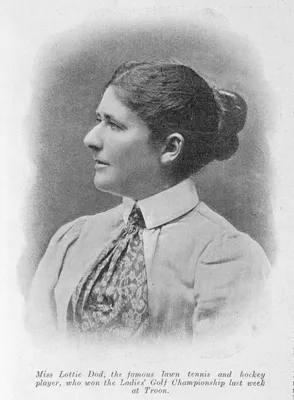
Merseyside-born, Charlotte ‘Lottie’ Dod, is the youngest ever winner of the Wimbledon Ladies Singles Championship, achieving her triumph in 1887 at the tender age of 15 years and 285 days.She won the singles title a remarkable five times in total, between the years 1887 and 1893.An article in the Sheffield Independent chronicles Lottie’s first ever Wimbledon victory in 1887.About the ladies’ singles there is little to be said – only five entered as against eight last year. Miss Lottie Dod simply “cantered” through the
This week at The Archive we are delighted to welcome one splendid brand new title to our collection – Toby – the ‘East London Watch-Dog‘ – which provides us with a fascinating insight into attitudes to the police in Whitechapel at the time of Jack the Ripper. That’s not all, over the last seven days we’ve added 89,020 brand new newspaper pages, whilst we’ve made important updates to our newspaper titles from across England, Scotland and Northern Ireland.So read on to discover more
This week at The Archive we have reached yet a another milestone, as we now have a total of over 58 million pages all now available to search, just four weeks after we brought up our last million. Meanwhile, we have added 206,866 brand new pages over the past seven days, with one brand new title, the Eastern Argus and Borough of Hackney Times, joining us, with updates to 35 of our existing titles from across England, Wales and Scotland.So read on
In the decade after the Second World War had come to an end, and indeed beyond, many communities across the United Kingdom were faced with very vivid reminders of the conflict: bomb sites, the country’s ‘war scars.’In this blog, we will examine how people in Britain lived alongside bomb sits in the 1950s, using newspapers taken from The Archive. We will explore how communities adapted to live beside bomb sites, and how they transformed them into gardens and playgrounds.
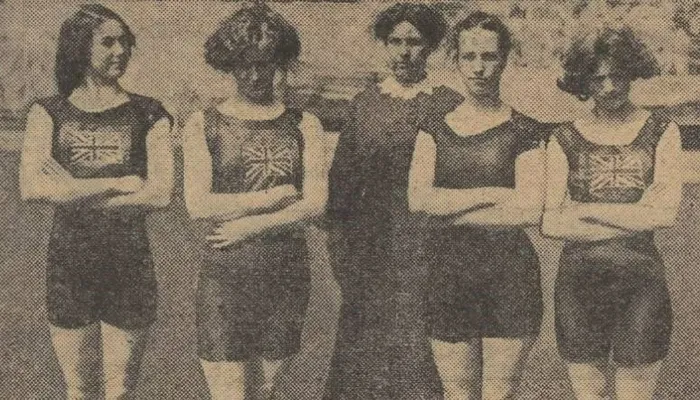
In 1900 women were allowed to compete in the modern summer Olympic Games for the very first time. The first woman to win an individual gold medal at the summer Olympic Games was British tennis player Charlotte Cooper Sterry, winner of five Wimbledon titles, on 11 July 1900 in Paris.Want to learn more? Register now and explore The ArchiveAnd so, in this special blog, we will take a look at the achievements of the likes of Charlotte Cooper Sterry, and the
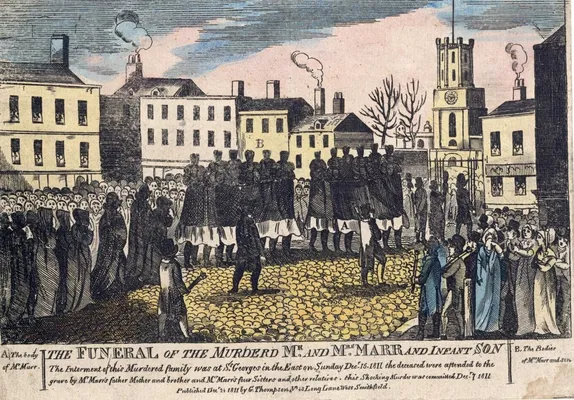
In December, 1811, all London was convulsed with terror at the tidings of the horrible slaughter wreaked at 29 Ratcliff Highway and 81 New Gravel Lane, and soon, from the Prince Regent’s table at Carlton House to the tap-room of the lowest dram-shop in Wapping, the hideous subject engrossed all.Ally Sloper’s Half Holiday, 27 August 1887These murders, now generally referred to as the Ratcliff Highway Murders, represent one of the bloodiest chapters in British crime history, and might have been the crime of
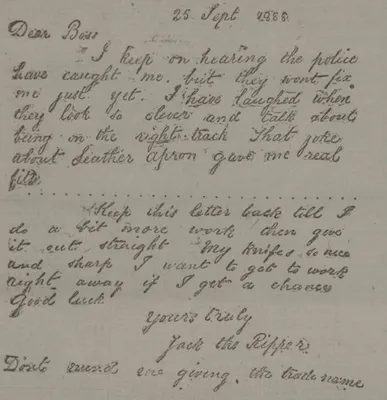
On 27 September 1888, in the midst of a series of horrific murders in Whitechapel, the Central News Office in London received a letter, signed by ‘Jack the Ripper’.Known as the ‘Dear Boss’ letter because of the way it was addressed, the letter changed the way British newspapers reported the Ripper murders.Read newspapers from 1888Facsimiles of the ‘Dear Boss’ letter in the newspapersThe name ‘Jack the Ripper’ reached the British press and general public on 3 October 1888, when Scotland Yard
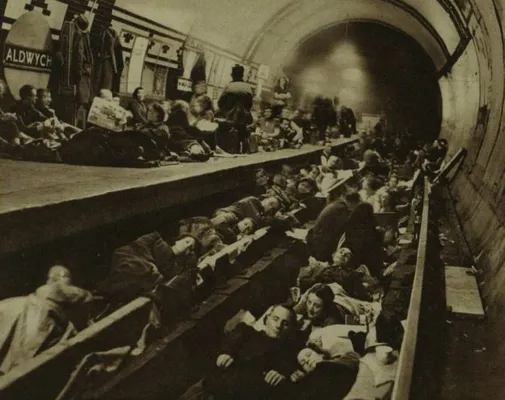
When the Blitz began on 7 September 1940, ‘It was the people of London who took command…Men, women, and children went straight to the safest place they could think of – the Underground stations.’In this special blog, over 80 years after the beginning of the Blitz, we take a look at how London’s main transport system – the Underground –  became a popular place of shelter for those seeking protection from the German bombing campaign, using an assortment of articles and photographs all to be