
Skip to content

Search the blog

Tag: recipesTag: ww1Tag: jack-the-ripper
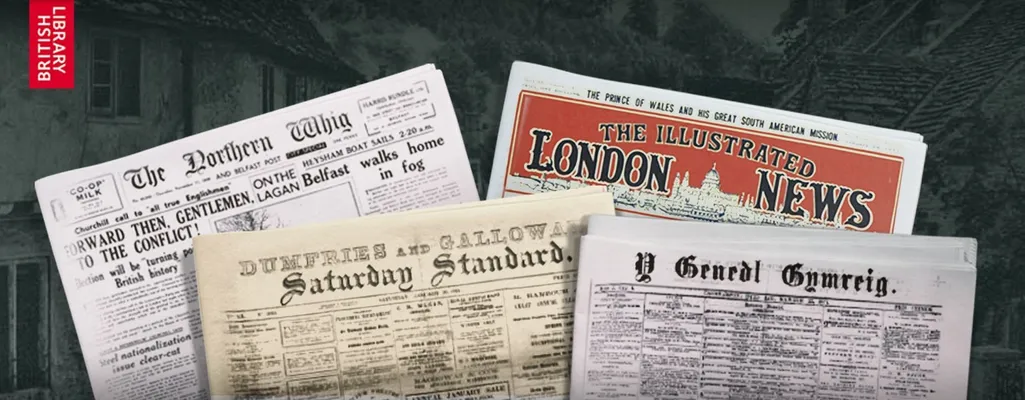
This week at The Archive, we have added another 190,692 new pages to our total count. We welcome three new titles that take us both underground into the mining industry, and across the water to 19th century Antigua. Additionally, we have updated nineteen of our pre-existing titles, including one final year to complete the 1956-1985 run of our 100 millionth title, Dundee Courier, as well as more to special interest title, Bicycling News.So continue reading to find out more about our fascinating
This week at The Archive we are delighted to welcome one splendid brand new title to our collection – Toby – the ‘East London Watch-Dog‘ – which provides us with a fascinating insight into attitudes to the police in Whitechapel at the time of Jack the Ripper. That’s not all, over the last seven days we’ve added 89,020 brand new newspaper pages, whilst we’ve made important updates to our newspaper titles from across England, Scotland and Northern Ireland.So read on to discover more
This week at The Archive we have reached yet a another milestone, as we now have a total of over 58 million pages all now available to search, just four weeks after we brought up our last million. Meanwhile, we have added 206,866 brand new pages over the past seven days, with one brand new title, the Eastern Argus and Borough of Hackney Times, joining us, with updates to 35 of our existing titles from across England, Wales and Scotland.So read on
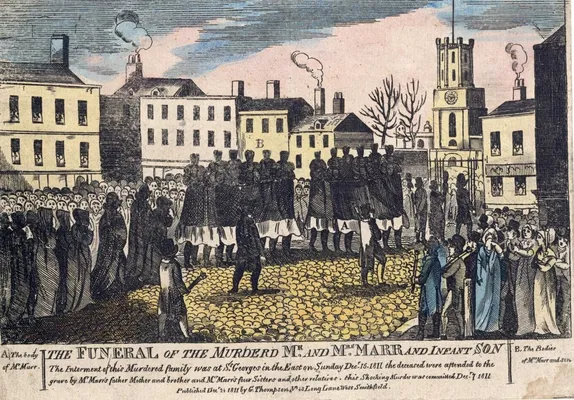
In December, 1811, all London was convulsed with terror at the tidings of the horrible slaughter wreaked at 29 Ratcliff Highway and 81 New Gravel Lane, and soon, from the Prince Regent’s table at Carlton House to the tap-room of the lowest dram-shop in Wapping, the hideous subject engrossed all.Ally Sloper’s Half Holiday, 27 August 1887These murders, now generally referred to as the Ratcliff Highway Murders, represent one of the bloodiest chapters in British crime history, and might have been the crime of
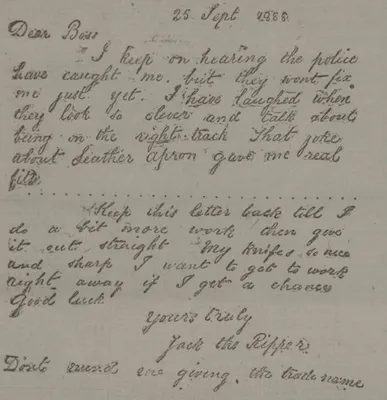
On 27 September 1888, in the midst of a series of horrific murders in Whitechapel, the Central News Office in London received a letter, signed by ‘Jack the Ripper’.Known as the ‘Dear Boss’ letter because of the way it was addressed, the letter changed the way British newspapers reported the Ripper murders.Read newspapers from 1888Facsimiles of the ‘Dear Boss’ letter in the newspapersThe name ‘Jack the Ripper’ reached the British press and general public on 3 October 1888, when Scotland Yard
Register today!It is that time of the year.  The trees have been decorated, the lights strung up around the windows, nativity scenes assembled, and stockings hung (by the chimney with care).  It also means that it is time to start planning your Christmas dinner.  For many of us, that means making travel arrangements, but for the hosts of these pivotal dinners, it means creating an efficient plan, ordering the turkey, picking the best vegetables, and food preparation.  To help
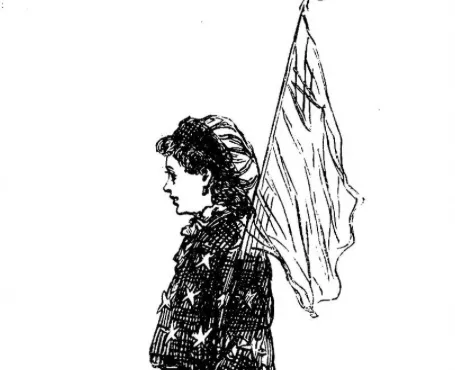
With summer well underway and a new month dawning, we take a look at the month of July with the help of The British Newspaper Archive. What events and holidays of significance took place in July? How have our newspapers covered such happenings? Join us as we explore the history and newspaper coverage of Canada Day, the Battle of the Somme, and Independence Day.Canada DayThe national holiday celebrates the anniversary of the enactment of the Constitution Act, which
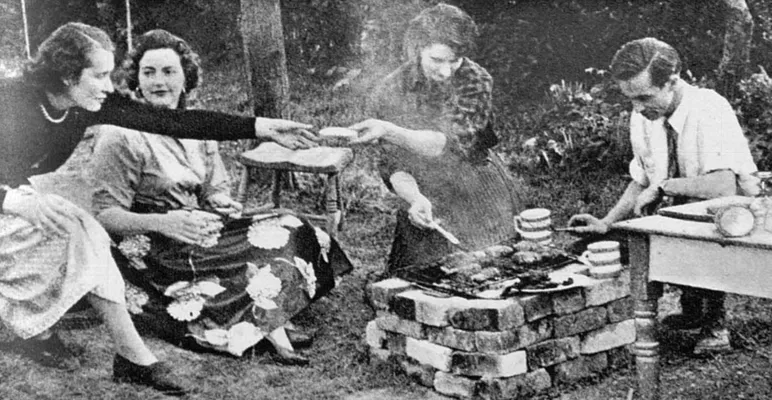
It is that time of year.  The sun is shining and we have been to the DIY store at least three times to buy new patio furniture or get new flowers.  The gardens are set and now we need to get the barbeque prepped and have friends over to enjoy the sun.  This month, in Cookery Corner, explore the British Newspaper Archive for some delicious recipes to have for your barbeque.Barbecue PartiesWe can see from the newspapers, outside
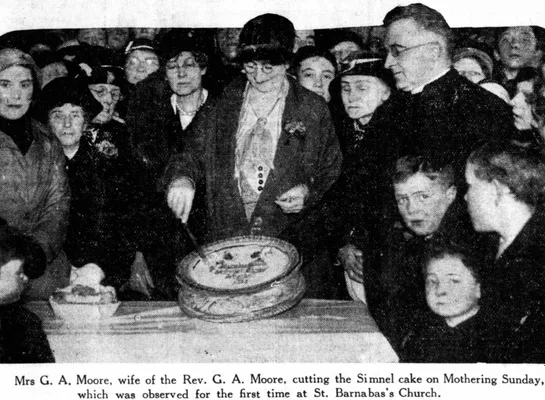
Whilst Mothering Sunday is now commonly combined and celebrated with the secular holiday of Mother’s Day in the United Kingdom and Ireland, its origin is religious in nature and separate from that of the American Mother’s Day.Starting in the 1700s, individuals would attend a special service on Laetare Sunday (the fourth Sunday of Lent) at their mother church (usually the church where an individual was baptised or their local parish church/closest cathedral). This activity was soon coined as going
Suzie Grogan used The British Newspaper Archive extensively while researching her book, Shell Shocked Britain: The First World War’s legacy for Britain’s mental health. She got in touch to show us the heart-breaking story she found about her own ancestors and some of the terrible accounts about life during World War One.**************My book is the product of two years of intensive research into the trauma of the Great War and its aftermath. But it was a chance find during