
Skip to content

Search the blog

Tag: ocrTag: murderTag: youth-culture
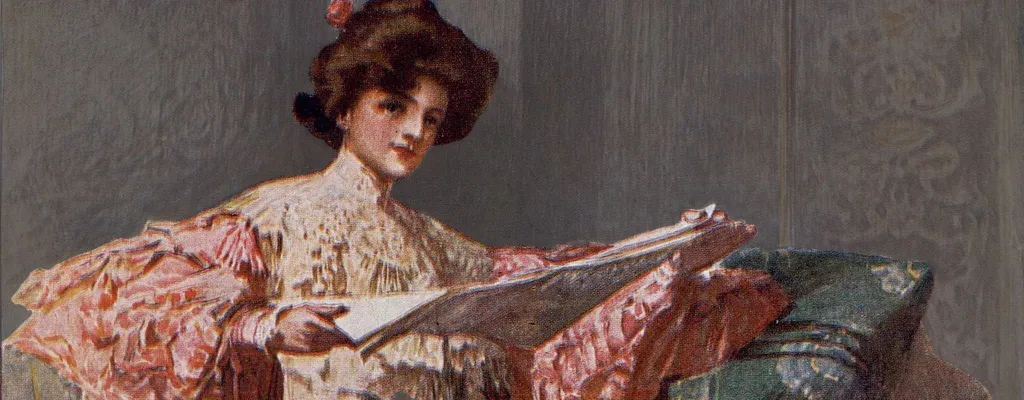
This week we have added an icon of British teenage life to our Archive, DC Thomson’s best-selling teen magazine, none other than Jackie. A weekly magazine for girls, Jackie was a cultural phenomenon.We’ve published every single edition of Jackie here at The Archive, running from 1964 through to 1993. That means we’ve added 51,474 pages of purely Jackie this week, a lively and bright smorgasbord of everything that appealed to a young teenage girl in the latter half of the twentieth century.
We’re starting this week off with a bang as we have added 218,828 brand new pages to The Archive, as we investigate the 1964 ‘Battle of Pier Gap,’ in which mods and rockers clashed in Clacton-on-Sea, Essex. Meanwhile, we’ve added one brand new title to The Archive, the East Essex Advertiser and Clacton News, as well as making extensive updates to our existing titles from across England, Wales, and Northern Ireland.From Croydon to Clacton, from South Bank to South Devon, read
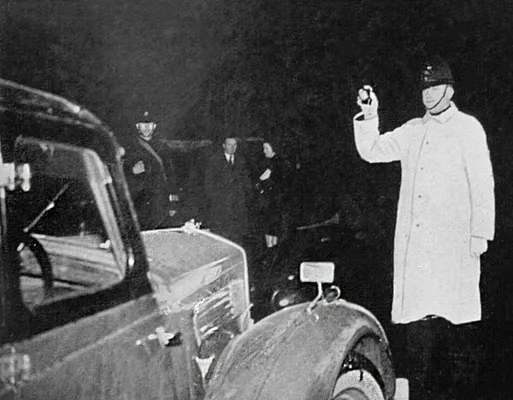
A walk along Piccadilly in the black-out is one of the many queer experiences of this war. The once brilliant centre of London’s night life is now as dark as any forest, and indeed, like a forest, the darkness is full of rustlings and whisperings, of half-seen shapes, and of a sinister feeling of eager, but invisible, life.So began a Daily Herald article on blackout crime in London during the Second World War. With blackouts imposed across the United
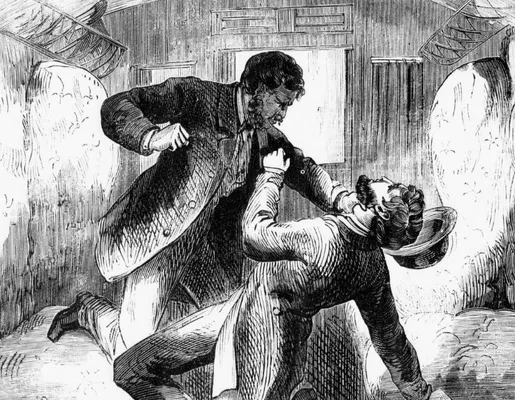
Long before Agatha Christie envisioned murder on the Orient Express, or before she wondered what might have taken place on the 4.50 from Paddington, murder, mystery and mayhem were already well established on the railways of Britain and beyond.The first victim of murder on British railways was 70-year-old Thomas Briggs. In this special blog, we will take a look at his story, as well as nine others sourced from the pages of our newspaper Archive, which tell the strange, the
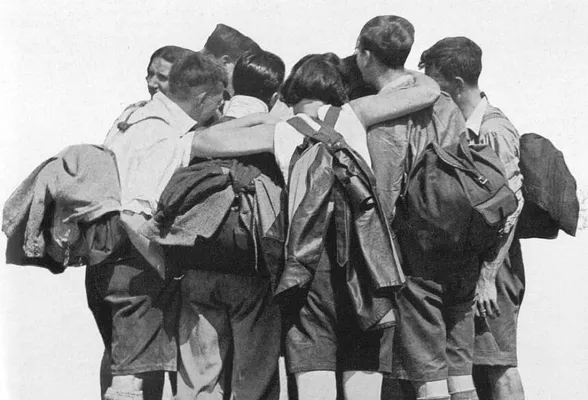
The popularity of walking or ‘hiking,’ as it is termed, is amazingly on the increase. ‘Sabbath day journeys’ are undertaken by the youth of both sexes, armed with knapsacks. Starting from Waterloo to the Surrey hills and commons, where they walk, either in clubs or in private companies, or alone, all day, to return by train at night.So relates The Sphere in the September of 1930 in an article entitled ‘Knapsackery on the Surrey Hills.’ Regarded as the ‘Phenomenon of
This week at The Archive we have added nearly 180 years of historic headlines, with 167,302 brand new pages joining us, spanning the years 1820 all the way through to 1999. We have four very exciting new titles joining us this week too, with additions to our collection of international newspapers, as well as to our Irish and national holdings.Read on to discover more about our new titles, the updates we have made to our existing publications, as well as one of the
This week the presses continue to whir, and we have added 129,872 brand new pages to our collection. Our additions this week are to Britain’s longest-running tabloid newspaper the Daily Mirror, to which we have added over 100,000 colour pages spanning the years 1923 through to 1986, and to the Glamorgan Gazette, which covers the central Glamorgan area. Founded in 1894, it continues to be published to this day.Register now and explore the ArchiveFor anyone with an interest in crime history, the British
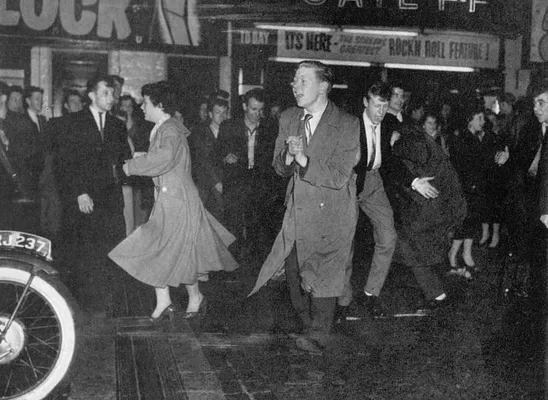
‘…coloured velvet collars and cuffs, trousers that were so tight they couldn’t sit down in them, belts on the back of their jackets, long narrow ties like bootlaces,’  this is of course the style of the Teddy Boys, the British youth subculture which defined the 1950s, as described in the Londonderry Sentinel.The Sphere | 22 September 1956The Teddy Boys, embracing the Edwardian style of decades before, were a threat to the status quo in a way that Britain had never quite
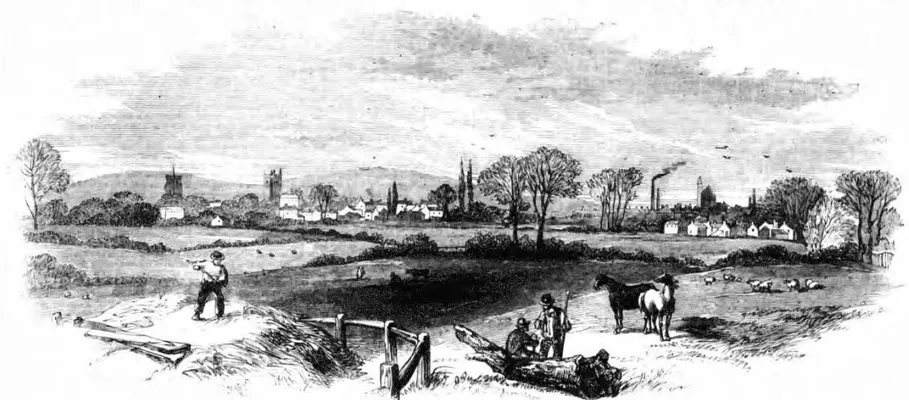
‘No more thrilling a tale of guilt and crime, and scarcely one so eloquent in its lessons and cautions to those who are in danger of entering upon a life of unbridled passion, is to be found in all the history of poor humanity than this story of William Palmer.’So reads an article in the Sheffield Independent, 17 September 1888, regarding one William Palmer, better known as the Rugeley Poisoner. William Palmer, a former doctor, was convicted in 1856 for the murder
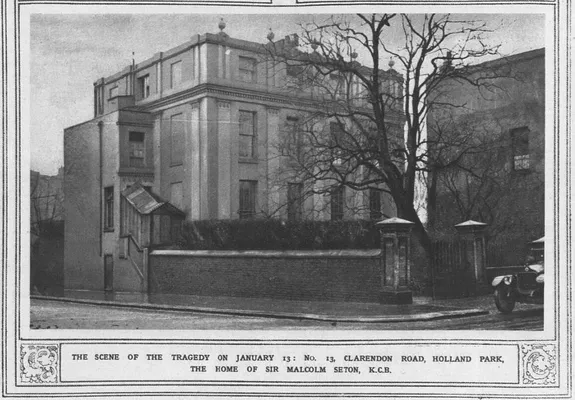
In 1919 the country was shocked by a high society murder – dubbed the ‘West End Tragedy.’ Major Miles Seton, of the Australian Medical Corps, was shot and killed by Lieutenant-Colonel Norman Rutherford, a British army doctor, in the palatial surrounds of a Holland Park address.Using articles and photographs from the pages of the British Newspaper Archive, we explore this sad crime, which took place just a few months after the end of the First World War.Want to learn more?