
Skip to content

Search the blog

Tag: moon-landingTag: bournemouth
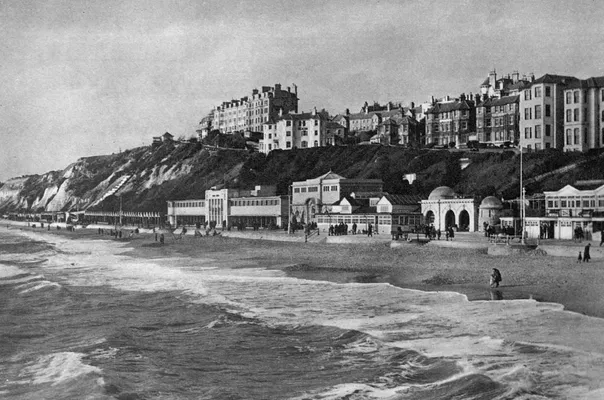
This week at The Archive we are delighted to welcome a brand new title from the sunny south coast, the Bournemouth Times and Directory, as we take a moment to remember the devastating Bournemouth Blitz. In all, over the last seven days, we’ve added 366,686 brand new pages to our collection, whilst we’ve updated 25 of our existing titles from across England, Scotland and Northern Ireland.So, from Buckingham to Burnley, from Dingwall to Driffield, from Mid Sussex to Mid Ulster, read
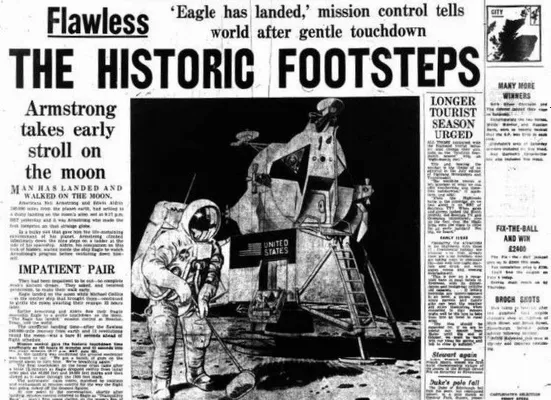
On 20 July 1969, two American astronauts, Neil Armstrong and Buzz Aldrin, landed on the moon, thus becoming the first two humans ever to walk on the lunar surface.These first steps were watched by an estimated audience of 650 million viewers worldwide, as the Apollo 11 mission became a veritable global media sensation.But how was the moon landing reported on by the British media? As part of space and the stars month here at The Archive, we have collated ten front pages
In March 1935 the seaside resort town of Bournemouth was shaken by a sensational murder. Retired architect Francis Mawson Rattenbury, aged 67, was found dead at his home, Villa Madeira, on Manor Road. Accused of his murder were his younger wife Alma Rattenbury, and her lover, 18-year-old gardener George Stoner.This case would end in further tragedy, and in this special blog, using pages from the British Newspaper Archive, we explore how murder came to the genteel town of Bournemouth in the
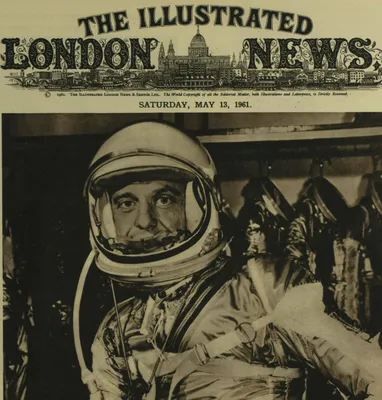
Space RaceThe Space Race between the Soviet Union and the United States experienced a significant ratcheting up at the end of the 1950s with the Sputnik Crisis, which saw the successful launching and orbit of the satellite Sputnik 1 by the Soviet Union in 1957. This development was a key factor in the creation of NASA the following year by the United States as well as the investment of federal funds into national security and research and development.An important milestone