
Skip to content

Search the blog

Tag: militaryTag: jack-the-ripper
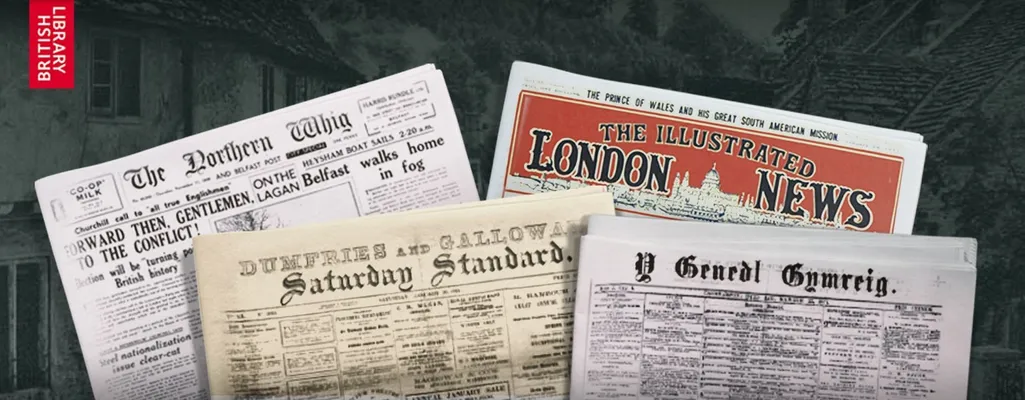
This week at The Archive, we have added another 190,692 new pages to our total count. We welcome three new titles that take us both underground into the mining industry, and across the water to 19th century Antigua. Additionally, we have updated nineteen of our pre-existing titles, including one final year to complete the 1956-1985 run of our 100 millionth title, Dundee Courier, as well as more to special interest title, Bicycling News.So continue reading to find out more about our fascinating
This week at The Archive we are delighted to welcome one splendid brand new title to our collection – Toby – the ‘East London Watch-Dog‘ – which provides us with a fascinating insight into attitudes to the police in Whitechapel at the time of Jack the Ripper. That’s not all, over the last seven days we’ve added 89,020 brand new newspaper pages, whilst we’ve made important updates to our newspaper titles from across England, Scotland and Northern Ireland.So read on to discover more
This week at The Archive we have reached yet a another milestone, as we now have a total of over 58 million pages all now available to search, just four weeks after we brought up our last million. Meanwhile, we have added 206,866 brand new pages over the past seven days, with one brand new title, the Eastern Argus and Borough of Hackney Times, joining us, with updates to 35 of our existing titles from across England, Wales and Scotland.So read on
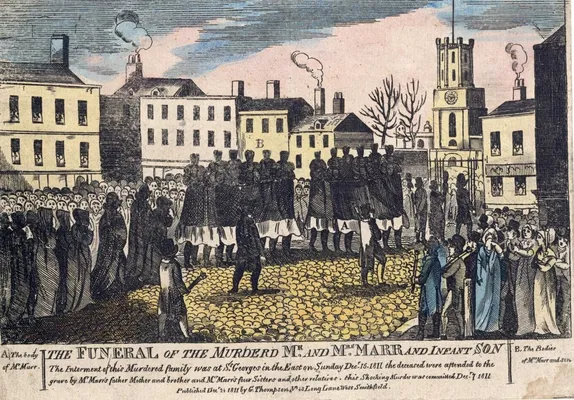
In December, 1811, all London was convulsed with terror at the tidings of the horrible slaughter wreaked at 29 Ratcliff Highway and 81 New Gravel Lane, and soon, from the Prince Regent’s table at Carlton House to the tap-room of the lowest dram-shop in Wapping, the hideous subject engrossed all.Ally Sloper’s Half Holiday, 27 August 1887These murders, now generally referred to as the Ratcliff Highway Murders, represent one of the bloodiest chapters in British crime history, and might have been the crime of
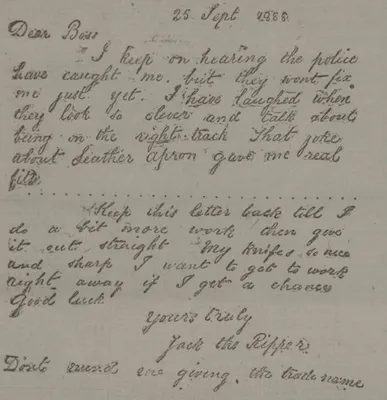
On 27 September 1888, in the midst of a series of horrific murders in Whitechapel, the Central News Office in London received a letter, signed by ‘Jack the Ripper’.Known as the ‘Dear Boss’ letter because of the way it was addressed, the letter changed the way British newspapers reported the Ripper murders.Read newspapers from 1888Facsimiles of the ‘Dear Boss’ letter in the newspapersThe name ‘Jack the Ripper’ reached the British press and general public on 3 October 1888, when Scotland Yard
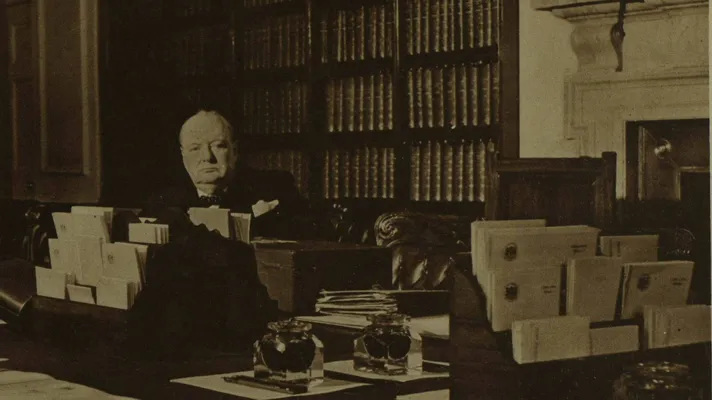
This year marks the 80th anniversary of wartime Prime Minister Winston Churchill’s most famous speeches. Coming to power after the failure of predecessor Neville Chamberlain to secure peace, Churchill faced a titanic task, and it was through his speeches that he laid down his powerful mantra.In this blog we will take a look at public feeling around the potential for peace with Germany during the weeks that Churchill came to power, and contemporary reactions to Churchill’s speeches in the
This week we have added 118,516 new pages to The Archive. We have added one new title, the New Ross Standard, published in County Wexford, and we have additions to five of our existing titles, including one of the oldest continuously published periodicals in the world, Lloyd’s List, and late twentieth century additions to the Lichfield Mercury.With the help of our recently added titles, we take a look this week at the interrelation between newspapers and the Second Boer War (1899-1902).
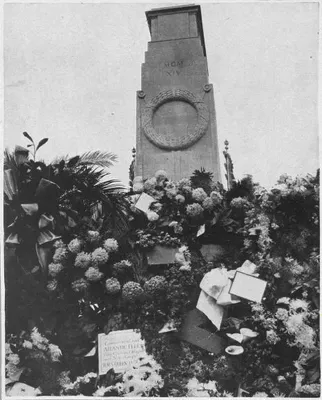
In this special blog post, we use newspapers from The Archive to investigate how the fallen soldiers of the First World War were remembered, and consequently, how all those killed in military conflicts across the world came to be commemorated via war memorials.Upon the cessation of conflict on 11 November 1918 there was hardly a household in Great Britain that had not been impacted by the horrendous number of casualties inflicted during the past four years. And not just in Great
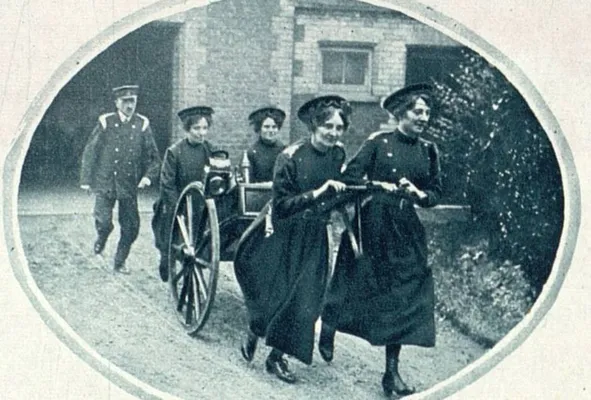
First Worls War women firefighters
During the First World War (1914-1918), the role of women in Britain was massively altered and the women’s sphere was enlarged in every direction. Some historians mark the First World War as a watershed moment in women’s history when women were looked at less as fragile creatures and more as robust figures.  A single blog post is not enough to explore all the contributions of women during the Great War, but we have combed through The British Newspaper Archive and pulled
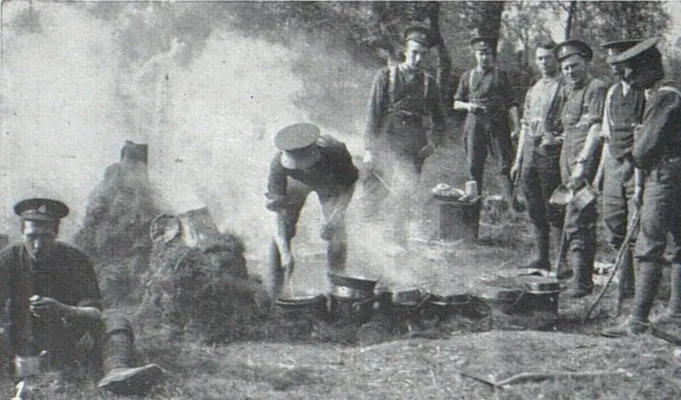
In war, food becomes a major concern.  Supplying the army and home-front with enough food is a huge logistical undertaking.  With a large army abroad in hostile territory, and the home-front far from self-sufficient, ensuring that they are kept fed and healthy becomes a primary concern for government and a national obsession.  As part of our focus on all things Military & Wartime during November, we have searched the newspapers to discover more about the history of food in wartime.An