Skip to content

Search the blog

Tag: militaryTag: blitzTag: ve-day
This week at The Archive we’re excited to welcome five brand new titles to our collection, and we’re especially delighted to welcome one of the longest running Free Church newspapers to our holdings, namely the Baptist Times. Meanwhile, we’ve added 125,635 brand new pages to The Archive in all over the past seven days, with updates to eleven of our existing titles, including to the world’s oldest English language general daily newspaper still in circulation, the Belfast News-Letter.So read on
This week at The Archive we are marking the 80th anniversary of VE Day by examining the striking front pages of our newspapers. We’re also continuing to add new pages to our collection, with 125,548 brand new pages joining us over the last seven days, which includes the addition of five brand new newspaper titles and the updating of eighteen of our existing titles from across the United Kingdom and the Republic of Ireland.So read on to see the headlines
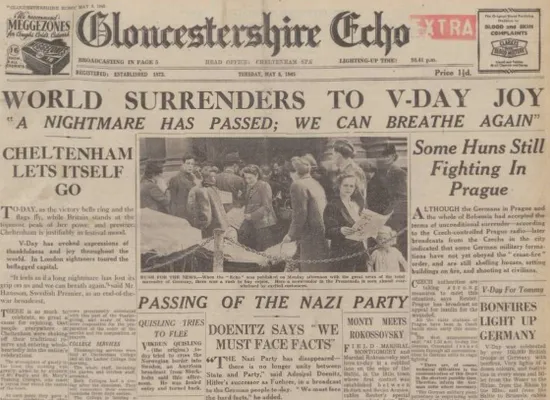
This month marks the 80th anniversary of VE Day – the day that peace in Europe was finally declared. After nearly six years of conflict – how did the newspapers of the time report the momentous news? How did the people of Britain react?Gloucestershire Echo | 8 May 1945Using the front pages from the 8 May 1945, VE Day itself, we take a step back in time to discover just how the joyous news spread, and how it was reacted to.Register now and explore
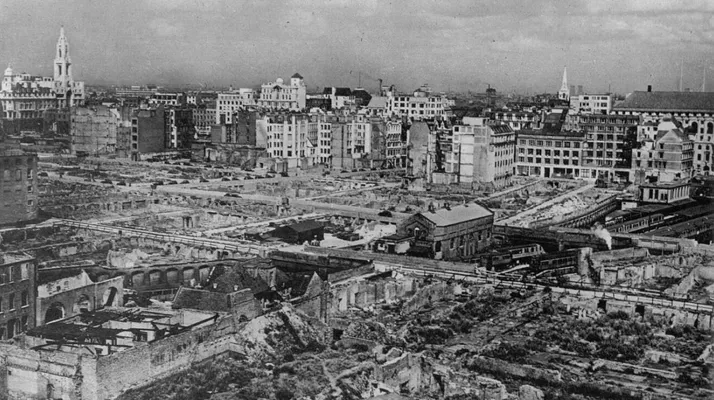
This week at The Archive we are delighted to welcome a brand new title from the sunny south coast, the Bournemouth Times and Directory, as we take a moment to remember the devastating Bournemouth Blitz. In all, over the last seven days, we’ve added 366,686 brand new pages to our collection, whilst we’ve updated 25 of our existing titles from across England, Scotland and Northern Ireland.So, from Buckingham to Burnley, from Dingwall to Driffield, from Mid Sussex to Mid Ulster, read
In the decade after the Second World War had come to an end, and indeed beyond, many communities across the United Kingdom were faced with very vivid reminders of the conflict: bomb sites, the country’s ‘war scars.’In this blog, we will examine how people in Britain lived alongside bomb sits in the 1950s, using newspapers taken from The Archive. We will explore how communities adapted to live beside bomb sites, and how they transformed them into gardens and playgrounds.
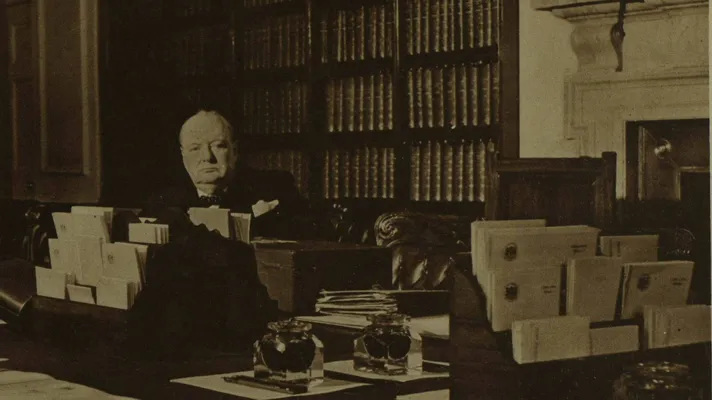
This year marks the 80th anniversary of wartime Prime Minister Winston Churchill’s most famous speeches. Coming to power after the failure of predecessor Neville Chamberlain to secure peace, Churchill faced a titanic task, and it was through his speeches that he laid down his powerful mantra.In this blog we will take a look at public feeling around the potential for peace with Germany during the weeks that Churchill came to power, and contemporary reactions to Churchill’s speeches in the
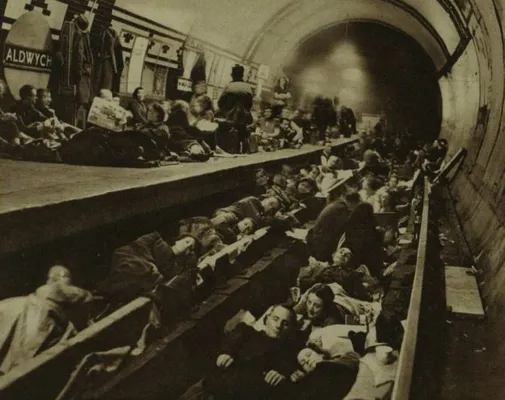
When the Blitz began on 7 September 1940, ‘It was the people of London who took command…Men, women, and children went straight to the safest place they could think of – the Underground stations.’In this special blog, over 80 years after the beginning of the Blitz, we take a look at how London’s main transport system – the Underground –  became a popular place of shelter for those seeking protection from the German bombing campaign, using an assortment of articles and photographs all to be
This week we have added 118,516 new pages to The Archive. We have added one new title, the New Ross Standard, published in County Wexford, and we have additions to five of our existing titles, including one of the oldest continuously published periodicals in the world, Lloyd’s List, and late twentieth century additions to the Lichfield Mercury.With the help of our recently added titles, we take a look this week at the interrelation between newspapers and the Second Boer War (1899-1902).
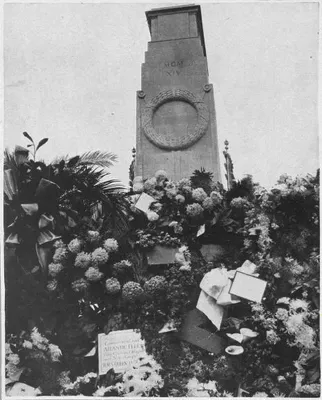
In this special blog post, we use newspapers from The Archive to investigate how the fallen soldiers of the First World War were remembered, and consequently, how all those killed in military conflicts across the world came to be commemorated via war memorials.Upon the cessation of conflict on 11 November 1918 there was hardly a household in Great Britain that had not been impacted by the horrendous number of casualties inflicted during the past four years. And not just in Great
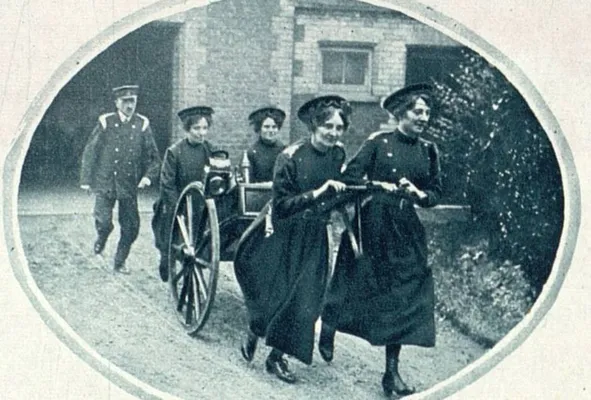
First Worls War women firefighters
During the First World War (1914-1918), the role of women in Britain was massively altered and the women’s sphere was enlarged in every direction. Some historians mark the First World War as a watershed moment in women’s history when women were looked at less as fragile creatures and more as robust figures.  A single blog post is not enough to explore all the contributions of women during the Great War, but we have combed through The British Newspaper Archive and pulled