Skip to content

Search the blog

Tag: liverpool-echoTag: lusitaniaTag: blitzTag: bournemouth
A montage of different newspaper titles with the British Newspaper Archive logo
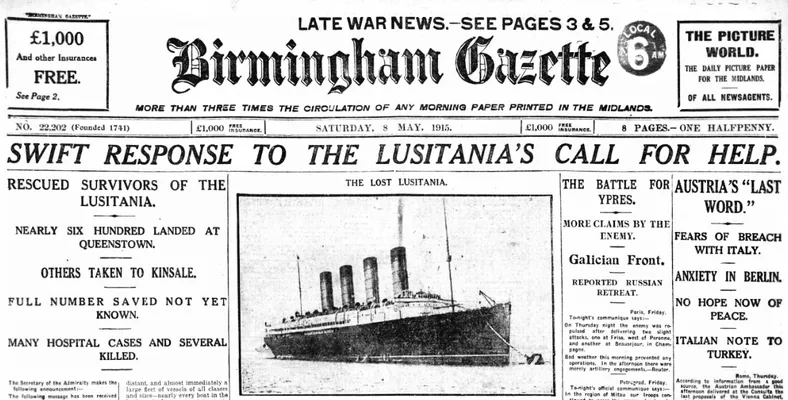
Fittingly for our brand new platform, this week we are delighted to welcome five brand new titles to The Archive, with a total of 261,496 pages joining us in all. That's not it either, from across the UK and Ireland and even further afield, we've updated 46 of our existing titles. And as we voyage into these new waters, using our brand new shipping title, we explore the launches of some notable liners and merchant vessels from the late 19th and early
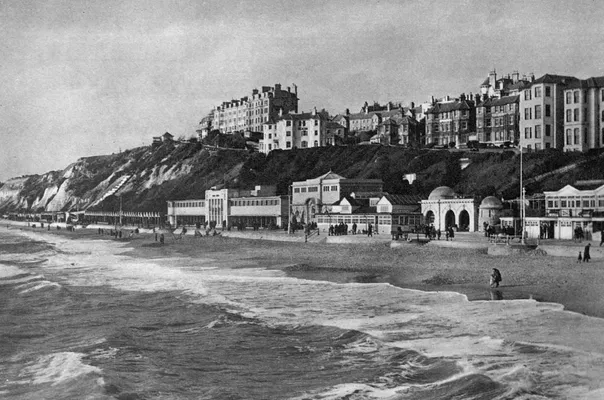
This week at The Archive we are delighted to welcome a brand new title from the sunny south coast, the Bournemouth Times and Directory, as we take a moment to remember the devastating Bournemouth Blitz. In all, over the last seven days, we’ve added 366,686 brand new pages to our collection, whilst we’ve updated 25 of our existing titles from across England, Scotland and Northern Ireland.So, from Buckingham to Burnley, from Dingwall to Driffield, from Mid Sussex to Mid Ulster, read
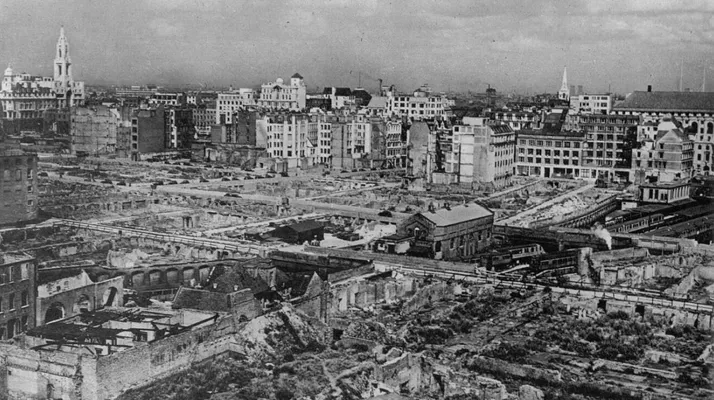
In the decade after the Second World War had come to an end, and indeed beyond, many communities across the United Kingdom were faced with very vivid reminders of the conflict: bomb sites, the country’s ‘war scars.’In this blog, we will examine how people in Britain lived alongside bomb sits in the 1950s, using newspapers taken from The Archive. We will explore how communities adapted to live beside bomb sites, and how they transformed them into gardens and playgrounds.
In March 1935 the seaside resort town of Bournemouth was shaken by a sensational murder. Retired architect Francis Mawson Rattenbury, aged 67, was found dead at his home, Villa Madeira, on Manor Road. Accused of his murder were his younger wife Alma Rattenbury, and her lover, 18-year-old gardener George Stoner.This case would end in further tragedy, and in this special blog, using pages from the British Newspaper Archive, we explore how murder came to the genteel town of Bournemouth in the
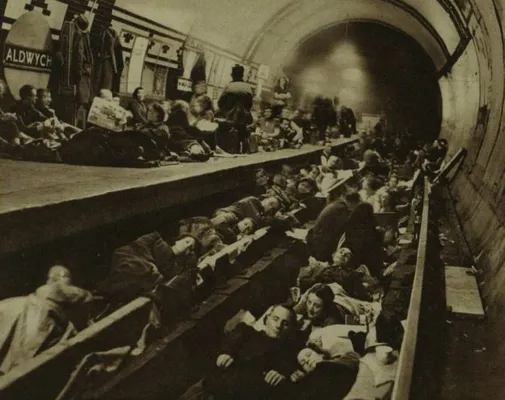
When the Blitz began on 7 September 1940, ‘It was the people of London who took command…Men, women, and children went straight to the safest place they could think of – the Underground stations.’In this special blog, over 80 years after the beginning of the Blitz, we take a look at how London’s main transport system – the Underground –  became a popular place of shelter for those seeking protection from the German bombing campaign, using an assortment of articles and photographs all to be
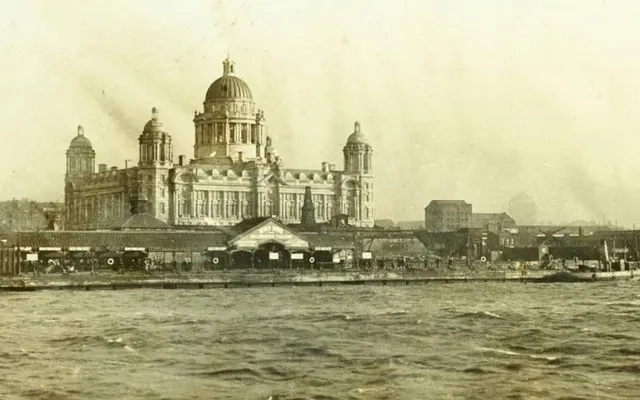
The British Newspaper Archive holds over 70,000 pages from Liverpool newspapers (and counting), making it an unrivalled resource when it comes to tracing the history of the city and its surrounding areas.Register to View Liverpool NewspapersOur clever search tools allow you to focus your search by looking at papers from Liverpool only and offer the ability to narrow by date, recent additions and more.To focus in on Liverpool titles only, while searching, use the place filter to select
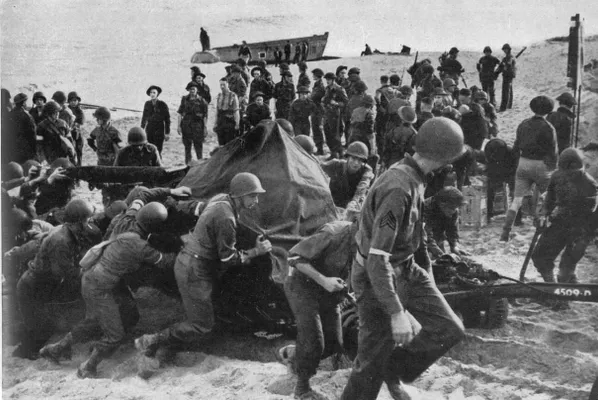
American troops
In honour of Remembrance Day, during the month of November, The British Newspaper Archive will be focusing our attention on military in the newspapers.  Coming up this month we will feature blogs about our special military titles, researching military history, women and war, and wartime rationing and fashion, as well as a guest blog about a remarkable Great War discovery from The Archive.  To begin our military month, we are delving into the newspaper headlines through the years for the
As we welcome a new month, we at the Archive take the opportunity to delve into historical events that have occurred in the month of May over the years.Lewis and ClarkOn 14 May 1804, Lewis and Clark departed St Louis on their expedition west. It was the first American expedition to explore the western half of the United States. The expedition was ordered by President Jefferson following the Louisiana Purchase to, in part, map this newly acquired territory. The journey
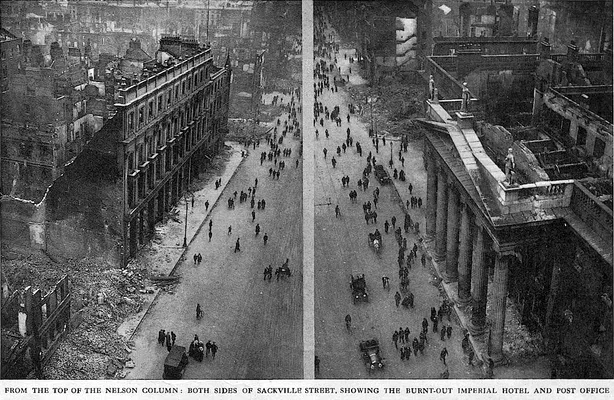
Next month sees the marking of the 100th anniversary of the Easter Rising. Irish nationalists headed a campaign to end British rule in Ireland during a time when the outcome of World War 1 was uncertain. We take a look at how the events of 1916 were documented in the British press at the time.Search the newspapersNews of the Rising started to filter through to the British newspapers on Tuesday, 25 April 1916. A smattering of local papers managed to squeeze in
You can search more than 390,000 newspaper pages from 1914-1918 at The British Newspaper Archive, with more being added all the time. Juliet Greenwood got in touch to explain how she used the collection to research World War One recipes for her novel, We That Are Left.**************When I first began writing a novel set during the First World War, I knew I wanted to focus on the experience of women and civilians.For Elin, the heroine of We That Are Left,