Skip to content

Search the blog

Tag: genealogyTag: history
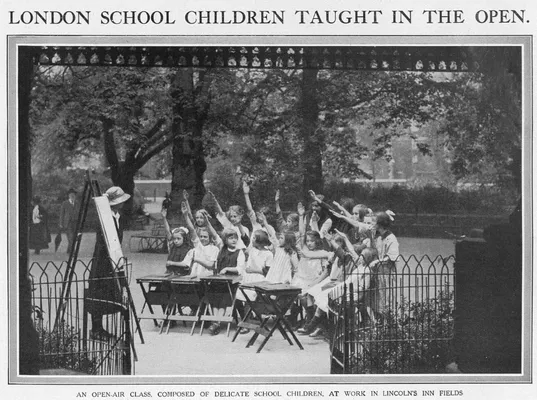
In the early 1900s British authorities took a new approach to education: open air schools. Inspired by methods of teaching in Germany, these open air schools were intended to provide disadvantaged city children with fresh air, alleviating their poor health and preventing the spread of tuberculosis.In this special blog, using newspapers taken from our Archive, we will investigate the open air schools of the 1900s, from their early inception, to how they continued to play a role in education
At The Archive we are delighted to welcome guest blogs from our users, which highlight a wealth of different research interests. This month, we are excited to feature a blog on researching queer history by Staffordshire researcher Rebecca Morris-Quinn.My name is Rebecca, I am a queer woman living in Stoke-on-Trent, Staffordshire. I’ve been interested in genealogy and history for many years, since I found out that I share a birthday with a great-great aunt, Olive (albeit over 100 years ago).
Our newspaper Archive contains many thousands of obituaries and death notices, which can help you unlock fascinating information and stories about your family history. In this special blog, we present your guide to obituaries on The Archive: how to search them, where to find them, and how to make the most of them for your family history research. But first, what is an obituary?Register now and explore the ArchiveWhat Is An Obituary?An obituary, according to the Cambridge
In partnership with the British Library, the British Newspaper Archive features 1 million free to view newspaper pages as part of its collection. A great way to get started with your research, and to begin to explore historic newspapers and their stories, all you need to do is register a free account with us to access the free to view pages.Register now to explore FREE pagesOnce you’ve registered, you can explore 150 different newspaper titles, which span the years 1720 to 1880.
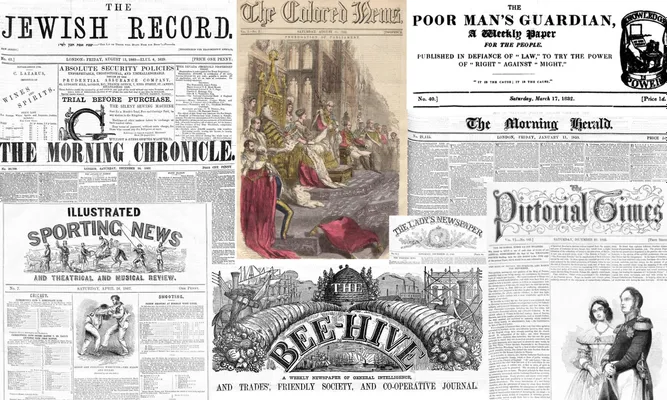
The British Newspaper Archive, in partnership with the British Library, has been bringing history to life for over a decade through the pages of its extensive collection. We are now delighted to announce that the British Library will be extending this long-term partnership, and together we will continue to digitise more and more historic newspaper titles from across the United Kingdom and beyond.First launched in 2011, the British Newspaper Archive, working with the British Library, has so far digitised over 42
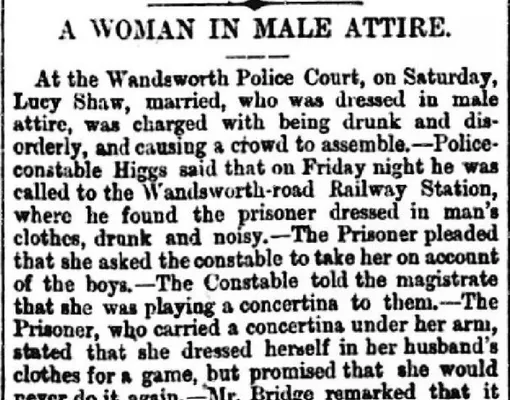
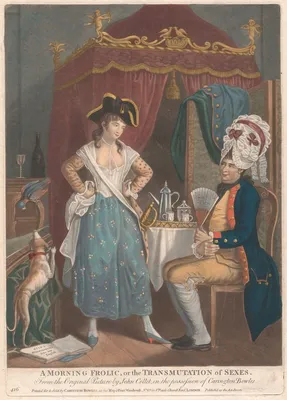
June is Pride Month. At The Archive, we are delving into the newspapers and pulling out the breadth of LGBTQ history available.Register now and explore The Archive18th Century Gay Subculture18th century London was home to a flourishing gay subculture with Molly Houses at the centre of the social scene. ‘Molly’ was a slur used for effeminate, homosexual men and the term was adopted to describe the clubs, taverns, inns, or coffee houses where they met up in
This week we have added 103,570 new pages to The Archive, with an impressive 6 brand new titles joining our collection. In addition to these new titles, we have updates to 9 of our existing publications. In all, our new pages this week cover 120 years of history, and span the towns, cities and countryside of England, Scotland and Wales.This week sees a brand new addition to our Leicestershire newspapers. The Ashby-de-la-Zouch Gazette covers the area around the market town, and was a
Scotland
Using newspapers for your Scottish genealogy researchDo you find yourself daunted at the prospect of researching your Scottish ancestors? Keep the heid! There exists a fantastic array of records that can get you further along in your family history research. The main problem, however, is access. Much of what exists has not been ditigised, and for those that have been, many are not indexed. It is overwhelming figuring out where to search and what records, if they were created,
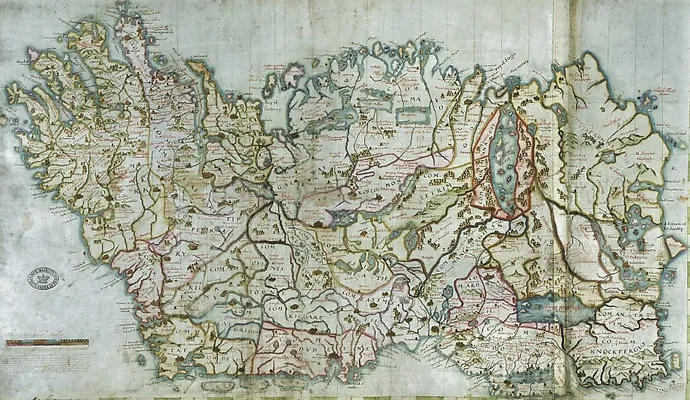
Anyone starting to research their Irish heritage has heard the story: ‘all of their records were destroyed in 1922’.  The destruction of the Four Courts on 30 June 1922, which housed the public records office, was a huge loss… but! with digitisation, Irish family history is getting easier by the day.  Sites like our sister site Findmypast are opening up new avenues of research by digitising a wide variety of sources, and many of their Irish collections are free!Newspapers are particularly
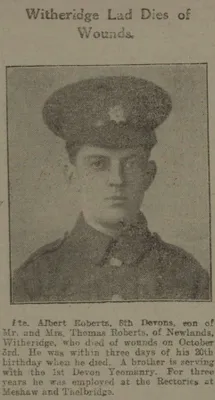
Albert Roberts
Paul Roberts’ book is now available to purchase! Order your copy of History Maker here.How The British Newspaper Archive played a key role in the completion of a new book about my great-great-grandfather who had 30 grandsons serving King and CountryI found the picture by pure chance – on a village history website. It was of John Roberts, a man with a bushy beard and sideburns and wearing a bowler hat and a big smile. A caption below it was