Skip to content

Search the blog

Tag: british-empireTag: blitzTag: ve-day
This week at The Archive we’re excited to welcome five brand new titles to our collection, and we’re especially delighted to welcome one of the longest running Free Church newspapers to our holdings, namely the Baptist Times. Meanwhile, we’ve added 125,635 brand new pages to The Archive in all over the past seven days, with updates to eleven of our existing titles, including to the world’s oldest English language general daily newspaper still in circulation, the Belfast News-Letter.So read on
This week at The Archive we are marking the 80th anniversary of VE Day by examining the striking front pages of our newspapers. We’re also continuing to add new pages to our collection, with 125,548 brand new pages joining us over the last seven days, which includes the addition of five brand new newspaper titles and the updating of eighteen of our existing titles from across the United Kingdom and the Republic of Ireland.So read on to see the headlines
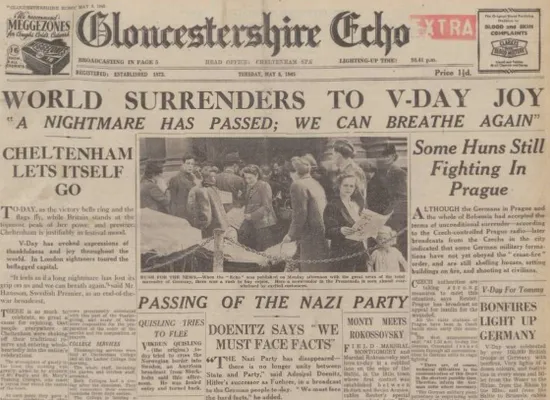
This month marks the 80th anniversary of VE Day – the day that peace in Europe was finally declared. After nearly six years of conflict – how did the newspapers of the time report the momentous news? How did the people of Britain react?Gloucestershire Echo | 8 May 1945Using the front pages from the 8 May 1945, VE Day itself, we take a step back in time to discover just how the joyous news spread, and how it was reacted to.Register now and explore
This week at The Archive we are delighted to welcome a brand new title from the sunny south coast, the Bournemouth Times and Directory, as we take a moment to remember the devastating Bournemouth Blitz. In all, over the last seven days, we’ve added 366,686 brand new pages to our collection, whilst we’ve updated 25 of our existing titles from across England, Scotland and Northern Ireland.So, from Buckingham to Burnley, from Dingwall to Driffield, from Mid Sussex to Mid Ulster, read
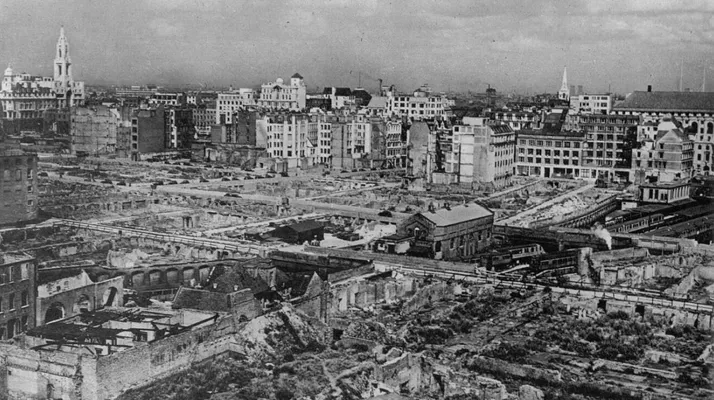
In the decade after the Second World War had come to an end, and indeed beyond, many communities across the United Kingdom were faced with very vivid reminders of the conflict: bomb sites, the country’s ‘war scars.’In this blog, we will examine how people in Britain lived alongside bomb sits in the 1950s, using newspapers taken from The Archive. We will explore how communities adapted to live beside bomb sites, and how they transformed them into gardens and playgrounds.
Over the past seven days at The Archive we have added 199,758 brand new pages to our collection, including updates to 18 of our existing titles from England, Scotland, Wales and beyond.Meanwhile, we have added an amazing 140,396 new pages to our special international title the Civil & Military Gazette (Lahore), which traces its origins all the way back to 1845. Read on to find out more about this newspaper title that helps us to tell the story of India and Pakistan under British
This week at The Archive we are excited to bring you 95,362 brand new pages, which span over 200 years of headlines. Meanwhile, we have added five new titles, from Swanage to Sheffield, and South London, and we continue to tell the story of the British Empire, and the struggle for independence from the Empire, with the addition of India, the original organ of the Indian National Congress.So read on to discover more about our new titles of the week, as
This week at The Archive we have been immensely busy adding 173,282 brand new pages to our collection. We have added an incredible 11 brand new titles over the past seven days, spanning such diverse countries as India, China, Dominica and Antigua, as well as some towns and cities slightly closer to home, like Beverley, Birkenhead and Blandford.Here at The Archive we don’t like to neglect our existing titles either, and so in this vein, we have added new pages to 19
This week at The Archive has been an especially busy one, as we have added 150,624 brand new pages from titles to be found across the world! Not only have these 150,624 new pages joined us this week, we have added nearly 150 years’ worth of headlines, from 1771 to 1920.Furthermore, this week sees the continuation of our commitment to publish the international titles held by the British Library. To this end, new titles join our collection from the Caribbean, including Barbados, Jamaica and
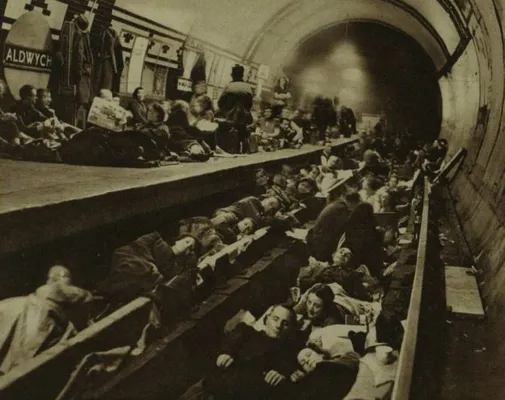
When the Blitz began on 7 September 1940, ‘It was the people of London who took command…Men, women, and children went straight to the safest place they could think of – the Underground stations.’In this special blog, over 80 years after the beginning of the Blitz, we take a look at how London’s main transport system – the Underground –  became a popular place of shelter for those seeking protection from the German bombing campaign, using an assortment of articles and photographs all to be