
Skip to content

Search the blog

Tag: blitzTag: colindaleTag: bournemouthTag: halloween
At The Archive this week we are delighted to announce that we have hit another milestone, as we are now at over 97 million pages all available to search, as we embrace spooky season and find out how to throw a 1950s style Halloween party. That’s not all, we’ve added another 256,448 brand new pages to our collection, with five brand new titles and updates to seven of our existing titles from across the UK.And so, read on to discover more
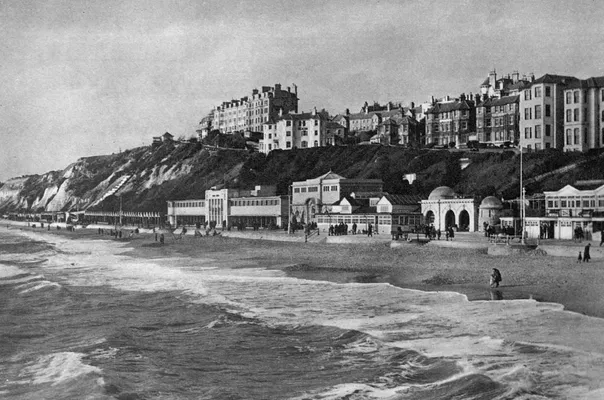
This week at The Archive we are delighted to welcome a brand new title from the sunny south coast, the Bournemouth Times and Directory, as we take a moment to remember the devastating Bournemouth Blitz. In all, over the last seven days, we’ve added 366,686 brand new pages to our collection, whilst we’ve updated 25 of our existing titles from across England, Scotland and Northern Ireland.So, from Buckingham to Burnley, from Dingwall to Driffield, from Mid Sussex to Mid Ulster, read
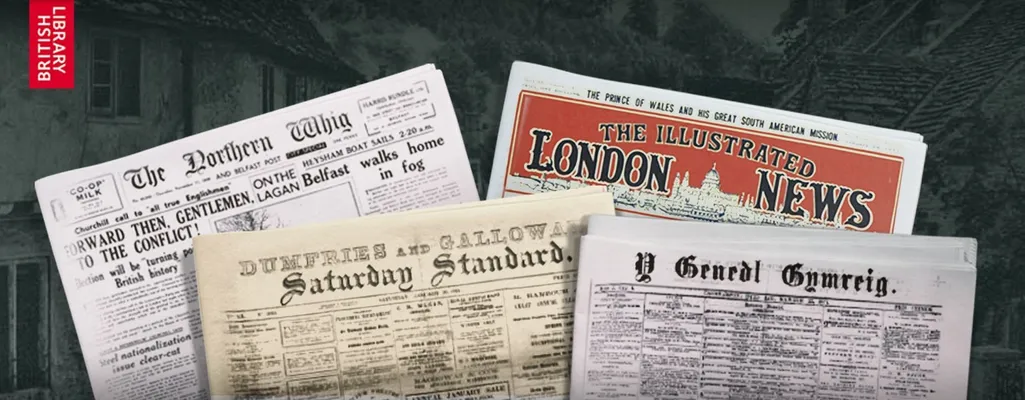
Here at The Archive, we love to learn of the discoveries you have made through our newspaper pages, and how you have used them, whether they have influenced novels, or provided information for dissertations. We were incredibly grateful, therefore, when crime writer and athletics historian Peter Lovesey contacted us with his account of sixty years of researching newspapers. From accessing historical newspapers in their original form, to scrolling through microfilm reels, and finally to searching newspapers digitally on the British
As it’s the height of spooky season we’re exploring the history of Halloween at The Archive, with the help of the 93,381 brand new pages that we have added to our collection over the last seven days. Meanwhile, we’re delighted to welcome one brand new newspaper title to The Archive, which is the Middlesex & Surrey Gazette, whilst we have made exciting updates to some of our existing titles from across Wales, Scotland and Northern Ireland.So read on to discover more
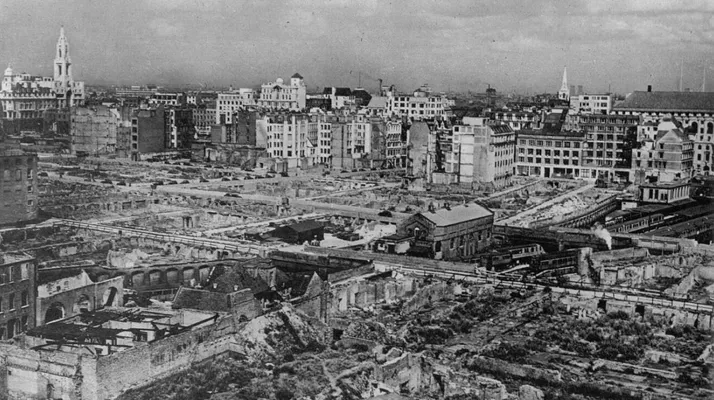
In the decade after the Second World War had come to an end, and indeed beyond, many communities across the United Kingdom were faced with very vivid reminders of the conflict: bomb sites, the country’s ‘war scars.’In this blog, we will examine how people in Britain lived alongside bomb sits in the 1950s, using newspapers taken from The Archive. We will explore how communities adapted to live beside bomb sites, and how they transformed them into gardens and playgrounds.
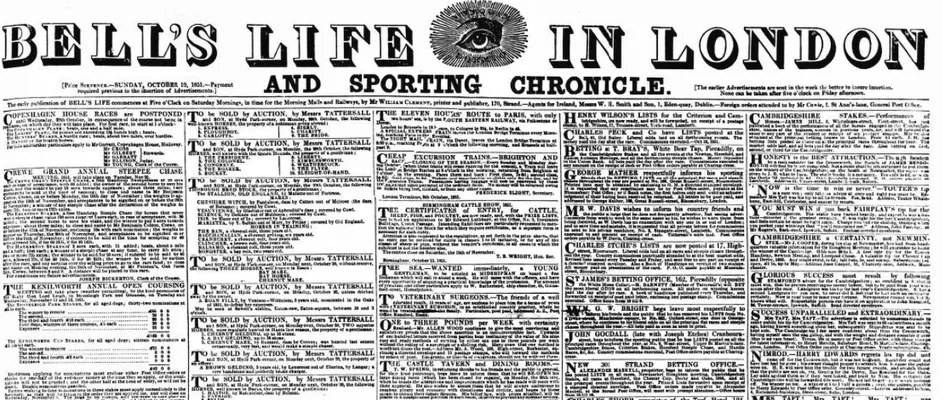
This week at The Archive we have been busy adding an incredible 167,444 brand new pages to our collection, with nineteen new titles added in all. And this week’s new titles have an especially Scottish theme, with a lucky thirteen new titles added from Scotland alone over the past seven days.Meanwhile, we have added six historic London titles, digitised as part of the British Library’s Heritage Made Digital programme, and updated fifteen of our existing newspaper titles, including pages from
Nowadays, we tend to think of Halloween as a thoroughly modern phenomenon, an American Hallmark holiday. But using newspapers from the Victorian era, accessed through The Archive, we will discover in this blog how Halloween is a thoroughly ancient phenomenon.We will look at the ancient origins of the October festival, and explore its traditions, some of which have lasted through to this day, like bobbing for apples, and others that have fallen by the wayside, for example the day’s
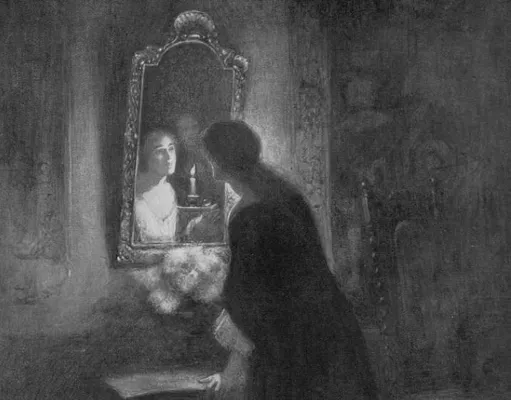
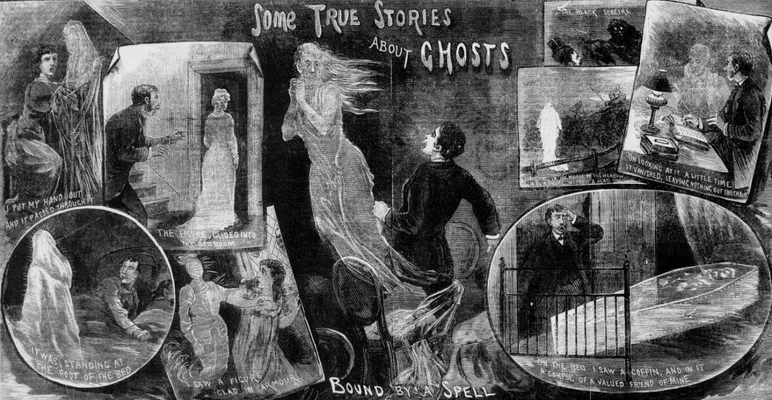
With spooky season now upon us, we thought we’d scour the pages of The Archive to find some of the most spine-chilling ghost stories ever published in our newspapers.So settle in and prepare to be scared by tales of ghostly armies, inexplicable apparitions and portents from the afterlife, all of which have been featured in the pages of the newspapers to be found on The Archive.Want to learn more? Register now and explore The Archive1. An Army of
In March 1935 the seaside resort town of Bournemouth was shaken by a sensational murder. Retired architect Francis Mawson Rattenbury, aged 67, was found dead at his home, Villa Madeira, on Manor Road. Accused of his murder were his younger wife Alma Rattenbury, and her lover, 18-year-old gardener George Stoner.This case would end in further tragedy, and in this special blog, using pages from the British Newspaper Archive, we explore how murder came to the genteel town of Bournemouth in the
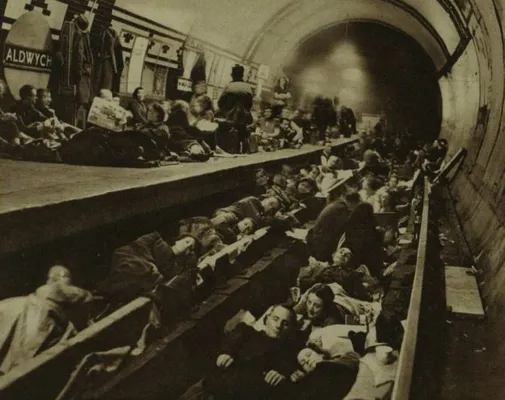
When the Blitz began on 7 September 1940, ‘It was the people of London who took command…Men, women, and children went straight to the safest place they could think of – the Underground stations.’In this special blog, over 80 years after the beginning of the Blitz, we take a look at how London’s main transport system – the Underground –  became a popular place of shelter for those seeking protection from the German bombing campaign, using an assortment of articles and photographs all to be