Skip to content

Search the blog

Tag: 1920sTag: suffragettesTag: scotland
This week at The Archive we have added 211,776 new pages to our holdings. With a mighty 53 updated titles, and 9 brand new titles added, we take you from the complex underworld of women’s clothing design in London, to the threatening notices posted on gates and chapel doors in Hexham. Additionally, continue on to discover the swan scandal in Linlithgow that shook the town, and contributed to the wider conversation of human-related pollution in lochs across Scotland.Register now and explore The
This week at The Archive we’re delving into the history of prohibition across Scotland and its impact on local distilleries. As well as exploring a time when parts of Scotland went dry for a bit longer than just the month of January, we’ve added 74,458 brand new pages to The Archive, as well as updating twelve titles from across England, Scotland and the Isle of Man.So read on to discover which of our titles we have updated this week, and
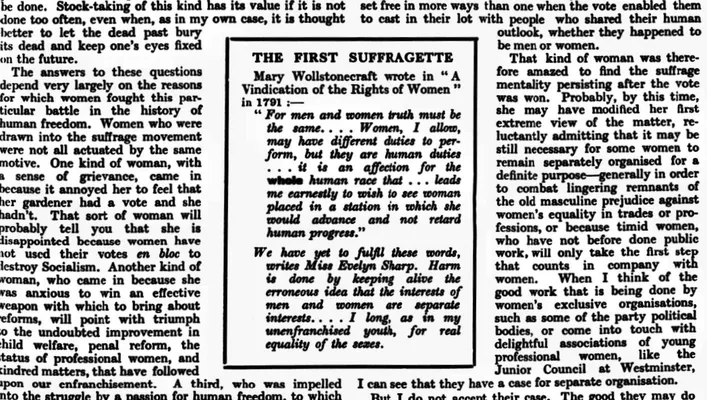
Eighteenth century writer, philosopher and early feminist Mary Wollstonecraft faced censure in her lifetime, not just for her radical beliefs, but also for her rejection of societal norms. Long after her death, however, attitudes began to shift, as she gained recognition as a trailblazing fighter for women’s equality and became an inspirational figure in the women’s suffrage movement.Following on from our blog on the life of Mary Wollstonecraft, in this second and final blog we shall examine the writer’s
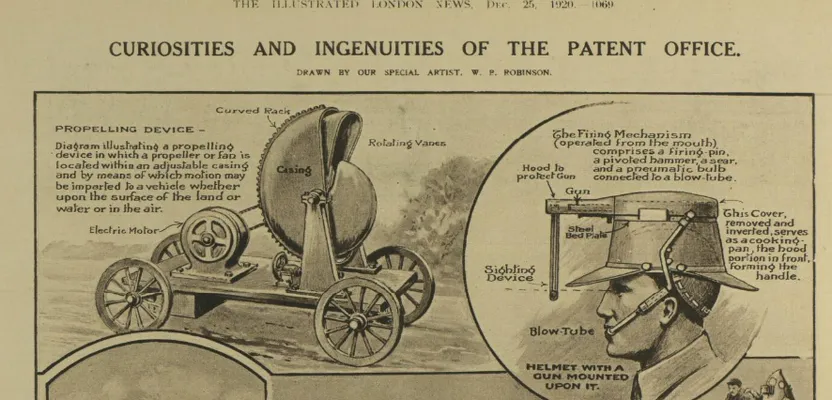
In December 1920 the world’s first illustrated weekly news magazine the Illustrated London News delved into the ‘curiosities and ingenuities‘ of the Patent Office, featuring some of Britain’s most unusual rejected patents.Illustrated by the publication’s own artist W.B. Robinson, the Illustrated London News presented a series of the bizarre designs that had been submitted to the Patent Office, but had since ‘lain dormant.’We at The Archive were keen to delve into our collection’s cabinet of curiosities, and these rejected
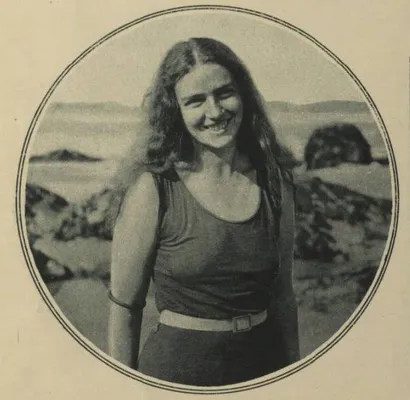
Mercedes Gleitze (1900-1981) was the first British woman to swim the English Channel, and the first person to swim the Straits of Gibraltar. In an amazing career that spanned the 1920s and 1930s, Mercedes captured the imagination of the British public and became a household name.Born to German parents in Brighton, Mercedes was one of three sisters. Skilled in languages, she moved to London where she worked as a secretary and stenographer. Whilst living in London she began swimming in
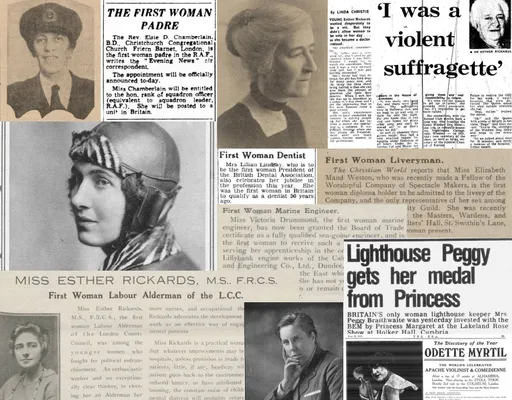
This March at The Archive we are celebrating inspiring women from history, who broke boundaries across different fields, whether they be medical, sporting, political and much more besides. We will be highlighting those inspiring women who broke the mould, and we will be showcasing the achievements of some lesser known women along the way, who deserve recognition for their trailblazing lives and careers.And in this special blog, we will be looking at ten inspiring women from history who you
This week has been another record-breaking week here at The Archive, as we have now reached another milestone of over 57 million pages all now available to search as part of our collection, with 633,752 brand new pages joining us in all over the past seven days. Meanwhile, we’ve added three brand new newspaper titles to the site this week, two of which illuminate the religious climate of the mid to late nineteenth century, whilst another shines a light on local news
This week you might just be able to witness steam coming off our presses, as we have added an impressive 343,381 brand new pages to The Archive, with 22 brand new titles joining us this week alone. Comprising of special interest titles devoted to music and the cinema, as well as to different spheres of employment, from postal work to pawnbroking, our new titles this week are an eclectic mix, comprising also the regional and the international, covering the latest from both
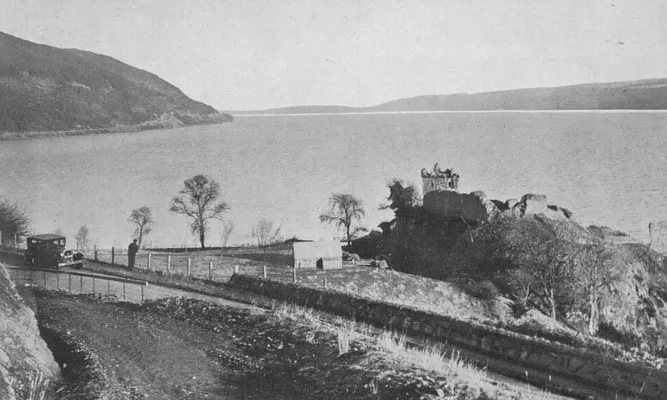
In early May 1933 reports that some kind of monster had been spotted in Loch Ness, in the Scottish Highlands, near Inverness, reached the press. By the end of the year, national weekly publication The Sphere wrote:When the Loch Ness monster first came into the news many believed that the stories published in the Press were nothing more than mere sensationalism. To-day this theory does not hold good. People, whose judgement can be relied on, have seen the ‘monster,’ and
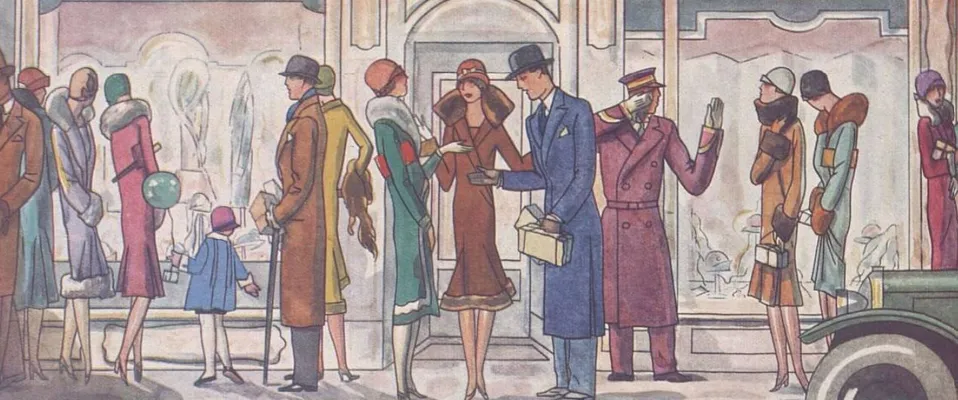
Imagine yourself back in December 1925, with Christmas fast approaching, in London where:All the pavements are alive this week with purchasers moving in ceaseless procession from window to window as they search for the particular Christmas gift for the particular person who is to receive it. They wander down street after street, for London nowadays is the finest city in which to purchase a gift – humble, rich, or rare – that the world knows.It’s time for Christmas shopping, and there’s