Skip to content

Search the blog

Tag: blitzTag: suffrageTag: newspapers
In Milan Cathedral on 26 May 1805, Emperor Napoleon was crowned King of Italy by the Cardinal Archbishop of Milan, who presented him with the Iron Crown of Lombardy.Once the crown was safely on his head, Napoleon said: ‘God gives it to me, beware whoever touches it’.Hmm.To mark the day, here’s a fascinating newspaper article from June 1805 that reports on this historic occasion.Hull Packet – Tuesday 25 June 1805Image © THE BRITISH LIBRARY BOARD. ALL RIGHTS RESERVED.http://www.britishnewspaperarchive.co.uk/viewer/bl/0000061/18050625/004/0001
On a rural road in Bienville Parish, Louisiana, on 23 May 1934, Bonnie Elizabeth Parker and Clyde Chestnut Barrow were shot dead in a police ambush.The couple were criminal celebrities during the ‘public enemy era’ in the USA, from between 1931 and 1934.It’s believed that they killed nine police officers and several civilians during the course of their careers as armed robbers.Included below are two, contemporary newspaper stories that report on the violent end of Bonnie and Clyde.Western Morning News –
On 21 May 1932, Amelia Earhart landed in a field at Culmore, near Derry in Northern Ireland, after flying solo across the Atlantic – she was the first woman to achieve this amazing feat.Here are some contemporary newspaper stories about her historic flight – we especially like that she set off on her epic journey with only a quart of chicken soup to keep her nourished!Read another blog post about Amelia Earhart in which she quips, ‘Still flying although married’.Hull Daily
‘This child has a great future before her, and she will put many great musicians in the shade’ – PaganiniThe German pianist and composer, Clara Schumann, suffered a stroke and died in Frankfurt on 20 May 1896, aged 76.We’ve been reading stories about Madame Schumann in the Archive and we especially liked this first report, as it contains a terrific comment from Paganini about her brilliant piano playing.The second report contains a description of her funeral in Bonn, and below that
On 19 May 1935, T.E. Lawrence (‘Lawrence of Arabia’) died at Bovington Military Camp in Dorset, five days after fracturing his skull in a motorcycle accident – he was 46 years old.The Archive contains 100s of stories about Thomas Edward Lawrence, including many reports of his amazing exploits during World War One.Here is a fascinating newspaper report about the life and death of Lawrence, published just one day after he died.Nottingham Evening Post – Monday 20 May 1935Image © Northcliffe Media Limited. Image created
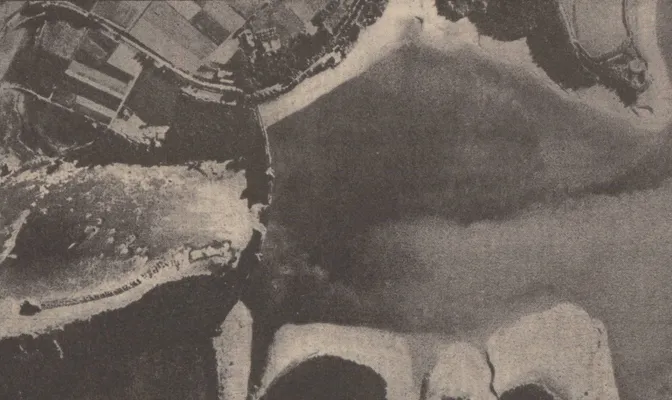
On 16–17 May 1943, an attack on the Mohne and Edersee Dams was carried out by 617 Squadron, led by Wing Commander Guy Gibson.The attack famously used the ‘bouncing bombs’ that had been invented by Barnes Wallis.Included below is a newspaper report of the attack and also some photographs, which were published just two days afer the attack on the dams.
At the Theatre Royal, Drury Lane, on 15 May 1800, James Hadfield tried to shoot King George III while the national anthem was being played, and the king was standing to attention in the royal box.It’s reported that after missing his target, Hadfield then said to the king:‘God bless your royal highness; I like you very well; you are a good fellow.’Hmm, we’re thinking that his words might be a very good examples of quick thinking…Hadfield went on
We’re always interested in new digitisation projects, so were very interested to see this news story about the start of the ‘Lives of the First World War’ website project.– http://www.1914.org/news/new-digital-centenary-project-lives-of-the-first-world-war/And here’s the URL for the ‘Lives of the First World War’ website – the archive content isn’t yet on the site, but there’s a video explaining what this fascinating website will eventually contain.– http://www.livesofthefirstworldwar.org/
On 11 May 1857, the mutiny by Indian Sepoy soldiers at Meerut started.The mutiny at Meerut was the start of the Indian Rebellion of 1857, as it acted as a catalyst for other mutinies as well as uprising by citizens to take place.Included below is a letter written by an officer stationed in Meerut, who describes the terrible events that took place at this time.And here’s another very moving letter written by an army officer – this time, based at Sebastopol
‘That was but a prelude; where they burn books, they will ultimately burn people also’ – Heinrich Heine (1797 to 1856)In most university towns of Nazi Germany on the night of 10 May 1933, Nazi-supporting students burned over 25,000 books that were deemed to be ‘un-German’.This bonfire of books followed on from the proclamation of ‘Action against the Un-German Spirit’, which had been declared on 6 April 1933.To mark this very dark day, here are two newspaper reports about this funeral pyre of ‘un-German’ books.