Skip to content

Search the blog

Tag: ocrTag: suffrageTag: london
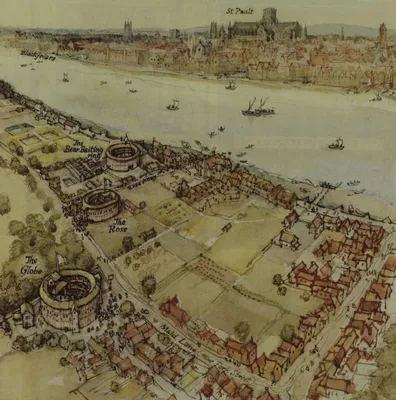
As Britannia & Eve relates, ‘In 1586 a young genius of twenty-two, already the father of twins, packed his bags, said good-bye to the fading charms of his older wife, and quitted his home in Stratford-upon-Avon to earn his living in London as an actor.’This young genius was of course none other than William Shakespeare, about whose life precious little is known. But we do know that it was to London that the bard went, Dick Whittington-like, to pursue his fortune.
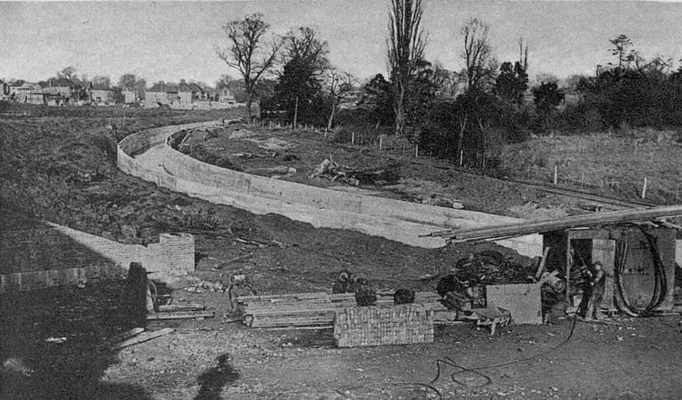
I know a land where the wild flowers grow Near, near at hand if by train you go, Metro-land. Metro-land.The above pre-First World War verse written by George R Sims coined the phrase ‘Metro-land’ – that area of north west of Wembley served by what was then called the Metropolitan Railway, and is now known as the Metropolitan Line.In this blog, using articles found on the British Newspaper Archive, we will explore how the Metropolitan Railway shaped London’s suburbs,
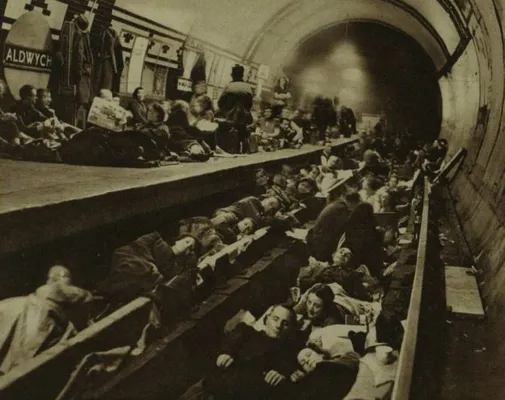
When the Blitz began on 7 September 1940, ‘It was the people of London who took command…Men, women, and children went straight to the safest place they could think of – the Underground stations.’In this special blog, over 80 years after the beginning of the Blitz, we take a look at how London’s main transport system – the Underground –  became a popular place of shelter for those seeking protection from the German bombing campaign, using an assortment of articles and photographs all to be
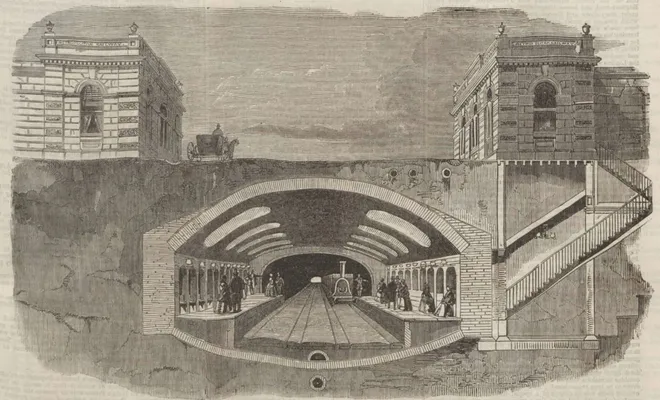
On 10 January 1863 the Metropolitan Railway was opened in London. An unprecedented feat of engineering, the Metropolitan Railway was the first underground railway in the world, forming the basis of the London underground and other global underground systems.In this special blog, we take a look at the historic first three days of the Metropolitan Railway’s existence, from its grand opening on Friday 10 January 1863, to the teething problems it encountered when it opened to the public on the Saturday and Sunday,
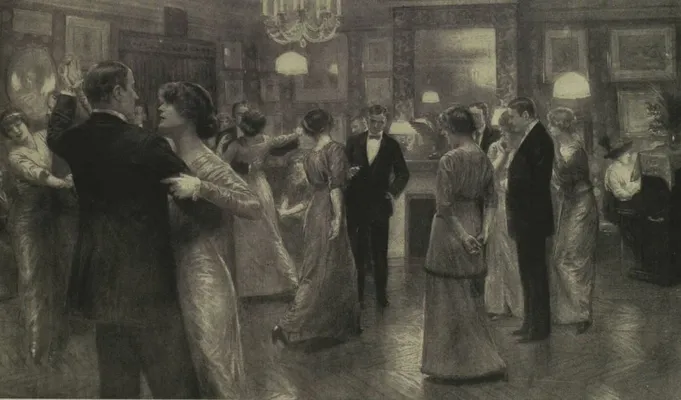
‘They name their dresses Tango, their hats Tango, their dogs Tango,’ so reports the Pall Mall Gazette in 1913 at the height of tango fever in London and in Paris.In this special blog, using articles and illustrations from The Archive, we explore the history of the tango, and how its popularity surged after its spread from along the Rio de la Plata in South America to the music halls, the stately homes and the dance floors of Europe.Origins of
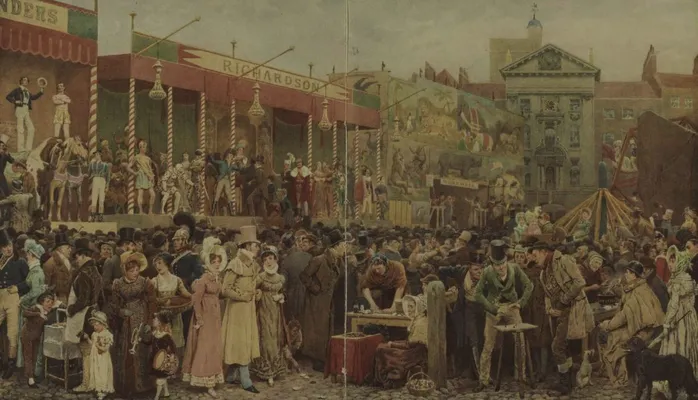
Using newspapers from The Archive, in this special blog we take a look at the history of Charter Fairs, from their inception in the medieval period to their continuation in twentieth century Britain.In his June 1955 article for The Sphere, entitled A Partial Eclipse of the Fair, Brian Vesey-Fitzgerald notes how ‘Fairs are of very ancient origin,’ and have been part of British life for thousands of years. A Charter Fair was a fair endorsed by the Crown. Crown-issued letters
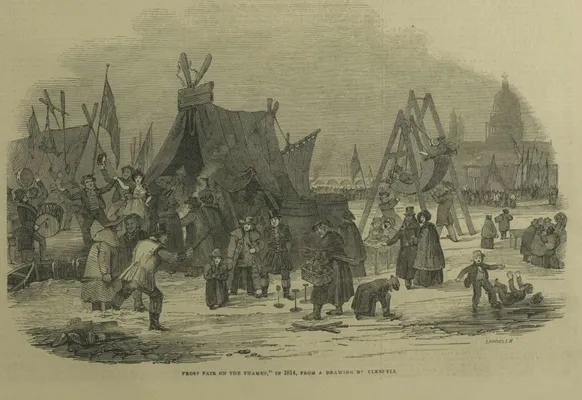
It was the winter of 1813-1814. Napoleon retreated from Moscow, and the Thames froze over between London Bridge and Blackfriars Bridge from 27th December 1813 to 5th February 1814. And onto the frozen surface of the river arrived the ‘Frost Fair,’ an event that continued a centuries old tradition, and proved to be the last of its type.Using the Archive, it is possible to discover some fascinating contemporary accounts of this last Frost Fair, and also, by searching newspapers of a later
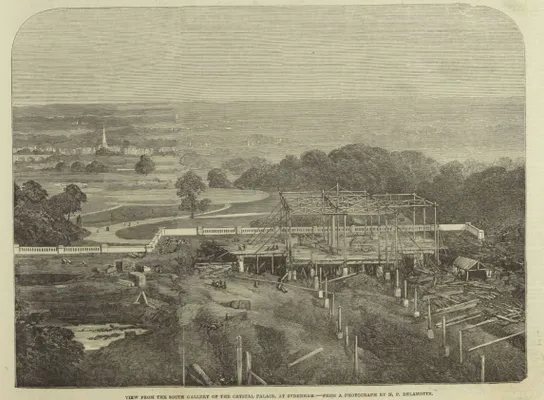
We are delighted to feature a guest post this week by Peter Manning, who used The Archive to research his new book Palace at the Palace – A History of The Crystal Palace & Its Football Club 1851-1915.My project started out as research into the Crystal Palace football teams that played at the old Crystal Palace at Sydenham, but the history that was revealed by searching the BNA’s archives was so interesting and so compelling that I ended up writing a book
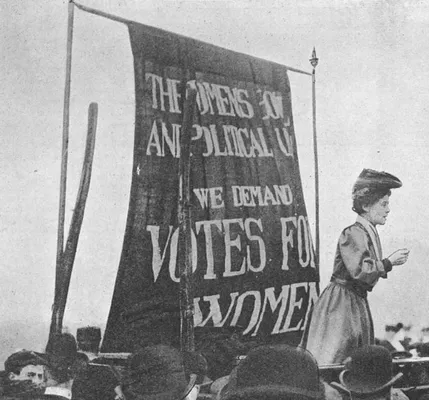
This past week we released 105,098 pages to The Archive.  In time for International Women’s Day we are thrilled to add nine new titles to our Suffragette Collection.  We have also  updated four existing titles including The Globe for which we now have editions spanning 1804 to 1921, and our recently added Scottish title The North Star and Farmer’s Chronicle for which we now have a run from 1893 to 1911.Our new titles represent the full spectrum of the feminist and suffrage movements, from
Alice Maud Mary Arncliffe-Sennett was an energetic militant suffragette, determined to fight for women’s suffrage even if that meant getting arrested and going against prominent leaders such as Emmeline Pankhurst and Milicent Fawcett.  Through the newspapers, we can find details about Arncliffe-Sennett’s life, career, and activism.Alice, or Maud as she was often called, lived in London and worked as an actress.  Her stage name was Mary Kingsley.  Here is a review by The Era of her performance as Lady