Skip to content

Search the blog

Tag: ocrTag: ghostsTag: london
I know a land where the wild flowers grow Near, near at hand if by train you go, Metro-land. Metro-land.The above pre-First World War verse written by George R Sims coined the phrase ‘Metro-land’ – that area of north west of Wembley served by what was then called the Metropolitan Railway, and is now known as the Metropolitan Line.In this blog, using articles found on the British Newspaper Archive, we will explore how the Metropolitan Railway shaped London’s suburbs,
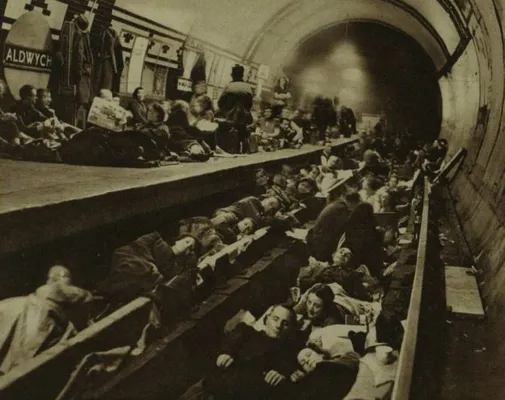
When the Blitz began on 7 September 1940, ‘It was the people of London who took command…Men, women, and children went straight to the safest place they could think of – the Underground stations.’In this special blog, over 80 years after the beginning of the Blitz, we take a look at how London’s main transport system – the Underground –  became a popular place of shelter for those seeking protection from the German bombing campaign, using an assortment of articles and photographs all to be
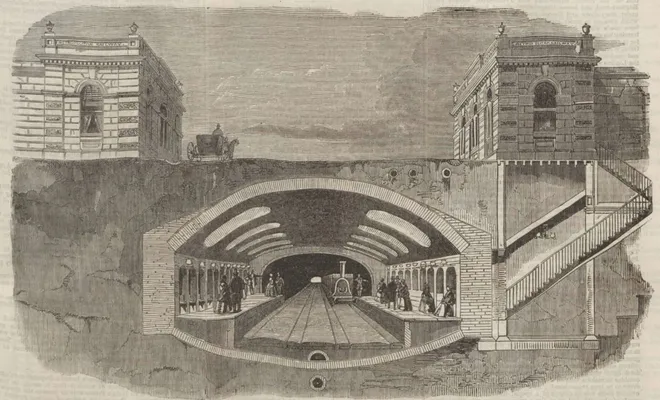
On 10 January 1863 the Metropolitan Railway was opened in London. An unprecedented feat of engineering, the Metropolitan Railway was the first underground railway in the world, forming the basis of the London underground and other global underground systems.In this special blog, we take a look at the historic first three days of the Metropolitan Railway’s existence, from its grand opening on Friday 10 January 1863, to the teething problems it encountered when it opened to the public on the Saturday and Sunday,
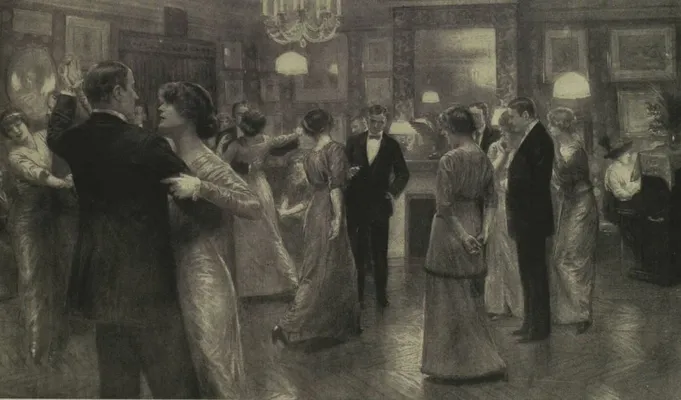
‘They name their dresses Tango, their hats Tango, their dogs Tango,’ so reports the Pall Mall Gazette in 1913 at the height of tango fever in London and in Paris.In this special blog, using articles and illustrations from The Archive, we explore the history of the tango, and how its popularity surged after its spread from along the Rio de la Plata in South America to the music halls, the stately homes and the dance floors of Europe.Origins of
This week we have added 48,988 pages to The Archive, with new pages covering both England and Scotland. We’re delighted to have updated four of our Scottish titles, with additions spanning the years between 1879 to 1981. We’ve also updated the Newcastle Journal, the Manchester Evening News, the Lichfield Mercury, the Wells Journal, and finally the Reading Evening Post.One of our Scottish titles to be updated this week is the Aberdeen Evening Express, to which we have added the years 1939-1945 and 1980-1981.Eighty
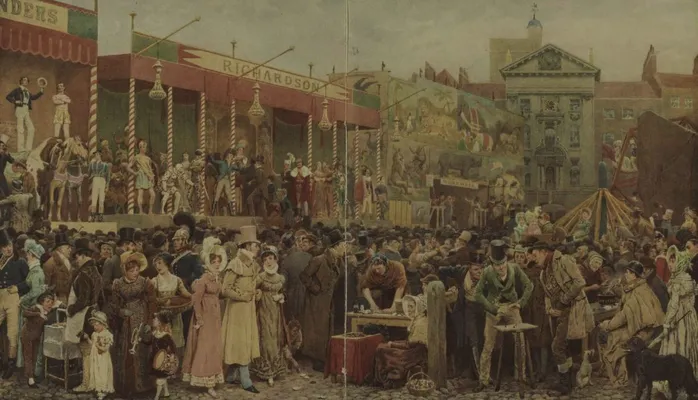
Using newspapers from The Archive, in this special blog we take a look at the history of Charter Fairs, from their inception in the medieval period to their continuation in twentieth century Britain.In his June 1955 article for The Sphere, entitled A Partial Eclipse of the Fair, Brian Vesey-Fitzgerald notes how ‘Fairs are of very ancient origin,’ and have been part of British life for thousands of years. A Charter Fair was a fair endorsed by the Crown. Crown-issued letters
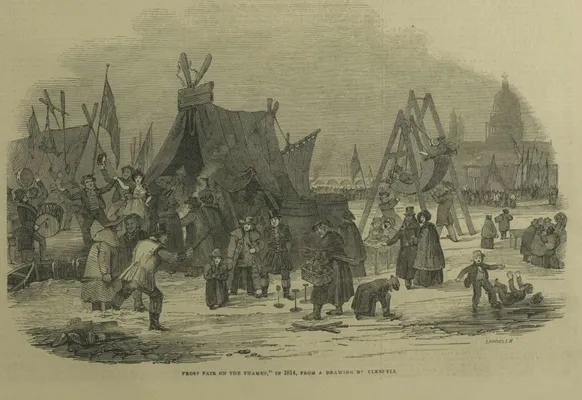
It was the winter of 1813-1814. Napoleon retreated from Moscow, and the Thames froze over between London Bridge and Blackfriars Bridge from 27th December 1813 to 5th February 1814. And onto the frozen surface of the river arrived the ‘Frost Fair,’ an event that continued a centuries old tradition, and proved to be the last of its type.Using the Archive, it is possible to discover some fascinating contemporary accounts of this last Frost Fair, and also, by searching newspapers of a later
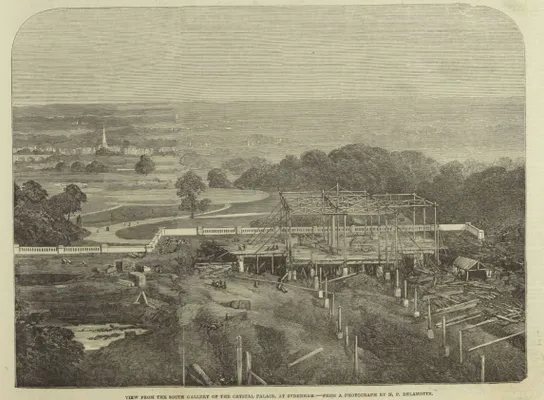
We are delighted to feature a guest post this week by Peter Manning, who used The Archive to research his new book Palace at the Palace – A History of The Crystal Palace & Its Football Club 1851-1915.My project started out as research into the Crystal Palace football teams that played at the old Crystal Palace at Sydenham, but the history that was revealed by searching the BNA’s archives was so interesting and so compelling that I ended up writing a book
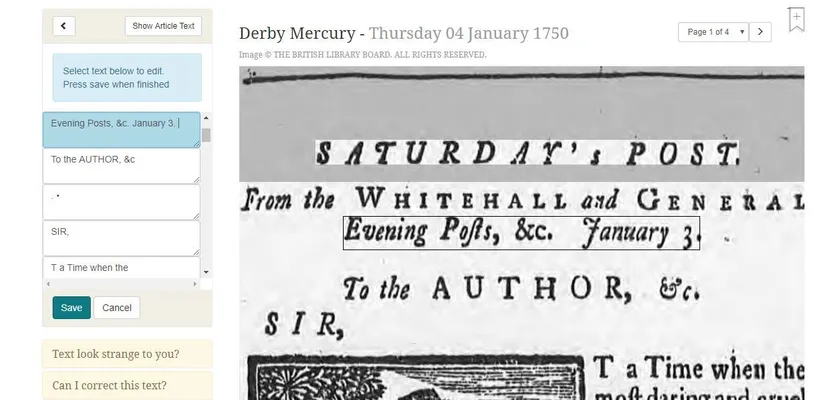
One of the features of The British Newspaper Archive is the OCR editing tool.  This allows every user to contribute to the improvement of The Archive.  OCR stands for Optical Character Recognition– the process we use to transform millions of digitised images into searchable text.   The computer takes an image of the page and then turns each line into text.  However, as many of us have encountered, the text is not always correct and needs improvement.  As a group, we
Haunted
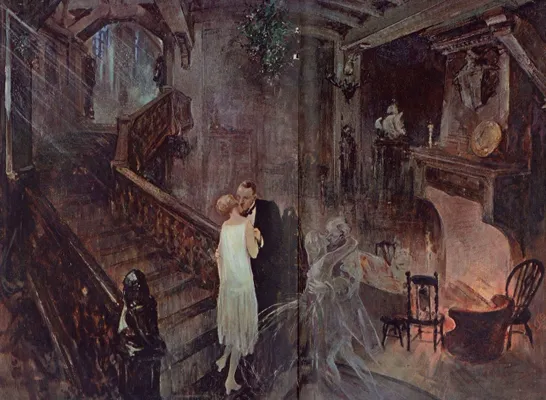
With Halloween approaching, we wanted to see what we could find related to the topic of hauntings in The British Newspaper Archive.Of children and hauntingsOften the origins of a haunting myth are rooted in death and loss. Sometimes the myth grows and morphs to such a point where its origin is indeterminate. Other times, the sad truth of its origin is unexpectedly revealed, as with the ‘grim discovery’ at a ‘haunted house’ in 1921, reported in The Scotsman.This