Skip to content

Search the blog

Tag: evening-despatchTag: london
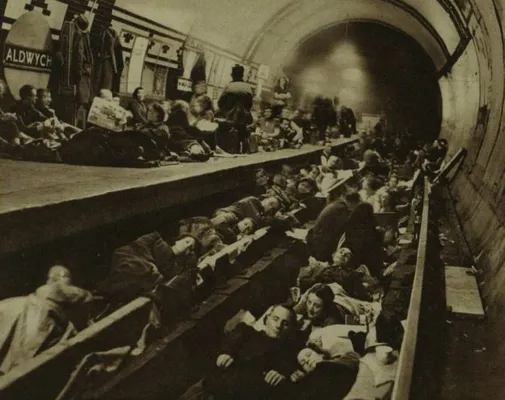
When the Blitz began on 7 September 1940, ‘It was the people of London who took command…Men, women, and children went straight to the safest place they could think of – the Underground stations.’In this special blog, over 80 years after the beginning of the Blitz, we take a look at how London’s main transport system – the Underground –  became a popular place of shelter for those seeking protection from the German bombing campaign, using an assortment of articles and photographs all to be
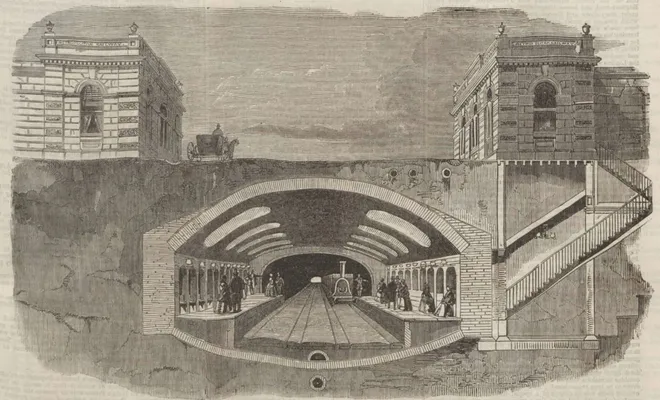
On 10 January 1863 the Metropolitan Railway was opened in London. An unprecedented feat of engineering, the Metropolitan Railway was the first underground railway in the world, forming the basis of the London underground and other global underground systems.In this special blog, we take a look at the historic first three days of the Metropolitan Railway’s existence, from its grand opening on Friday 10 January 1863, to the teething problems it encountered when it opened to the public on the Saturday and Sunday,
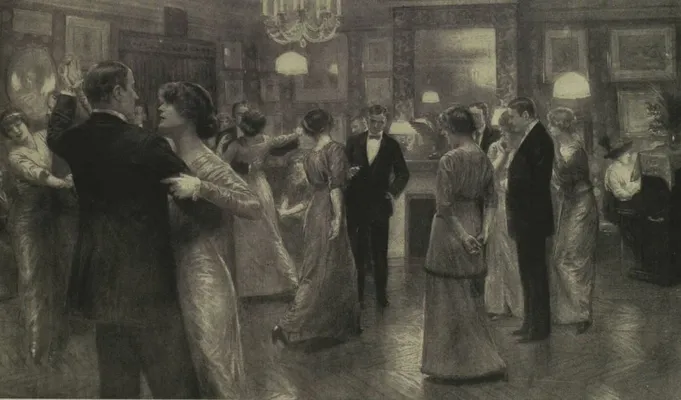
‘They name their dresses Tango, their hats Tango, their dogs Tango,’ so reports the Pall Mall Gazette in 1913 at the height of tango fever in London and in Paris.In this special blog, using articles and illustrations from The Archive, we explore the history of the tango, and how its popularity surged after its spread from along the Rio de la Plata in South America to the music halls, the stately homes and the dance floors of Europe.Origins of
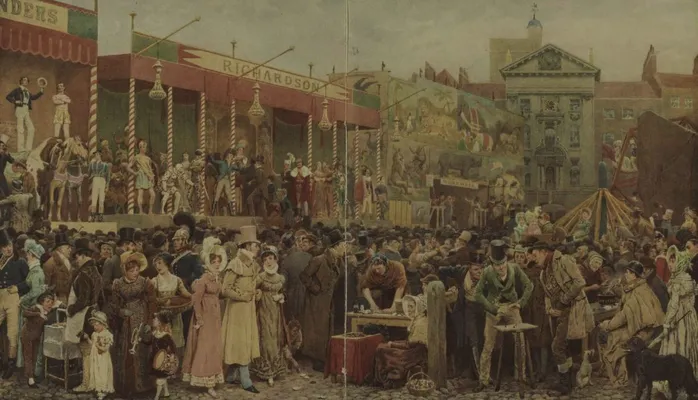
Using newspapers from The Archive, in this special blog we take a look at the history of Charter Fairs, from their inception in the medieval period to their continuation in twentieth century Britain.In his June 1955 article for The Sphere, entitled A Partial Eclipse of the Fair, Brian Vesey-Fitzgerald notes how ‘Fairs are of very ancient origin,’ and have been part of British life for thousands of years. A Charter Fair was a fair endorsed by the Crown. Crown-issued letters
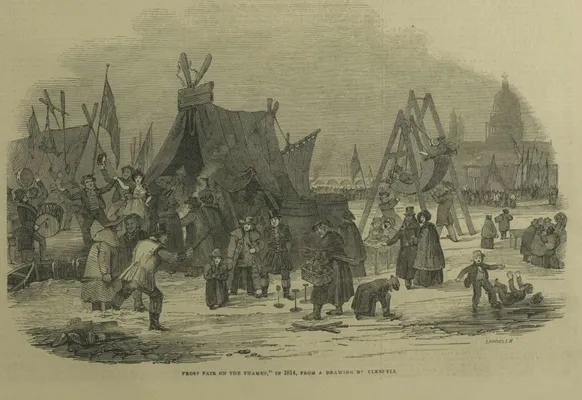
It was the winter of 1813-1814. Napoleon retreated from Moscow, and the Thames froze over between London Bridge and Blackfriars Bridge from 27th December 1813 to 5th February 1814. And onto the frozen surface of the river arrived the ‘Frost Fair,’ an event that continued a centuries old tradition, and proved to be the last of its type.Using the Archive, it is possible to discover some fascinating contemporary accounts of this last Frost Fair, and also, by searching newspapers of a later
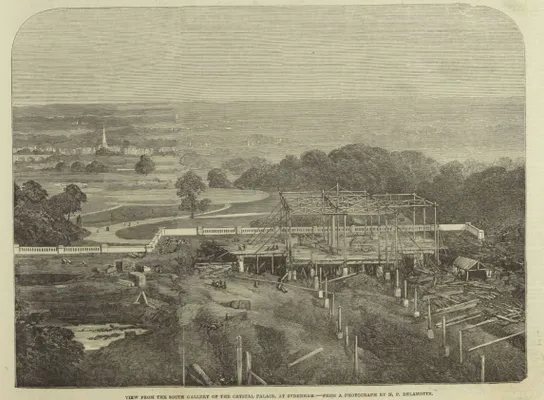
We are delighted to feature a guest post this week by Peter Manning, who used The Archive to research his new book Palace at the Palace – A History of The Crystal Palace & Its Football Club 1851-1915.My project started out as research into the Crystal Palace football teams that played at the old Crystal Palace at Sydenham, but the history that was revealed by searching the BNA’s archives was so interesting and so compelling that I ended up writing a book
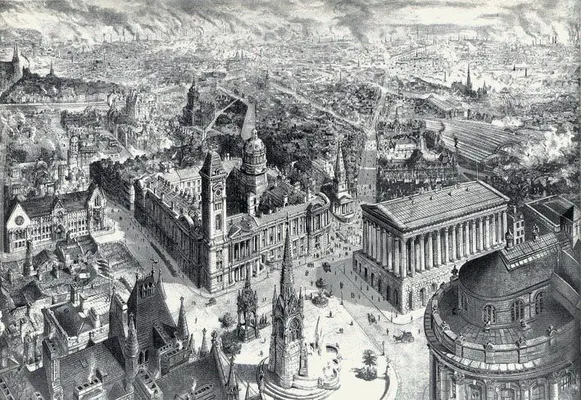
The British Newspaper Archive is an unrivalled resource when it comes to tracing local history. Where else would you find millions of forgotten stories from your street, town or city all documented and ready to be discovered? Take Birmingham for example. The Archive contains over 50,000 pages and and a varied range of titles from the UK’s ‘Second City’ and this guide will show you how to make the most of them.Register now and view Birmingham newspapers for FREEYou
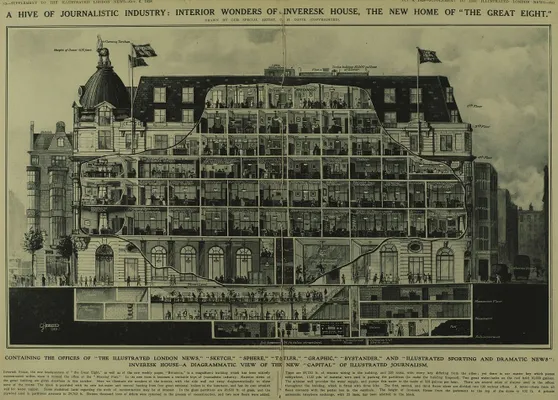
The Illustrated London News, the world’s first illustrated newspaper, debuted in 1842.  Over the decades, the publishers expanded into the ‘great 8’ titles: Sketch, Sphere, Tatler, Graphic, Bystander, Illustrated Sporting and Dramatic News, and Britannia and Eve.  In 1928, the Illustrated London News published an illustration of the interior of their own offices at Inveresk House, ‘a hive of journalistic industry’.Discover more about the history of the Illustrated London NewsIn the image, you can see the offices of the individual editors
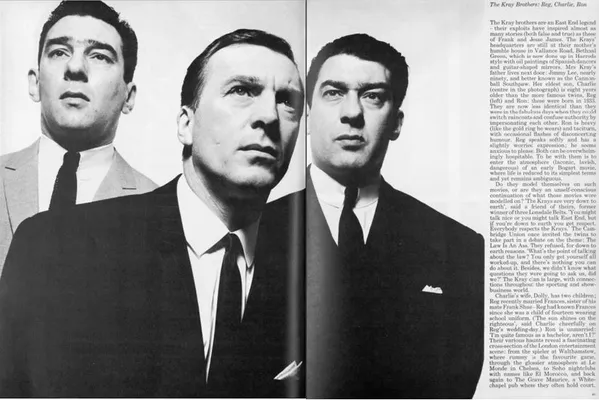
Kray twins portraits
Throughout the month of October, The British Newspaper Archive will take a closer look at stories of crime, courts, and punishment in the papers.  We have pulled together some headlines from the month of October including a riot, a case of arsenic poisoning, a couple of London’s notorious criminals, and a political crime.Register now!4 October 1936The Battle of Cable Street took place in London’s East End on the day of a scheduled march by Oswald Mosley’s right wing organisation
This week The British Newspaper Archive is thrilled to announce the release of a brand new title, The Atlas or, in its full form, The Atlas and General Newspaper and Journal of Literature.  The size of the paper caused a sensation when it first came out.  The London based newspapers was printed on 40cm sheets, double the size of average papers, making it the largest newspaper.  Its size was reflected in the price of 10d, which would be close to £5