Skip to content

Search the blog

Tag: blitzTag: murderTag: london
This week we have added 75,078 brand new pages to our collection, with a trio of very special brand new titles joining us over the past seven days from across England, Ireland and Northern Ireland.So read on to discover more about the new titles of the week, as well as to discover which of our existing titles we have added new pages to. Also, this week we will take a moment to remember the Matchgirls’ Strike of 1888, an early industrial
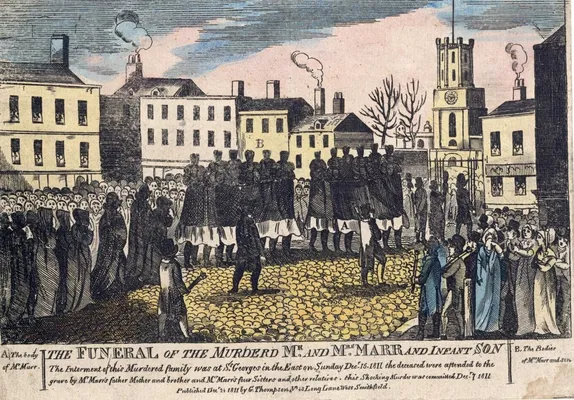
In December, 1811, all London was convulsed with terror at the tidings of the horrible slaughter wreaked at 29 Ratcliff Highway and 81 New Gravel Lane, and soon, from the Prince Regent’s table at Carlton House to the tap-room of the lowest dram-shop in Wapping, the hideous subject engrossed all.Ally Sloper’s Half Holiday, 27 August 1887These murders, now generally referred to as the Ratcliff Highway Murders, represent one of the bloodiest chapters in British crime history, and might have been the crime of
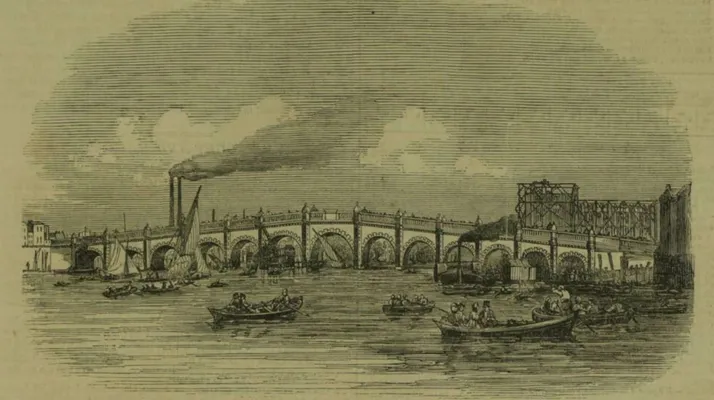
‘The foulest nuisance that ever disgraced the annals of a nation,’ the condition of the Thames in the summer of 1858 had reached a crisis point. Bloated with sewage and other effluence from the world’s second largest city, the Thames had become a ‘pestilential stream,’ emitting a putrid odour that was dubbed the ‘Great Stink.’Westminster Bridge | Illustrated London News | 21 October 1843In this special blog, we shall uncover the true state of the Thames, as it was in the June and
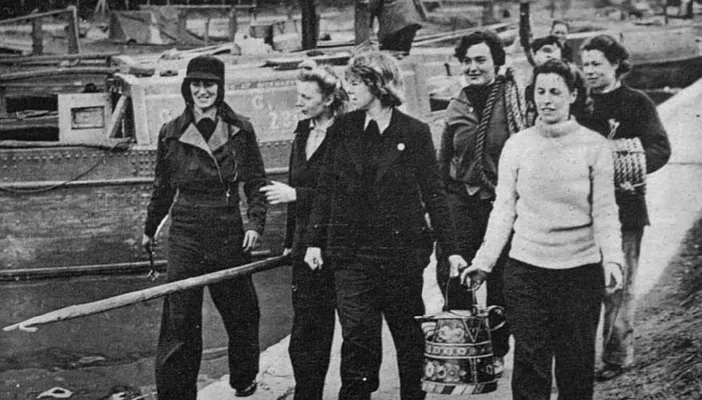
Nicknamed the ‘Idle Women,’ although they were about as far from idle as anybody could possibly be, the women canal workers of the Second World War performed vital war work which is all but forgotten today, some seventy years later.Some of the ‘Idle women’ arriving at a canal dock | The Sphere | 15 April 1944The curious name of ‘Idle Women’ came from the badges that these pioneering women wore, with the initials ‘IW,’ which stood for ‘Inland Waterways’. This moniker, given
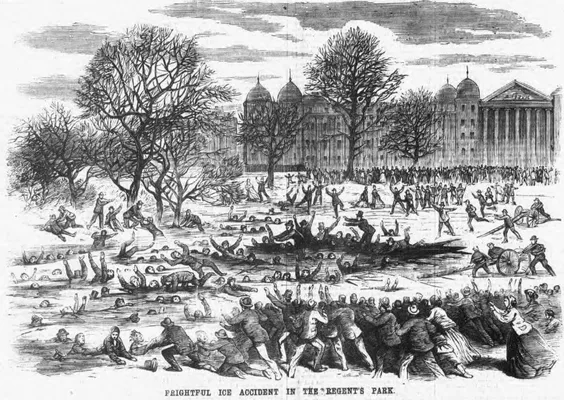
On 16 January 1867 Regent’s Park in London was witness to the worst ice-skating tragedy in British history. In this special blog post, we take a look at how the newspapers in our Archive can help us understand exactly what happened that day, by hearing from the voices of those who were caught up in the catastrophe.In the Luton Times & Advertiser, 19 January 1867, the following is described:At about a quarter-past four, when a large number of persons were skating and sliding
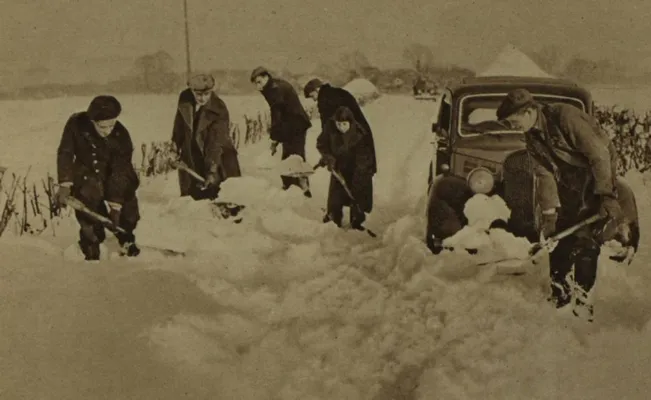
Nowadays, a single snowflake is enough to send the country into a panic, but in the nineteenth and twentieth centuries Britain faced freezing weather that brought with it extreme snowfall to all corners of the land.‘A wintry scene in Kent’ | Illustrated London News | 8 February 1947And so, using newspapers from our Archive, will we take a look at how such extreme snowfall impacted Britain, how it disrupted the nation’s communication system, from the early days of the mail coaches, through
This week at The Archive we have added nearly 180 years of historic headlines, with 167,302 brand new pages joining us, spanning the years 1820 all the way through to 1999. We have four very exciting new titles joining us this week too, with additions to our collection of international newspapers, as well as to our Irish and national holdings.Read on to discover more about our new titles, the updates we have made to our existing publications, as well as one of the
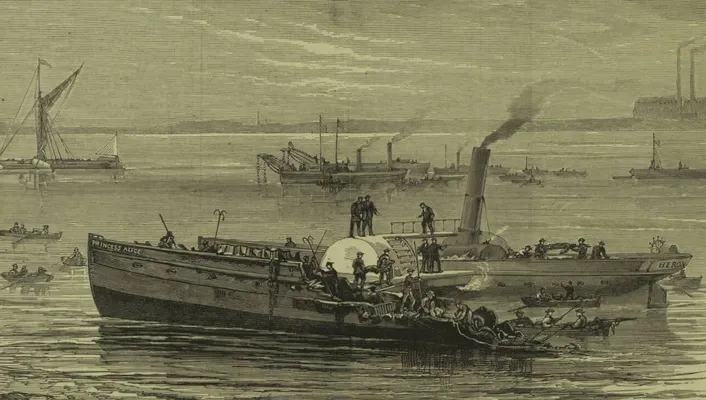
‘Perhaps the most terrible catastrophe that ever occurred on the Thames took place last night,’ writes the Greenock Telegraph and Clyde Shipping Gazette on 4 September 1878, ‘when the saloon steamboat Princess Alice, with about eight hundred passengers, was run down by a passing screw-steamer.’This tragic incident, representing the largest loss of life on Britain’s inland waterways, saw pleasure steamer the Princess Alice, laden with London day-trippers, cut almost in three as she collided with collier Bywell Castle.The Princess Alice
This week the presses continue to whir, and we have added 129,872 brand new pages to our collection. Our additions this week are to Britain’s longest-running tabloid newspaper the Daily Mirror, to which we have added over 100,000 colour pages spanning the years 1923 through to 1986, and to the Glamorgan Gazette, which covers the central Glamorgan area. Founded in 1894, it continues to be published to this day.Register now and explore the ArchiveFor anyone with an interest in crime history, the British
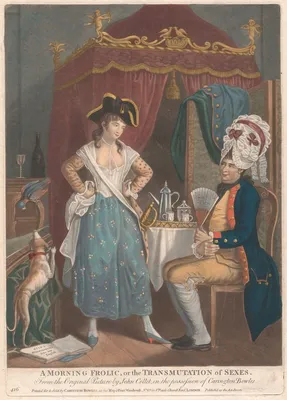
June is Pride Month. At The Archive, we are delving into the newspapers and pulling out the breadth of LGBTQ history available.Register now and explore The Archive18th Century Gay Subculture18th century London was home to a flourishing gay subculture with Molly Houses at the centre of the social scene. ‘Molly’ was a slur used for effeminate, homosexual men and the term was adopted to describe the clubs, taverns, inns, or coffee houses where they met up in