Skip to content

Search the blog

Tag: ocrTag: murderTag: crime
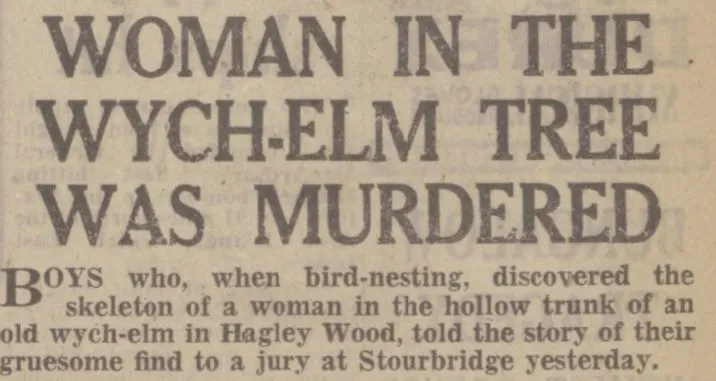
The discovery of skeletal remains in a wych elm tree during the April of 1943 remains one of the most compelling mysteries of British crime history. Who was the woman whose remains were found in the wych elm tree? Who was responsible for the perplexing graffiti which began to appear a year after the discovery? Was espionage or witchcraft involved? Using pages from the Archive, we dive into this fascinating story, which, as the Sunday Mirror comments in 1944, is ‘as fantastic
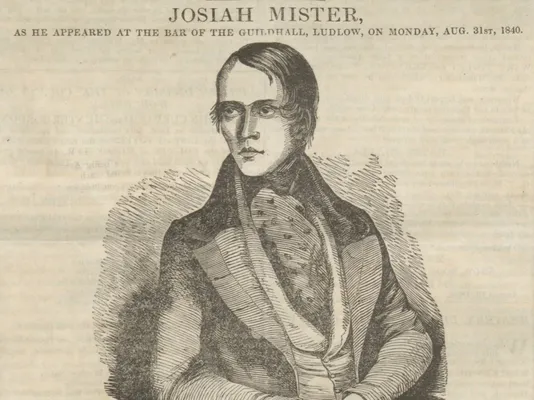
It’s 1841 and Josiah Mister is on trial in Shrewsbury for attempted murder – committed at the Angel Inn in Ludlow.The victim was William Mackreth, a trader from Bristol who was in the town for the summer fair. In the early hours of the morning, he was brutally attacked by someone who’d been hiding under his bed. He managed to fight him off and his assailant escaped; a trail of blood led to Josiah’s room and he was arrested.But did
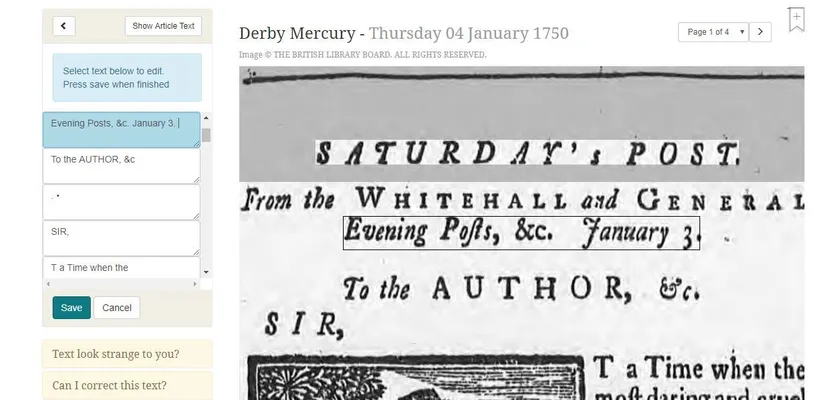
One of the features of The British Newspaper Archive is the OCR editing tool.  This allows every user to contribute to the improvement of The Archive.  OCR stands for Optical Character Recognition– the process we use to transform millions of digitised images into searchable text.   The computer takes an image of the page and then turns each line into text.  However, as many of us have encountered, the text is not always correct and needs improvement.  As a group, we
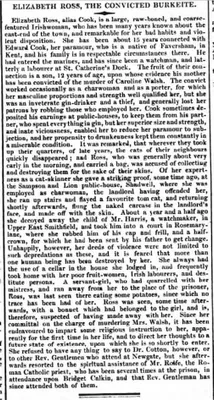
Elizabeth Ross, the convicted burkeite
The British Newspaper Archive is proud to feature a guest blog by author Naomi Clifford.  In 2016, Naomi Clifford wrote The Disappearance of Maria Glenn, a story of crime and coercion about the abduction of a sugar plantation heiress.  This year, Clifford is back with a new book, Women and the Gallows 1797-1837: Unfortunate Wretches. Her research into the 131 women hanged in England and Wales involved extensive research in the British Newspaper Archive.  Eliza Ross is just one name featured in the
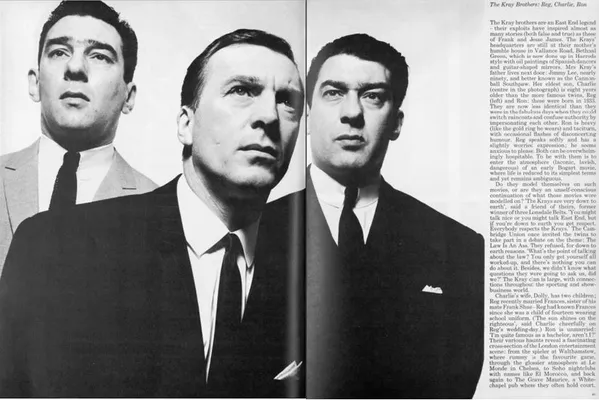
Kray twins portraits
Throughout the month of October, The British Newspaper Archive will take a closer look at stories of crime, courts, and punishment in the papers.  We have pulled together some headlines from the month of October including a riot, a case of arsenic poisoning, a couple of London’s notorious criminals, and a political crime.Register now!4 October 1936The Battle of Cable Street took place in London’s East End on the day of a scheduled march by Oswald Mosley’s right wing organisation
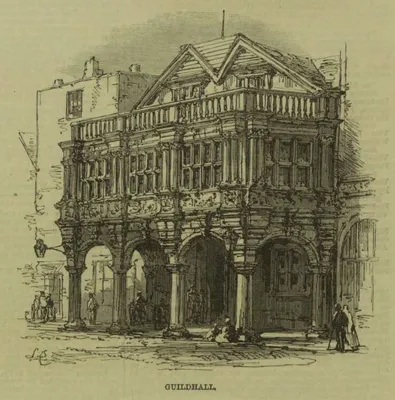
The British Newspaper Archive is excited to present a guest blog by David Cornforth.  David is the author if Exeter Pubs, which offers a captivating glimpse into the history of some of Exeter’s most famous pubs.  He also created the local history website Exeter Memories.When I became interested in local history a dozen years ago, I read many books, and spent much time in local archives trawling bound copies of newspapers and other documents. My interest expanded into a
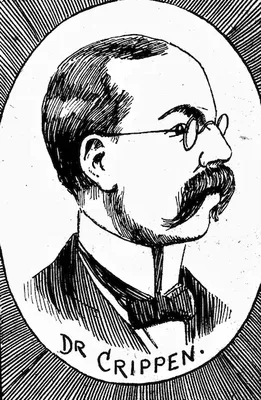
Dr Crippen
On 31 July 1910, Hawley Harvey Crippen, better known as Dr Crippen, and Ethel Le Neve, his typist-turned-lover, were arrested on board the Montrose while trying to flee west to Canada. On top of being a sensational case and arrest, it was the first example of an arrest aided by wireless telegraphy.A cross-Atlantic chase of a fleeing couple is an apt ending to our July theme of travel and migration. When you ask yourself why your ancestor or the subject of
In case you’re tempted to take out a “Lonely Hearts” ad this Valentine’s Day, be warned: according to the newspaper archive you’d be wise to stay vigilant.Search the newspapersIn fact, as the Aberdeen Journal suggested in 1949: Aberdeen Journal – Monday 07 March 1949© THE BRITISH LIBRARY BOARD. ALL RIGHTS RESERVED. Unfortunately, the famous Lonely Hearts murders in New York were not an isolated incident.William Sanchez d’Epina Hepper was born in Gibraltar in 1891. He spent most of his life living in
While researching her new book Regency Spies (published by Pen & Sword this month), Sue Wilkes uncovered the story of a desperate plot to kill George III and overthrow the British government…Colonel Despard (1751–1803) has gone down in history as the leader of a wildly impractical, hopeless scheme. Despard was the leader of a group known as the United Britons, which had links with rebel Irishmen. Unfortunately for their plans, some members of the group were government spies, who reported their
Crime & the Blitz
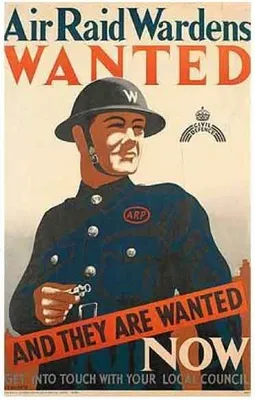
The bombing of civilian targets in Britain during the Second World War is now commonly referred to as ‘The Blitz’. The song ‘All Stick Together’ released by Ralph Butler in 1939 summarised the need for Britain to pull together as a nation against the threat of an invasion, and the ‘Blitz Spirit’ has gone down in history and is still invoked today in times of strife.  However, whilst the vast majority of the population may have been sticking together, there were