Skip to content

Search the blog

Tag: murderTag: suffrageTag: traditions
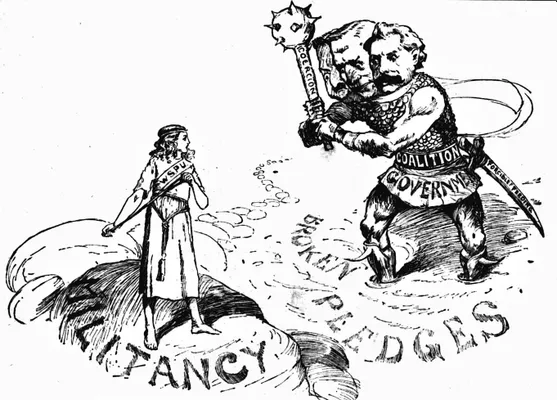
This year, 2018, is the 100 year anniversary of the Representation of the People Act 1918.  The Act which gave propertied women over the age of thirty, and all men over the age of twenty-one, the right to vote.  Over the course of 2018 we aim to digitise several suffragette and women’s newspapers.  These papers will allow us to explore the suffrage movement, and the social sphere of the women who campaigned for the right to vote.We are delighted to be able to
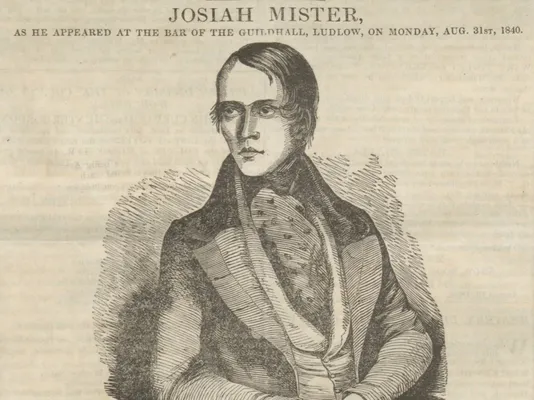
It’s 1841 and Josiah Mister is on trial in Shrewsbury for attempted murder – committed at the Angel Inn in Ludlow.The victim was William Mackreth, a trader from Bristol who was in the town for the summer fair. In the early hours of the morning, he was brutally attacked by someone who’d been hiding under his bed. He managed to fight him off and his assailant escaped; a trail of blood led to Josiah’s room and he was arrested.But did
Black cat
Of witches and witchcraftAs we kick off our Halloween celebrations and delve into the history, contained within the newspapers, of witches and witchcraft (and supernatural beings), it is imperative that we preface this — perhaps unnecessarily — with an important disclaimer and reminder: witches, in the sense of practitioners of malevolent powers to do evil works, never existed. Those persecuted during the sixteenth century and onward were, more often than not, local healers and midwives.In 1562, Queen Elizabeth passed the law
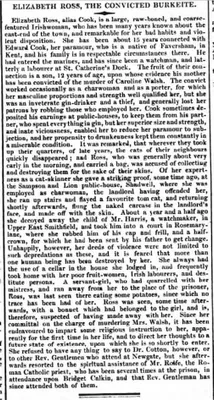
Elizabeth Ross, the convicted burkeite
The British Newspaper Archive is proud to feature a guest blog by author Naomi Clifford.  In 2016, Naomi Clifford wrote The Disappearance of Maria Glenn, a story of crime and coercion about the abduction of a sugar plantation heiress.  This year, Clifford is back with a new book, Women and the Gallows 1797-1837: Unfortunate Wretches. Her research into the 131 women hanged in England and Wales involved extensive research in the British Newspaper Archive.  Eliza Ross is just one name featured in the
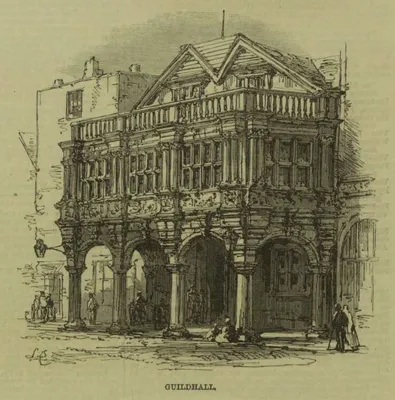
The British Newspaper Archive is excited to present a guest blog by David Cornforth.  David is the author if Exeter Pubs, which offers a captivating glimpse into the history of some of Exeter’s most famous pubs.  He also created the local history website Exeter Memories.When I became interested in local history a dozen years ago, I read many books, and spent much time in local archives trawling bound copies of newspapers and other documents. My interest expanded into a
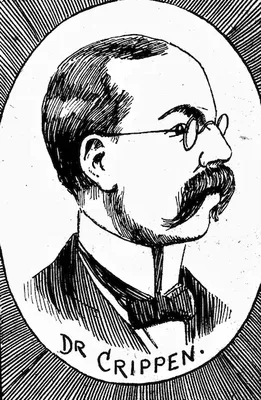
Dr Crippen
On 31 July 1910, Hawley Harvey Crippen, better known as Dr Crippen, and Ethel Le Neve, his typist-turned-lover, were arrested on board the Montrose while trying to flee west to Canada. On top of being a sensational case and arrest, it was the first example of an arrest aided by wireless telegraphy.A cross-Atlantic chase of a fleeing couple is an apt ending to our July theme of travel and migration. When you ask yourself why your ancestor or the subject of
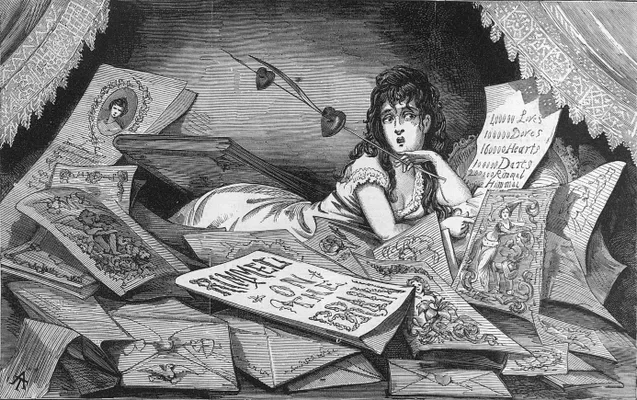
Valentine’s Day in its present iteration is inexorably linked to both romantic love and commercialism. It inspires strong feelings, both for and against this day of chocolate boxes and heart-shaped cards. However, the day and its traditions have not been static. In performing a simple search for ‘Valentine’s Day’ on The British Newspaper Archive, you can start to see the ways in which the holiday — and its reception — have changed (and, occasionally, stayed the same) over the years.An 1845 description
It’s hard to believe, but The British Newspaper Archive has now reached the grand old age of three. We launched on 29 November 2011 with 4 million fully searchable historic newspaper pages and have come a long way since then.Please click the image to enlarge itA treasure trove of informationYou can now search more than 9 million pages, from over 300 British and Irish newspaper titles, spanning 1710-1954. Reading all of those pages would be no mean feat – we’ve estimated that it would