Skip to content

Search the blog

Tag: murderTag: literatureTag: blitz
This week we have added 70,450 new pages to The Archive, with two new and very important titles joining us from home and abroad.We have added an extensive run of pages to the Westminster Gazette, which was seen by some as ‘the most powerful paper in Britain.’ Established in 1893 by E.T. Cook, the Westminster Gazette was a liberal newspaper, which found its audience in London’s gentlemen’s clubs and was consequently known as a ‘clubland paper.’ Despite this audience being small,
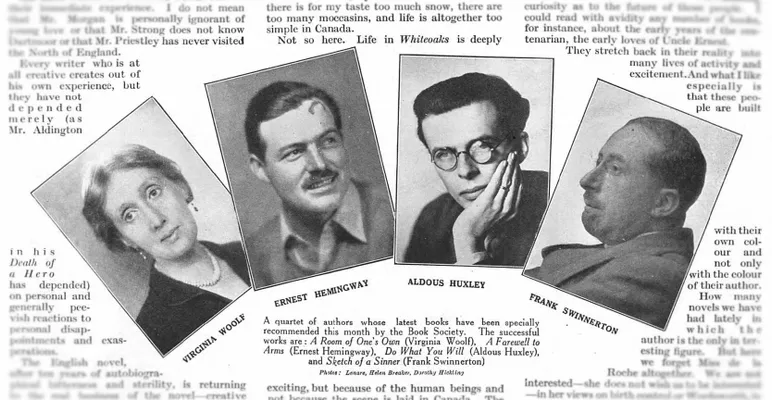
Novelist Edwin Muir attempted in 1926 to identify those writers who were ‘influencing the development of literature’ (Nottingham Journal, October 1926) in a series of essays entitled Transition. His choices, which included Virginia Woolf, James Joyce and D.H. Lawrence, amongst others, survived the test of time and as such represent the most celebrated authors of the modernist period.Graphic | 26 October 1929Using reviews taken from the pages of the British Newspaper Archive, and limiting our search to only those written in the 1920s,
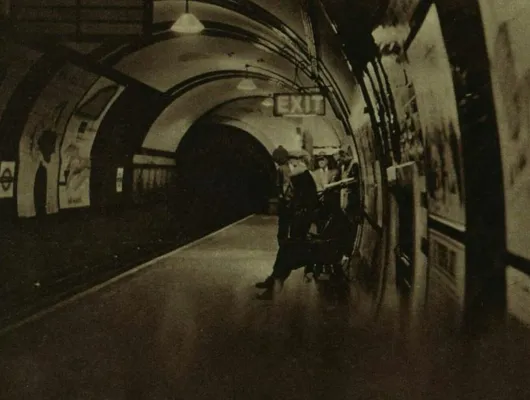
Reading like a 1950s noire novel, or a Cold War thriller from the pen of John le Carré, the murder of Polish aristocrat Countess Teresa Lubienska on the platform of Gloucester Road Underground station shocked the nation, and provoked a massive man hunt that saw 18,000 people interviewed over the following months.Belfast Telegraph | 25 May 1957Using contemporary articles found in the British Newspaper Archive, we explore the circumstances of Countess Lubienska’s murder, the possible motives behind her killing, and the efforts
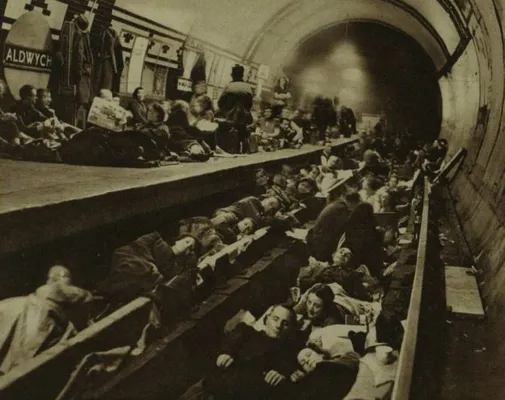
When the Blitz began on 7 September 1940, ‘It was the people of London who took command…Men, women, and children went straight to the safest place they could think of – the Underground stations.’In this special blog, over 80 years after the beginning of the Blitz, we take a look at how London’s main transport system – the Underground –  became a popular place of shelter for those seeking protection from the German bombing campaign, using an assortment of articles and photographs all to be
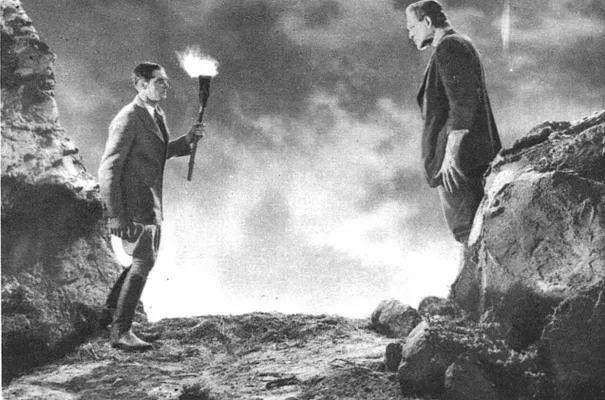
2018 marks the 200th anniversary of the publication of Mary Shelley’s Frankenstein, the iconic novel about the young scientist, Victor Frankenstein, and the monster he created in his laboratory.  In this post, we will take a look at the history of the novel, a critical early review, the novel’s origins, and its various adaptations for the stage and screen.PublicationThe Morning Post printed a notice of the publication of a new novel, ‘Frankenstein, or The Modern Prometheus’, by an anonymous
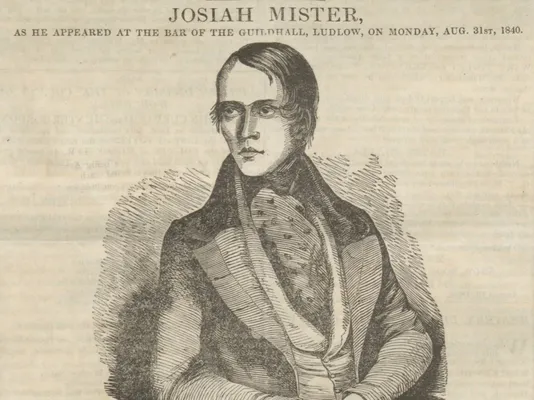
It’s 1841 and Josiah Mister is on trial in Shrewsbury for attempted murder – committed at the Angel Inn in Ludlow.The victim was William Mackreth, a trader from Bristol who was in the town for the summer fair. In the early hours of the morning, he was brutally attacked by someone who’d been hiding under his bed. He managed to fight him off and his assailant escaped; a trail of blood led to Josiah’s room and he was arrested.But did
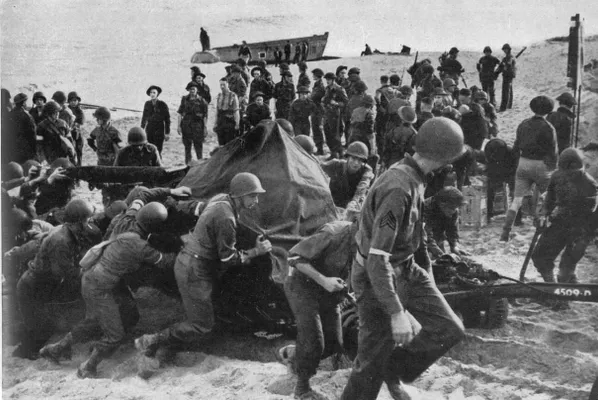
American troops
In honour of Remembrance Day, during the month of November, The British Newspaper Archive will be focusing our attention on military in the newspapers.  Coming up this month we will feature blogs about our special military titles, researching military history, women and war, and wartime rationing and fashion, as well as a guest blog about a remarkable Great War discovery from The Archive.  To begin our military month, we are delving into the newspaper headlines through the years for the
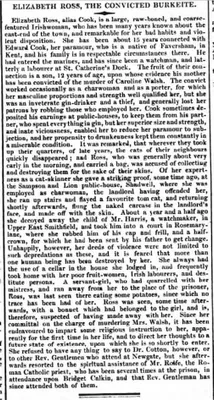
Elizabeth Ross, the convicted burkeite
The British Newspaper Archive is proud to feature a guest blog by author Naomi Clifford.  In 2016, Naomi Clifford wrote The Disappearance of Maria Glenn, a story of crime and coercion about the abduction of a sugar plantation heiress.  This year, Clifford is back with a new book, Women and the Gallows 1797-1837: Unfortunate Wretches. Her research into the 131 women hanged in England and Wales involved extensive research in the British Newspaper Archive.  Eliza Ross is just one name featured in the
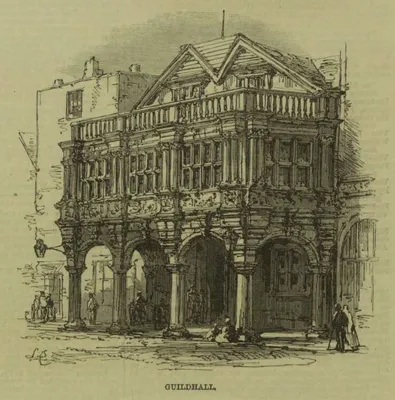
The British Newspaper Archive is excited to present a guest blog by David Cornforth.  David is the author if Exeter Pubs, which offers a captivating glimpse into the history of some of Exeter’s most famous pubs.  He also created the local history website Exeter Memories.When I became interested in local history a dozen years ago, I read many books, and spent much time in local archives trawling bound copies of newspapers and other documents. My interest expanded into a
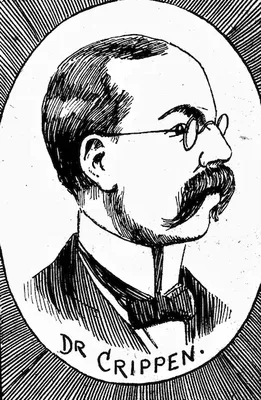
Dr Crippen
On 31 July 1910, Hawley Harvey Crippen, better known as Dr Crippen, and Ethel Le Neve, his typist-turned-lover, were arrested on board the Montrose while trying to flee west to Canada. On top of being a sensational case and arrest, it was the first example of an arrest aided by wireless telegraphy.A cross-Atlantic chase of a fleeing couple is an apt ending to our July theme of travel and migration. When you ask yourself why your ancestor or the subject of