Skip to content

Search the blog

Tag: murderTag: 1920sTag: blitz
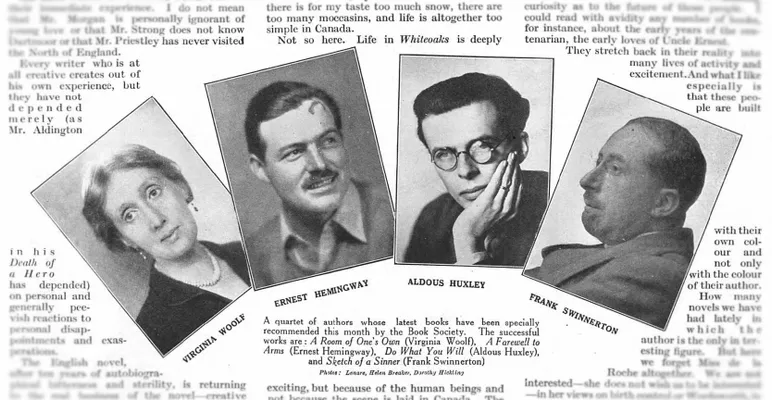
Novelist Edwin Muir attempted in 1926 to identify those writers who were ‘influencing the development of literature’ (Nottingham Journal, October 1926) in a series of essays entitled Transition. His choices, which included Virginia Woolf, James Joyce and D.H. Lawrence, amongst others, survived the test of time and as such represent the most celebrated authors of the modernist period.Graphic | 26 October 1929Using reviews taken from the pages of the British Newspaper Archive, and limiting our search to only those written in the 1920s,
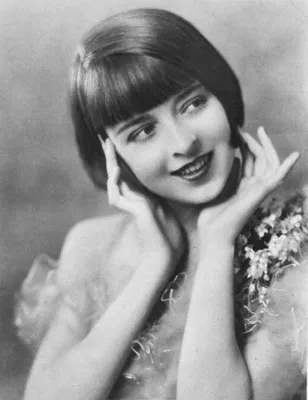
‘Short hair is not a whim of fashion; it is significant for an adaptation to modern existence,’ so proclaimed hairdresser Monsieur Eugène in 1929 (Britannia and Eve, August 1929).In this special blog, using pages from the British Newspaper Archive, we explore one of the most iconic fashions of the 1920s – the bob. We look at its cultural impact, its most famous wearers, and how women achieved and maintained the perfect bobbed style.Want to learn more? Register now and explore The
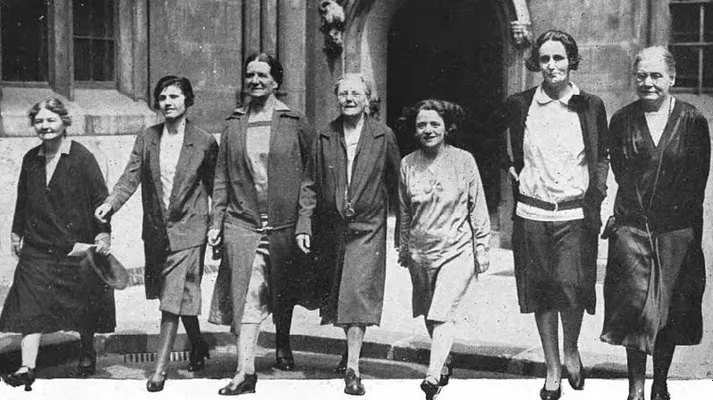
The 1920s were time of greater freedoms and liberation for women. They cropped their hair, their dresses got shorter and shorter; it was socially acceptable for them to drive, drink and smoke. But such freedoms would not have been possible without the pioneering women who not only shaped the decade, but the many years to come.Graphic | 27 July 1929In this special blog, using the British Newspaper Archive, we take a look at five of these remarkable women and their work.
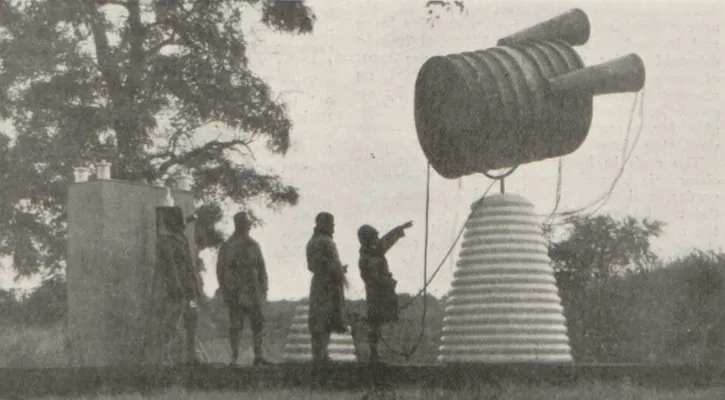
The 1920s were a decade of firsts and innovations, and many of the things we take for granted today have their roots in this eventful decade. From televisions to fridges, from roller coasters to Branston Pickle, from crosswords to death rays, we take a look at just a few of the brilliant and bizarre inventions that stemmed from the 1920s – using advertisements and articles from the British Newspaper Archive.Want to learn more? Register now and explore The Archive1. TELEVISION
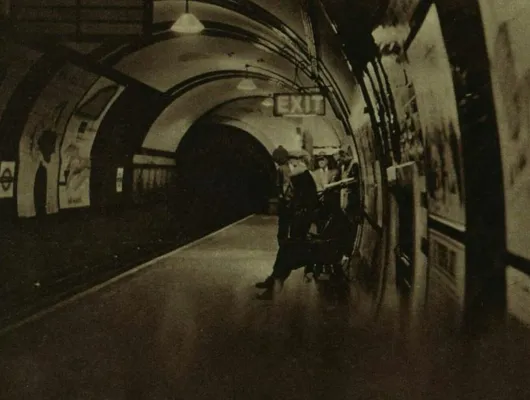
Reading like a 1950s noire novel, or a Cold War thriller from the pen of John le Carré, the murder of Polish aristocrat Countess Teresa Lubienska on the platform of Gloucester Road Underground station shocked the nation, and provoked a massive man hunt that saw 18,000 people interviewed over the following months.Belfast Telegraph | 25 May 1957Using contemporary articles found in the British Newspaper Archive, we explore the circumstances of Countess Lubienska’s murder, the possible motives behind her killing, and the efforts
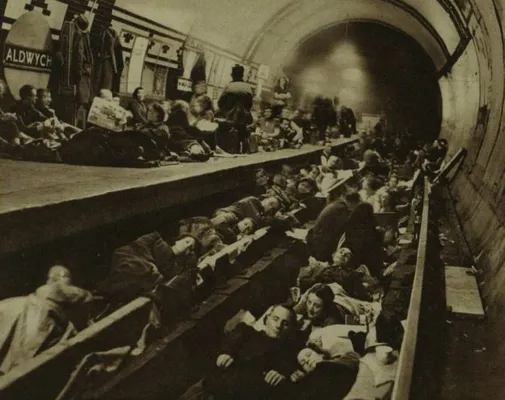
When the Blitz began on 7 September 1940, ‘It was the people of London who took command…Men, women, and children went straight to the safest place they could think of – the Underground stations.’In this special blog, over 80 years after the beginning of the Blitz, we take a look at how London’s main transport system – the Underground –  became a popular place of shelter for those seeking protection from the German bombing campaign, using an assortment of articles and photographs all to be
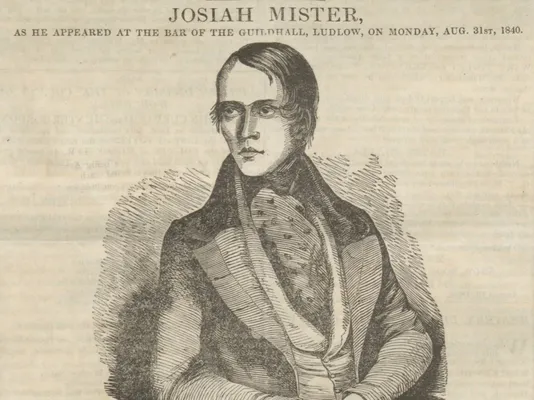
It’s 1841 and Josiah Mister is on trial in Shrewsbury for attempted murder – committed at the Angel Inn in Ludlow.The victim was William Mackreth, a trader from Bristol who was in the town for the summer fair. In the early hours of the morning, he was brutally attacked by someone who’d been hiding under his bed. He managed to fight him off and his assailant escaped; a trail of blood led to Josiah’s room and he was arrested.But did
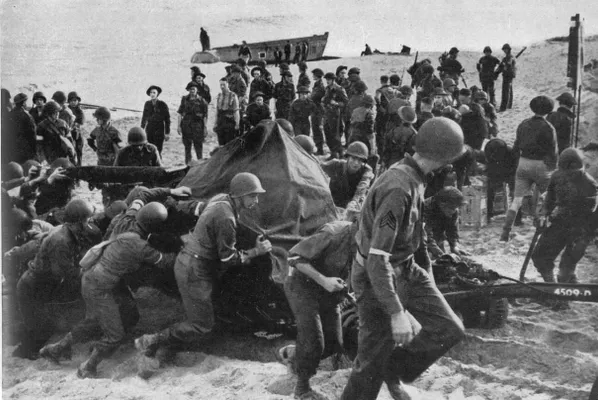
American troops
In honour of Remembrance Day, during the month of November, The British Newspaper Archive will be focusing our attention on military in the newspapers.  Coming up this month we will feature blogs about our special military titles, researching military history, women and war, and wartime rationing and fashion, as well as a guest blog about a remarkable Great War discovery from The Archive.  To begin our military month, we are delving into the newspaper headlines through the years for the
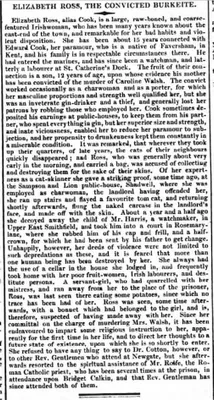
Elizabeth Ross, the convicted burkeite
The British Newspaper Archive is proud to feature a guest blog by author Naomi Clifford.  In 2016, Naomi Clifford wrote The Disappearance of Maria Glenn, a story of crime and coercion about the abduction of a sugar plantation heiress.  This year, Clifford is back with a new book, Women and the Gallows 1797-1837: Unfortunate Wretches. Her research into the 131 women hanged in England and Wales involved extensive research in the British Newspaper Archive.  Eliza Ross is just one name featured in the
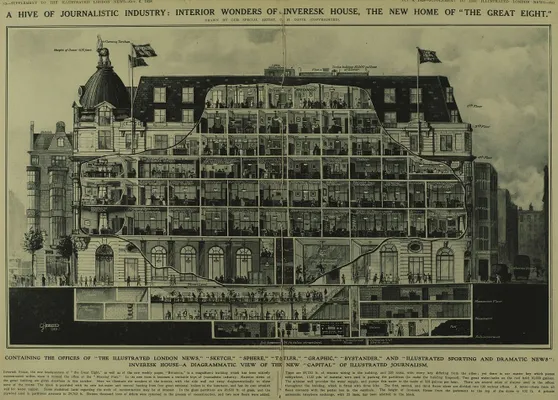
The Illustrated London News, the world’s first illustrated newspaper, debuted in 1842.  Over the decades, the publishers expanded into the ‘great 8’ titles: Sketch, Sphere, Tatler, Graphic, Bystander, Illustrated Sporting and Dramatic News, and Britannia and Eve.  In 1928, the Illustrated London News published an illustration of the interior of their own offices at Inveresk House, ‘a hive of journalistic industry’.Discover more about the history of the Illustrated London NewsIn the image, you can see the offices of the individual editors