Skip to content

Search the blog

Tag: londonTag: blitzTag: 1930s
Over the past seven days here at The Archive we have been busy adding 131,994 brand new pages to our collection, as we continue to augment our newspaper holdings from across Britain, Ireland, and beyond. This week we’re delighted to welcome one brand new title from London, the Lewisham Borough News, as well as updates to twelve of our existing titles.So read on to discover more about all of our new and updated titles of the week, and as the
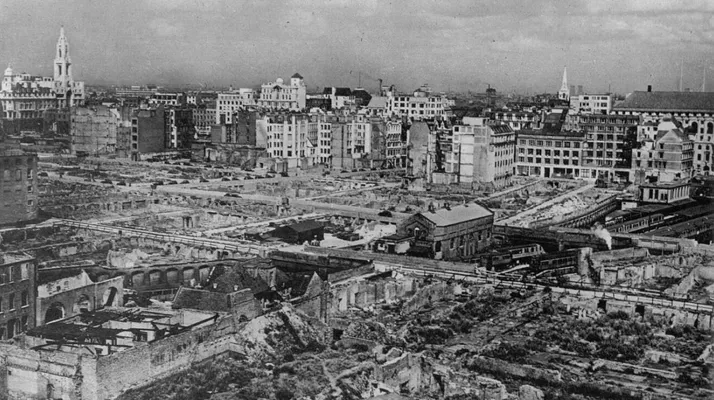
In the decade after the Second World War had come to an end, and indeed beyond, many communities across the United Kingdom were faced with very vivid reminders of the conflict: bomb sites, the country’s ‘war scars.’In this blog, we will examine how people in Britain lived alongside bomb sits in the 1950s, using newspapers taken from The Archive. We will explore how communities adapted to live beside bomb sites, and how they transformed them into gardens and playgrounds.
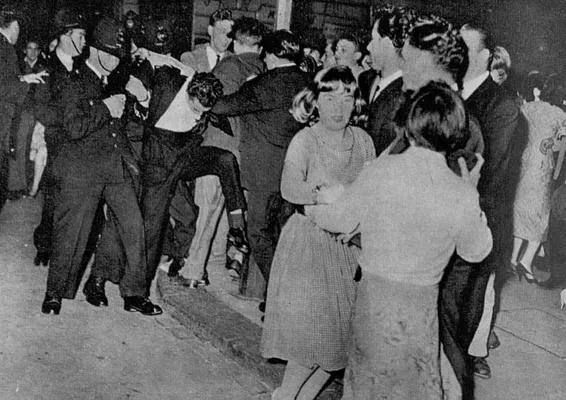
In late August and early September 1958, the London area of Notting Hill was the scene of racially motivated riots, in which white, working-class, ‘Teddy Boys,’ and others, displayed hostility and violence to the Black community in the area.These riots took place ten years after HMT Empire Windrush arrived in Tilbury Docks, carrying 492 Caribbean migrants. Since that moment in history, more and more migrants arrived in Britain from the Caribbean, and they would come to be known as the ‘Windrush
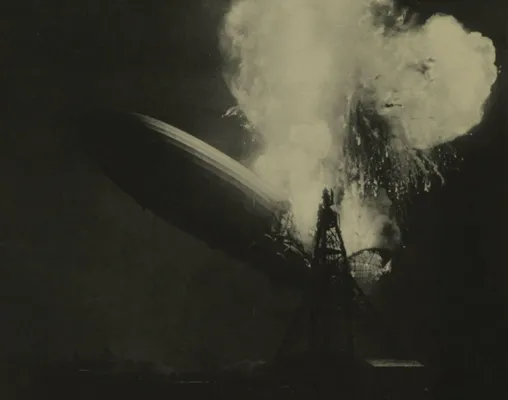
Disaster has befallen the giant German airship, Hindenburg. She was blown to pieces in a mysterious explosion when about to moor at Lakehurst, New Jersey, on the first anniversary of her maiden flight to America. A third of her reported total of 97 aboard have died. Latest death toll of the disaster is 35.So reported the Lincolnshire Echo on 7 May 1937, a day after the German airship LZ 129 Hindenburg caught fire as it attempted to land in New Jersey. News of the
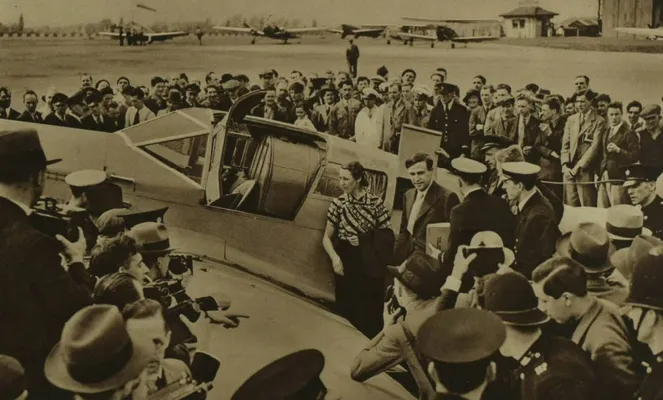
The 1930s were a decade of aviation records. Airmen and airwomen from across the globe pushed their aircrafts to the limit, travelling thousands of miles in pursuit of world firsts and fastest travelling times. And these men and women became the superstars of their day, bona fide celebrities alongside the stars of stage and screen.Chief amongst the royalty of the air was Amy Johnson, Britain’s answer to Amelia Earhart. In this special blog, as part of aviation April on
This week at The Archive we have added an amazing 293,242 brand new pages, with 29 brand new titles joining us from Scotland, Wales and eighteen English counties. Meanwhile, we have also been busy attending to our existing titles, with 60 of these updated in all over the past seven days. With all these brand new pages added to The Archive, we now have over 48 million pages available to search, with the milestone of 50 million pages on the horizon.So read on to
Russia is building up a formidable air fleet and doubling her military railways. America is laying down new capital ships. Britain is strengthening her Navy and her Air Force. A few days ago Belgium announced her intention to spend more money on her Army…One never quite knows what Germany is doing. Her budget reveals her intention to re-arm to a modest extent…No doubt she is drilling her young men and inuring them to war on land and in the air…
In late 1937 in the borough of Croydon, South London, people began to fall ill with typhoid. Typhoid is a disease that is associated with contaminated water and outbreaks of the illness, at least in the United Kingdom, is something that we might associate today with the nineteenth century, before an age of improved sanitation and safe supplies of drinking water.And so, in this special blog, we will take a look at how the Croydon typhoid epidemic gradually unfolded, as
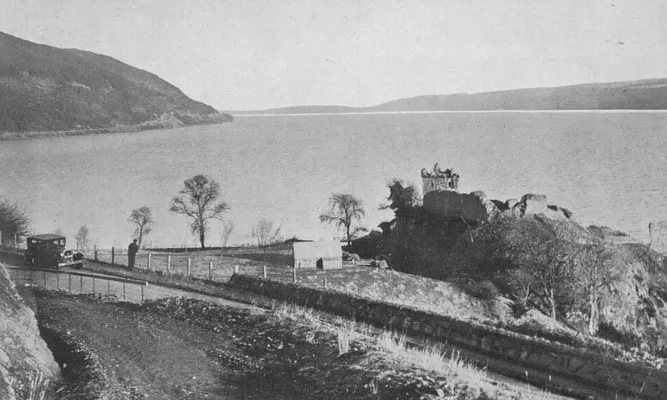
In early May 1933 reports that some kind of monster had been spotted in Loch Ness, in the Scottish Highlands, near Inverness, reached the press. By the end of the year, national weekly publication The Sphere wrote:When the Loch Ness monster first came into the news many believed that the stories published in the Press were nothing more than mere sensationalism. To-day this theory does not hold good. People, whose judgement can be relied on, have seen the ‘monster,’ and
This week at The Archive has been an extremely busy one as ever – we have added 199,897 brand new pages as we continue to augment our collection of newspapers from across the United Kingdom and Ireland. Over the past seven days alone we have added seven brand new titles, from Finchley to Liverpool, from Glasgow to Skegness, whilst we have updated nineteen of our existing titles, with significant additions to some of our Nottinghamshire titles.So read on to discover more