Skip to content

Search the blog

Tag: 1920sTag: crimeTag: blitz
‘Times have brightened,’ writes one 1938 beauty commentator in the Sunderland Daily Echo and Shipping Gazette, as she reflects on how women of the past used to regard their faces.Do you remember how as a young girl, you looked at your face in the mirror and wished that you had a differently shaped mouth, not to mention nose, teeth, ears, and hair? You used to believe that the only thing to do with your face was to be resigned to
This week the presses continue to whir, and we have added 129,872 brand new pages to our collection. Our additions this week are to Britain’s longest-running tabloid newspaper the Daily Mirror, to which we have added over 100,000 colour pages spanning the years 1923 through to 1986, and to the Glamorgan Gazette, which covers the central Glamorgan area. Founded in 1894, it continues to be published to this day.Register now and explore the ArchiveFor anyone with an interest in crime history, the British
We have been extremely busy over the past seven days here at The Archive adding an exciting array of brand new titles and pages to our collection. We have a bumper crop of new titles (twelve in all!), as well as updates to fourteen of our existing titles, covering England, Wales, Ireland and Northern Ireland. We are delighted to have added 141,258 new pages in all. Read on to find out more about our fabulous array of new regional, national and
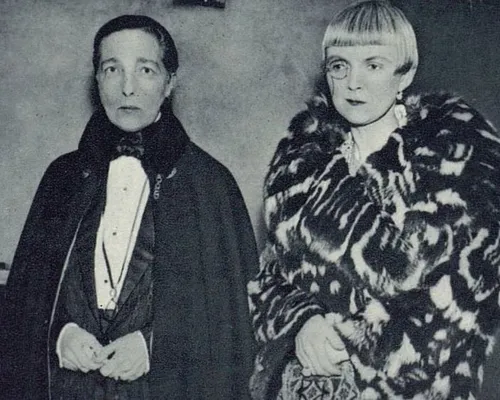
In 1928, novelist Radclyffe Hall published her seminal LGBTQ work The Well of Loneliness. Following the story of Stephen Gordon, an upper-class woman who finds love with one Mary Llewellyn and is consequently shunned by society, the work was groundbreaking in its lesbian subject matter.Radclyffe Hall | Graphic | 30 April 1927Although it was received favourably by many publications including the Daily Herald and Lady’s Pictorial, Sunday Express editor James Douglas began a campaign on 18 August 1928 to have Hall’s book banned – naming The
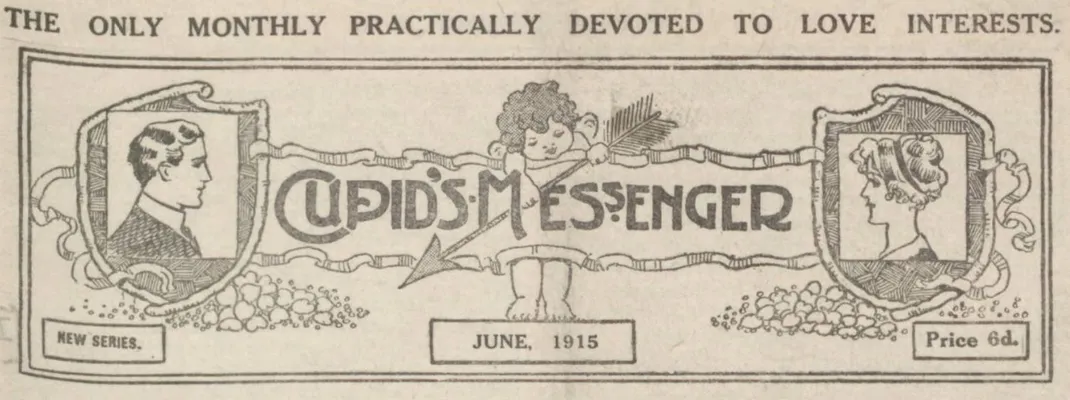
As part of our celebration of Pride Month, we are delighted to welcome a very special guest post from Vicky Iglikowski-Broad, who works as the Principal Diverse Histories Records Specialist at The National Archives. In this blog, Vicky Iglikowski-Broad explores one of the latest specialist titles to be added to the British Newspaper Archive, namely Link. Read on to discover more.Register now and explore The ArchiveAmongst the myriad of publications that developed in the early 20th century was
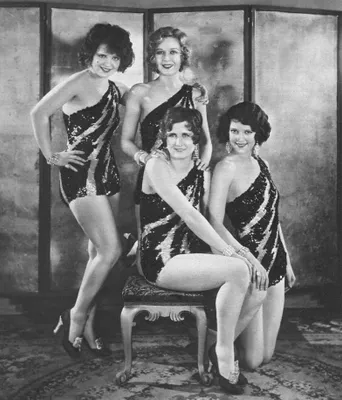
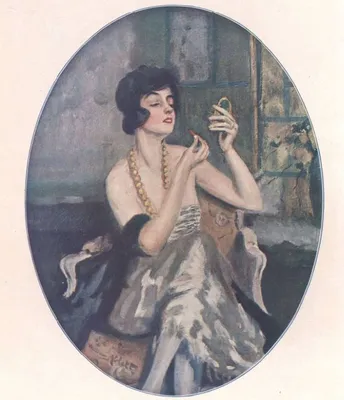
Not only did the flapper turn on its head traditional notions of femininity – she was arguably the first incarnation of youth culture in Britain and beyond. She was a good time girl, she drank, she smoked, she drove, she partied, she wore the latest outrageous fashions, she came home late – and in doing so, she preempted the youth culture movements of later decades.A study by Domergue | The Tatler | 3 June 1925In this special blog, we explore what being a flapper
This week at The Archive we have traversed the length and breadth of England in order to bring you new and updated titles from Somerset all the way to Northumberland. In all, we have added 75,198 brand new pages – with two exciting new titles joining us, namely the West Bridgford Advertiser and the Beds and Herts Pictorial.Register now and explore the ArchivePublished in Nottingham every Saturday, the West Bridgford Advertiser was the local newspaper of ‘South Nottingham, Sneiton, Basford,
‘No more thrilling a tale of guilt and crime, and scarcely one so eloquent in its lessons and cautions to those who are in danger of entering upon a life of unbridled passion, is to be found in all the history of poor humanity than this story of William Palmer.’So reads an article in the Sheffield Independent, 17 September 1888, regarding one William Palmer, better known as the Rugeley Poisoner. William Palmer, a former doctor, was convicted in 1856 for the murder
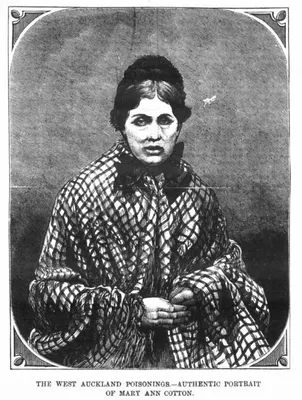
40-year-old Mary Ann Cotton was arrested in West Auckland, County Durham, in 1872 after her stepson, Charles Edward Cotton, was found to have been poisoned by arsenic. During the nineteenth century, arsenic was readily available and could be bought, unregulated, from most grocers. In this special blog, using pages from the British Newspaper Archive, we explore the crimes of Mary Ann Cotton, and how arsenic played a deadly role in everyday life.Want to learn more? Register now and explore The
This week on The Archive we have added 20,428 brand new pages, encompassing seven new titles, which cover England and Wales, as well as a brand new title from Jamaica, a first for the British Newspaper Archive.Register now and explore the ArchiveWe have three new titles joining us this week from Yorkshire, strengthening our collection of newspapers from England’s largest county. We have two new titles from the West Yorkshire town of Batley, including the Batley Reporter and Guardian,