Skip to content

Search the blog

Tag: 1920sTag: blitzTag: 1930s
As part of our celebration of Pride Month, we are delighted to welcome a very special guest post from Vicky Iglikowski-Broad, who works as the Principal Diverse Histories Records Specialist at The National Archives. In this blog, Vicky Iglikowski-Broad explores one of the latest specialist titles to be added to the British Newspaper Archive, namely Link. Read on to discover more.Register now and explore The ArchiveAmongst the myriad of publications that developed in the early 20th century was
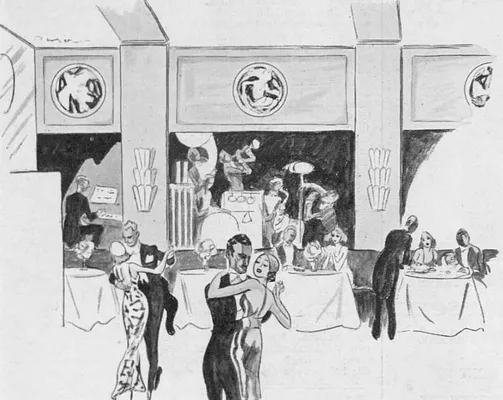
For just over a month in the summer of 1934, the Caravan Club in Endell Street, Holborn, was ‘London’s Greatest Bohemian Rendezvous.’ A safe space for society’s outcasts, it was a temporary haven for London’s marginalised LGBTQ community, home to an eclectic mix of clientele, from cabaret performers to bright young things.But in the early morning of 25 August 1934, the music ended. London’s Caravan Club was raided by the Metropolitan Police, whilst both its owners and members faced criminal charges.The
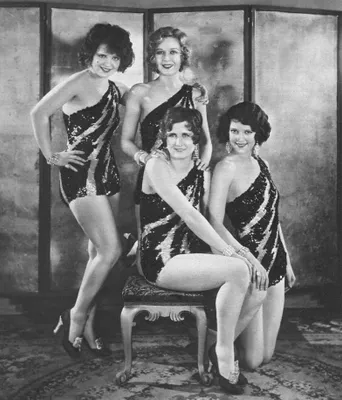
Not only did the flapper turn on its head traditional notions of femininity – she was arguably the first incarnation of youth culture in Britain and beyond. She was a good time girl, she drank, she smoked, she drove, she partied, she wore the latest outrageous fashions, she came home late – and in doing so, she preempted the youth culture movements of later decades.A study by Domergue | The Tatler | 3 June 1925In this special blog, we explore what being a flapper
This week at The Archive we have traversed the length and breadth of England in order to bring you new and updated titles from Somerset all the way to Northumberland. In all, we have added 75,198 brand new pages – with two exciting new titles joining us, namely the West Bridgford Advertiser and the Beds and Herts Pictorial.Register now and explore the ArchivePublished in Nottingham every Saturday, the West Bridgford Advertiser was the local newspaper of ‘South Nottingham, Sneiton, Basford,
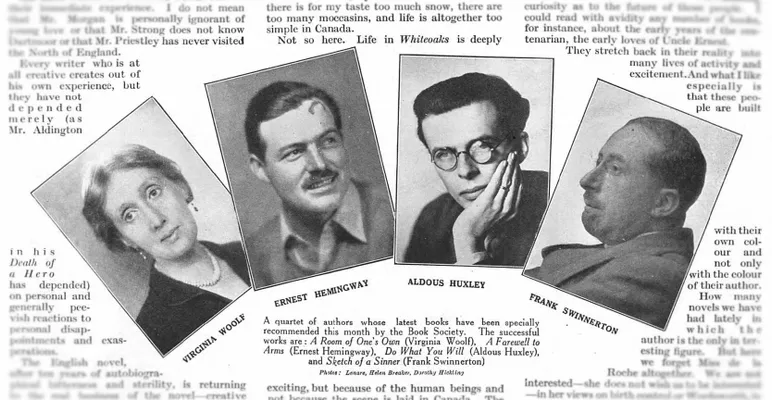
Novelist Edwin Muir attempted in 1926 to identify those writers who were ‘influencing the development of literature’ (Nottingham Journal, October 1926) in a series of essays entitled Transition. His choices, which included Virginia Woolf, James Joyce and D.H. Lawrence, amongst others, survived the test of time and as such represent the most celebrated authors of the modernist period.Graphic | 26 October 1929Using reviews taken from the pages of the British Newspaper Archive, and limiting our search to only those written in the 1920s,
‘Short hair is not a whim of fashion; it is significant for an adaptation to modern existence,’ so proclaimed hairdresser Monsieur Eugène in 1929 (Britannia and Eve, August 1929).In this special blog, using pages from the British Newspaper Archive, we explore one of the most iconic fashions of the 1920s – the bob. We look at its cultural impact, its most famous wearers, and how women achieved and maintained the perfect bobbed style.Want to learn more? Register now and explore The
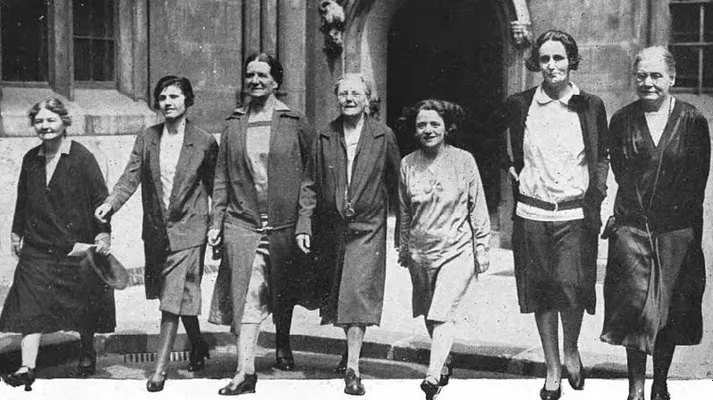
The 1920s were time of greater freedoms and liberation for women. They cropped their hair, their dresses got shorter and shorter; it was socially acceptable for them to drive, drink and smoke. But such freedoms would not have been possible without the pioneering women who not only shaped the decade, but the many years to come.Graphic | 27 July 1929In this special blog, using the British Newspaper Archive, we take a look at five of these remarkable women and their work.
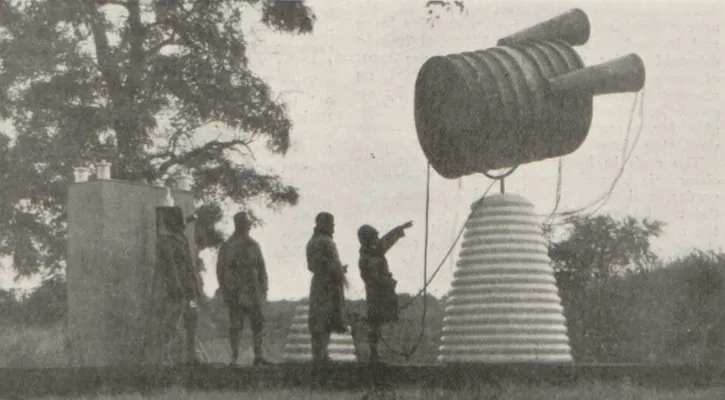
The 1920s were a decade of firsts and innovations, and many of the things we take for granted today have their roots in this eventful decade. From televisions to fridges, from roller coasters to Branston Pickle, from crosswords to death rays, we take a look at just a few of the brilliant and bizarre inventions that stemmed from the 1920s – using advertisements and articles from the British Newspaper Archive.Want to learn more? Register now and explore The Archive1. TELEVISION
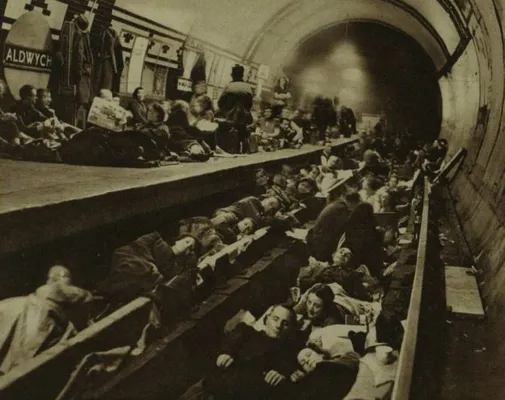
When the Blitz began on 7 September 1940, ‘It was the people of London who took command…Men, women, and children went straight to the safest place they could think of – the Underground stations.’In this special blog, over 80 years after the beginning of the Blitz, we take a look at how London’s main transport system – the Underground –  became a popular place of shelter for those seeking protection from the German bombing campaign, using an assortment of articles and photographs all to be
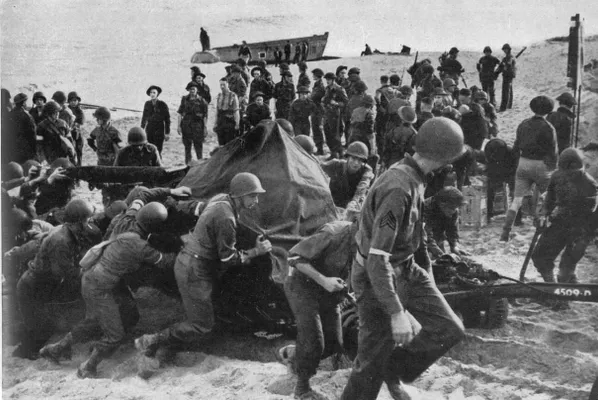
American troops
In honour of Remembrance Day, during the month of November, The British Newspaper Archive will be focusing our attention on military in the newspapers.  Coming up this month we will feature blogs about our special military titles, researching military history, women and war, and wartime rationing and fashion, as well as a guest blog about a remarkable Great War discovery from The Archive.  To begin our military month, we are delving into the newspaper headlines through the years for the