Skip to content

Search the blog

Tag: victorianTag: 1920sTag: blitz
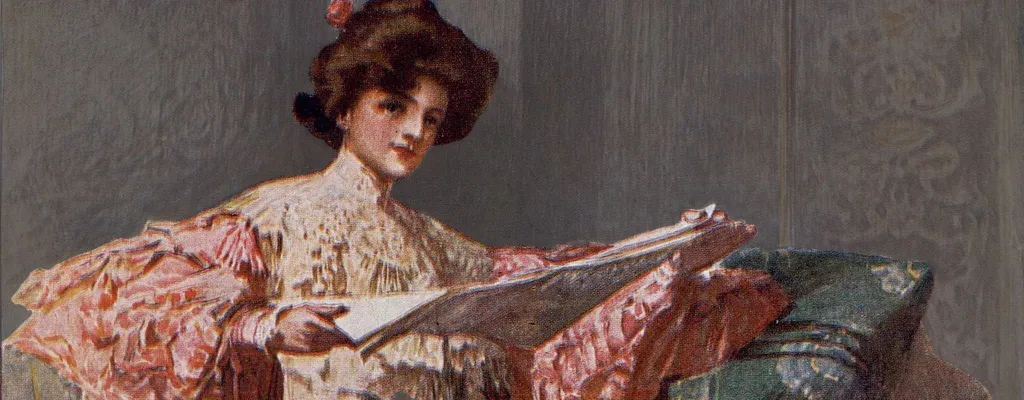
Not only did the flapper turn on its head traditional notions of femininity – she was arguably the first incarnation of youth culture in Britain and beyond. She was a good time girl, she drank, she smoked, she drove, she partied, she wore the latest outrageous fashions, she came home late – and in doing so, she preempted the youth culture movements of later decades.A study by Domergue | The Tatler | 3 June 1925In this special blog, we explore what being a flapper
This week at The Archive we have traversed the length and breadth of England in order to bring you new and updated titles from Somerset all the way to Northumberland. In all, we have added 75,198 brand new pages – with two exciting new titles joining us, namely the West Bridgford Advertiser and the Beds and Herts Pictorial.Register now and explore the ArchivePublished in Nottingham every Saturday, the West Bridgford Advertiser was the local newspaper of ‘South Nottingham, Sneiton, Basford,
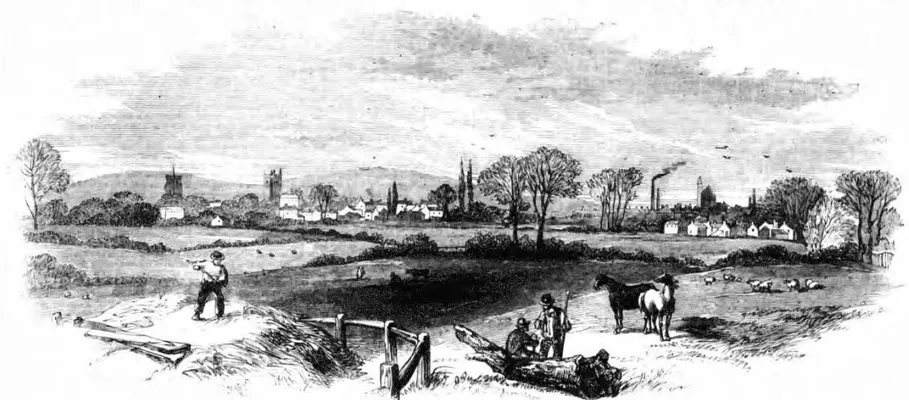
‘No more thrilling a tale of guilt and crime, and scarcely one so eloquent in its lessons and cautions to those who are in danger of entering upon a life of unbridled passion, is to be found in all the history of poor humanity than this story of William Palmer.’So reads an article in the Sheffield Independent, 17 September 1888, regarding one William Palmer, better known as the Rugeley Poisoner. William Palmer, a former doctor, was convicted in 1856 for the murder
This week on The Archive we have added 20,428 brand new pages, encompassing seven new titles, which cover England and Wales, as well as a brand new title from Jamaica, a first for the British Newspaper Archive.Register now and explore the ArchiveWe have three new titles joining us this week from Yorkshire, strengthening our collection of newspapers from England’s largest county. We have two new titles from the West Yorkshire town of Batley, including the Batley Reporter and Guardian,
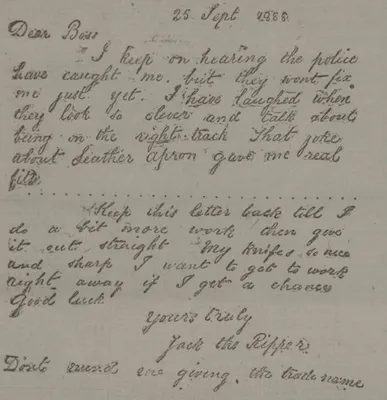
On 27 September 1888, in the midst of a series of horrific murders in Whitechapel, the Central News Office in London received a letter, signed by ‘Jack the Ripper’.Known as the ‘Dear Boss’ letter because of the way it was addressed, the letter changed the way British newspapers reported the Ripper murders.Read newspapers from 1888Facsimiles of the ‘Dear Boss’ letter in the newspapersThe name ‘Jack the Ripper’ reached the British press and general public on 3 October 1888, when Scotland Yard
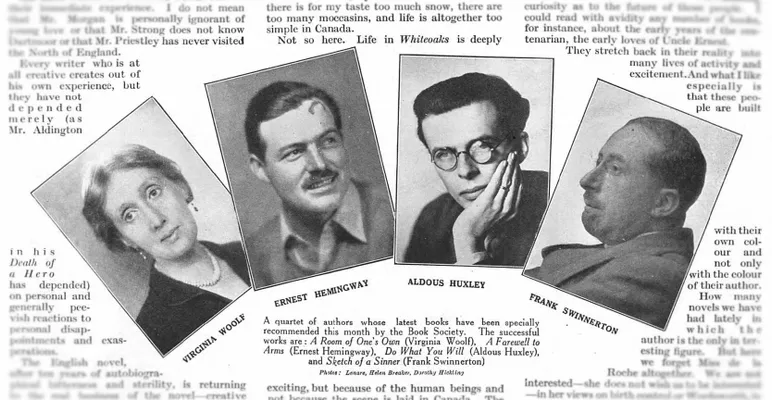
Novelist Edwin Muir attempted in 1926 to identify those writers who were ‘influencing the development of literature’ (Nottingham Journal, October 1926) in a series of essays entitled Transition. His choices, which included Virginia Woolf, James Joyce and D.H. Lawrence, amongst others, survived the test of time and as such represent the most celebrated authors of the modernist period.Graphic | 26 October 1929Using reviews taken from the pages of the British Newspaper Archive, and limiting our search to only those written in the 1920s,
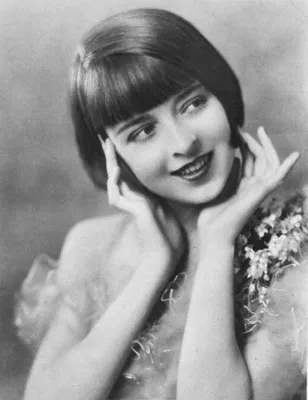
‘Short hair is not a whim of fashion; it is significant for an adaptation to modern existence,’ so proclaimed hairdresser Monsieur Eugène in 1929 (Britannia and Eve, August 1929).In this special blog, using pages from the British Newspaper Archive, we explore one of the most iconic fashions of the 1920s – the bob. We look at its cultural impact, its most famous wearers, and how women achieved and maintained the perfect bobbed style.Want to learn more? Register now and explore The
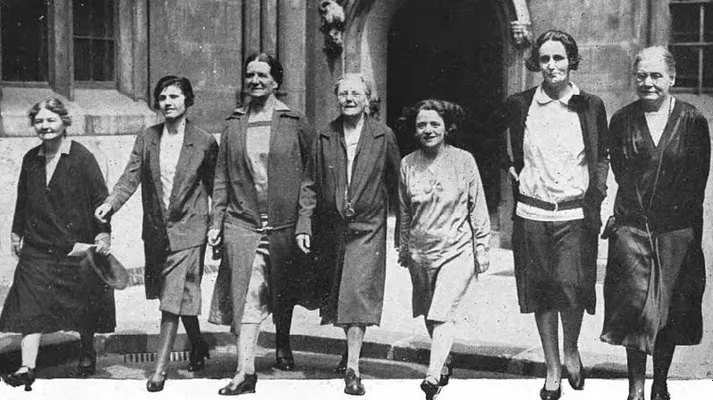
The 1920s were time of greater freedoms and liberation for women. They cropped their hair, their dresses got shorter and shorter; it was socially acceptable for them to drive, drink and smoke. But such freedoms would not have been possible without the pioneering women who not only shaped the decade, but the many years to come.Graphic | 27 July 1929In this special blog, using the British Newspaper Archive, we take a look at five of these remarkable women and their work.
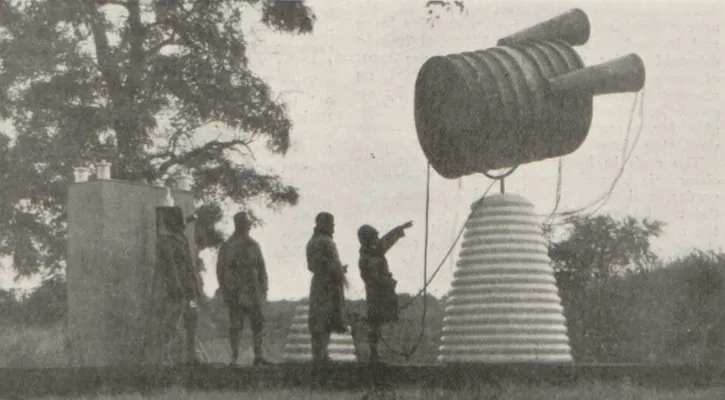
The 1920s were a decade of firsts and innovations, and many of the things we take for granted today have their roots in this eventful decade. From televisions to fridges, from roller coasters to Branston Pickle, from crosswords to death rays, we take a look at just a few of the brilliant and bizarre inventions that stemmed from the 1920s – using advertisements and articles from the British Newspaper Archive.Want to learn more? Register now and explore The Archive1. TELEVISION
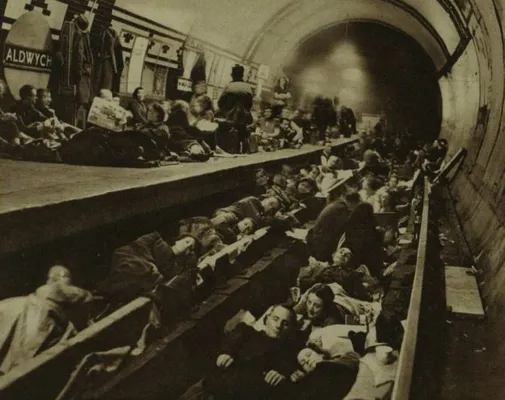
When the Blitz began on 7 September 1940, ‘It was the people of London who took command…Men, women, and children went straight to the safest place they could think of – the Underground stations.’In this special blog, over 80 years after the beginning of the Blitz, we take a look at how London’s main transport system – the Underground –  became a popular place of shelter for those seeking protection from the German bombing campaign, using an assortment of articles and photographs all to be