Skip to content

Search the blog

Tag: sputnikTag: womens-history
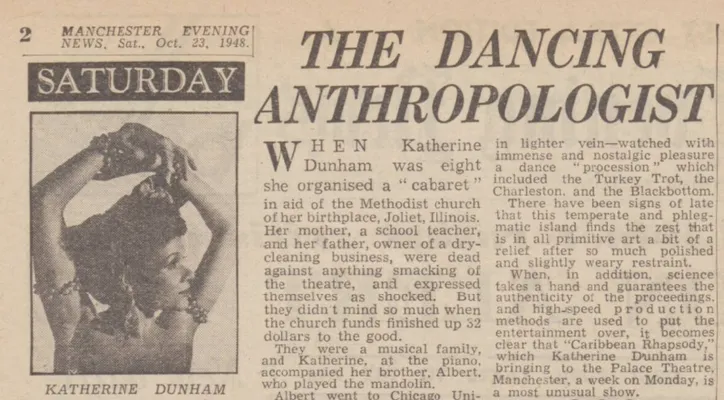
Born in 1909 in Chicago, ‘dancing anthropologist’ Katherine Dunham was known as the ‘matriarch and queen mother of Black dance.’ Her father was a descendant of enslaved West Africans and Madagascans, whilst her mother hailed from Canada.A multitalented artist, academic and activist, for many years Katherine Dunham ran the Katherine Dunham Dance Company, the only self-supporting African-American dance troupe in the mid-twentieth century. It was during this time that Dunham toured the United Kingdom, and in this special blog, we
This week at The Archive we are delighted to welcome two brand new Wiltshire newspapers to our regional holdings, as we have added 112,971 brand new pages to our collection in all, with updates to our newspapers from across England, Wales and Scotland.So read on to discover more about our duo of new Wiltshire newspapers, and also to learn which of our existing titles have been updated. Meanwhile, this week also marks 110 years since the National Union of Women’s Suffrage
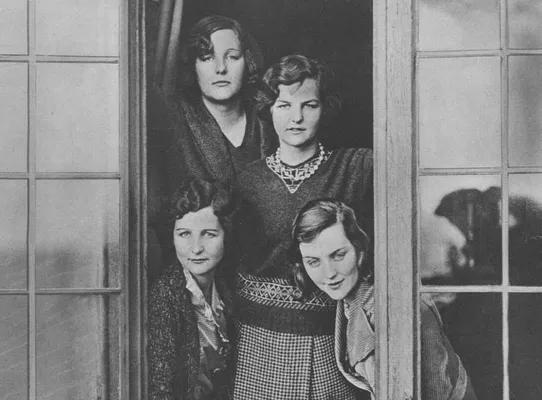
The aristocratic Mitford sisters – Nancy, Pamela, Diana, Unity, Jessica and Deborah – hit the headlines throughout their lifetimes, with tales of scandal and intrigue filling the pages of the press from the 1920s and beyond.Born to David Freeman-Mitford, 2nd Baron Redesdale, and his wife Sydney, alongside brother Thomas, the Mitford sisters often shocked society, whether it be through their political views, or their private lives.In this special blog, we shall unravel the remarkable stories of the six Mitford sisters,
This week at The Archive we have added 5 brand new Irish titles to our collection, including the Constabulary Gazette, which was the ‘accredited organ of the Royal Irish Constabulary.’ Meanwhile, our other Irish titles cover the counties of Kerry and Wexford, whilst we have added 52,710 brand new pages in all to The Archive over the past seven days.So read on to discover more about our new Irish titles of the week, and also to learn about the opening of
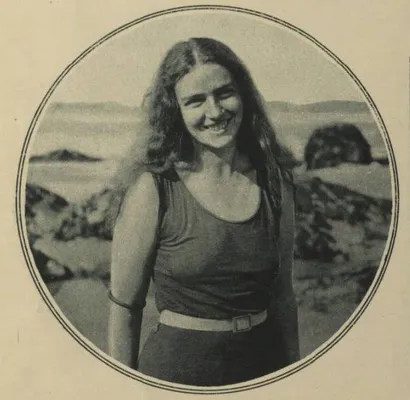
Mercedes Gleitze (1900-1981) was the first British woman to swim the English Channel, and the first person to swim the Straits of Gibraltar. In an amazing career that spanned the 1920s and 1930s, Mercedes captured the imagination of the British public and became a household name.Born to German parents in Brighton, Mercedes was one of three sisters. Skilled in languages, she moved to London where she worked as a secretary and stenographer. Whilst living in London she began swimming in
This week marks 130 years since the first British Ladies Amateur Golf Championship was held at the Royal Lytham and St Annes Golf Club, whilst also marking The Archive’s incredible achievement of reaching over 68 million pages now available to search, as we have added 164,005 brand new pages. Meanwhile, over the last seven days, we have added 9 brand new titles to our collection, with the addition of new pages to our existing titles from across the United Kingdom and Ireland.With updates
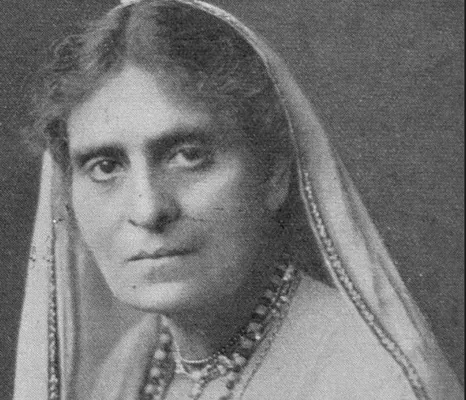
Born in Nashik, in what was the Bombay Presidency in British India, in 1866, pioneering lawyer Cornelia Sorabji would go on to be the first woman graduate of Bombay (Mumbai) University, and the first woman to study law at the University of Oxford.A pioneering figure, Cornelia Sorabji worked on the behalf of purdahnashins, women who could not communicate with the outside male world. Indeed, she entered upon a legal career to help these women. Cornelia Sorabji’s life, however, was not
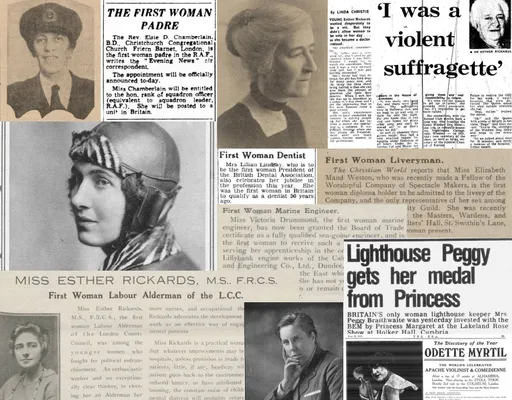
This March at The Archive we are celebrating inspiring women from history, who broke boundaries across different fields, whether they be medical, sporting, political and much more besides. We will be highlighting those inspiring women who broke the mould, and we will be showcasing the achievements of some lesser known women along the way, who deserve recognition for their trailblazing lives and careers.And in this special blog, we will be looking at ten inspiring women from history who you
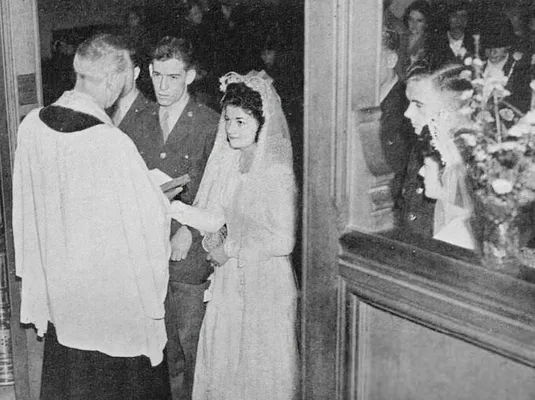
As a result of the Second World War, over 60,000 British women married American soldiers (colloquially known as GIs), many of them returning with their new husbands to live in the United States once the war ended.In this special blog, we are going to take a look at how the so-called GI brides were reported on by the press of the United Kingdom. We will examine how they faced warnings over their choice of husbands, and how they were prepared
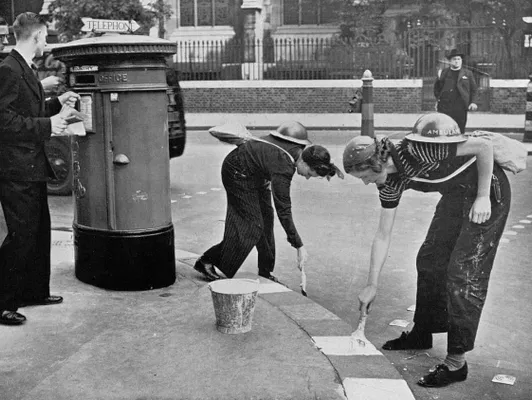
When war broke out in August 1914, and again in September 1939, women across the United Kingdom played a pivotal role in the war effort, taking on jobs that we previously seen as the preserve of men.By July 1916 it was estimated that 750,000 women across Britain had taken up ‘war work,’ working in heavy industries and in munitions factories, working as drivers, as well as nurses and as doctors. This represented a seismic shift in the way that women were viewed, and