Skip to content

Search the blog

Tag: sputnikTag: blitzTag: crime
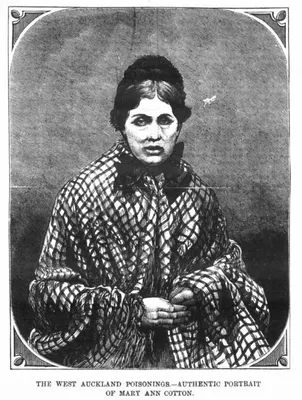
40-year-old Mary Ann Cotton was arrested in West Auckland, County Durham, in 1872 after her stepson, Charles Edward Cotton, was found to have been poisoned by arsenic. During the nineteenth century, arsenic was readily available and could be bought, unregulated, from most grocers. In this special blog, using pages from the British Newspaper Archive, we explore the crimes of Mary Ann Cotton, and how arsenic played a deadly role in everyday life.Want to learn more? Register now and explore The
This week on The Archive we have added 20,428 brand new pages, encompassing seven new titles, which cover England and Wales, as well as a brand new title from Jamaica, a first for the British Newspaper Archive.Register now and explore the ArchiveWe have three new titles joining us this week from Yorkshire, strengthening our collection of newspapers from England’s largest county. We have two new titles from the West Yorkshire town of Batley, including the Batley Reporter and Guardian,
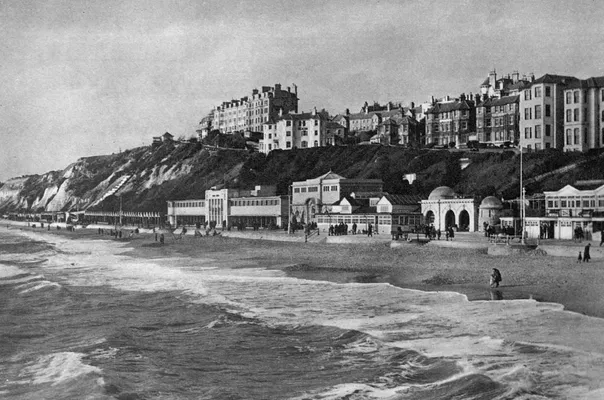
In March 1935 the seaside resort town of Bournemouth was shaken by a sensational murder. Retired architect Francis Mawson Rattenbury, aged 67, was found dead at his home, Villa Madeira, on Manor Road. Accused of his murder were his younger wife Alma Rattenbury, and her lover, 18-year-old gardener George Stoner.This case would end in further tragedy, and in this special blog, using pages from the British Newspaper Archive, we explore how murder came to the genteel town of Bournemouth in the
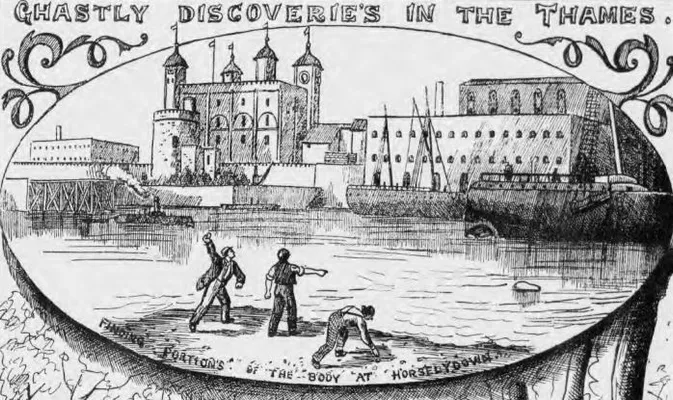
Pages from the British Newspaper Archive abound with reports of crimes and their perpetrators, and some of the most intriguing of these are the UK’s unsolved murder cases, where a verdict of ‘murder by person or persons unknown’ has been reached.In this special blog, we explore five of the most notorious unsolved murders from UK history, ranging from the Thames mystery of the late 1880s, which came to be overshadowed by the Jack the Ripper killings, to the strange
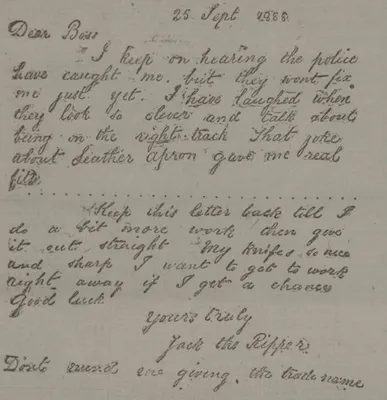
On 27 September 1888, in the midst of a series of horrific murders in Whitechapel, the Central News Office in London received a letter, signed by ‘Jack the Ripper’.Known as the ‘Dear Boss’ letter because of the way it was addressed, the letter changed the way British newspapers reported the Ripper murders.Read newspapers from 1888Facsimiles of the ‘Dear Boss’ letter in the newspapersThe name ‘Jack the Ripper’ reached the British press and general public on 3 October 1888, when Scotland Yard
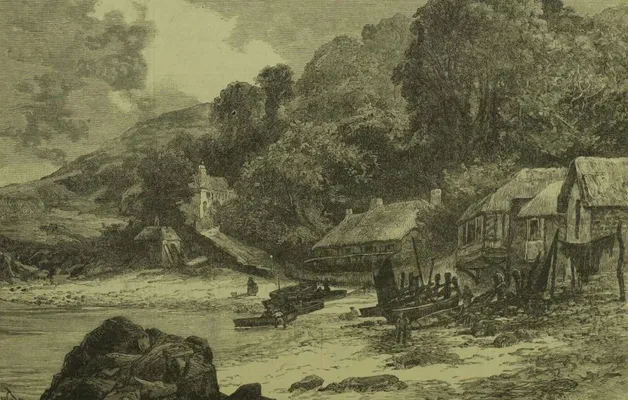
In this special blog, using pages from the British Newspaper Archive, we take a look at one of the most notorious murders of the nineteenth century, that of Miss Emma Ann Whitehead Keyse, and the surprising fate that awaited her accused murderer, John Lee.Want to learn more? Register now and explore The ArchiveEmma Keyse was around the the age of sixty-eight, and lived in Babbacombe, just outside of Torquay, Devon. She was apparently a former lady-in-waiting to Queen
This week we have added 80,888 new pages to The Archive – and this week sees a distinctly Canadian flavour, as we have added three new historic titles from across the pond, numbering nearly 50,000 pages and spanning the years 1875 to 1920. Slightly more closer to home, we are delighted to have added the Dudley Chronicle, a Worcestershire weekly representing the local news of the large industrial market town.Dudley Chronicle | 12 February 1910Register now and explore the ArchiveMeanwhile, we continue to strengthen our
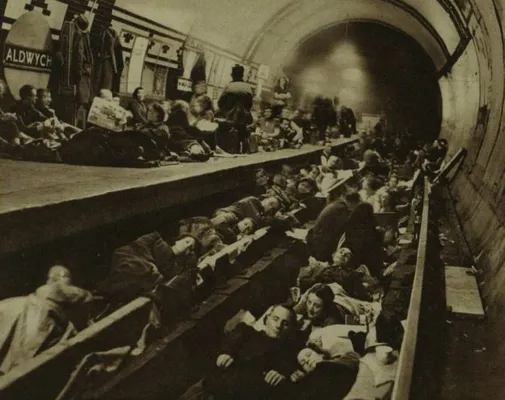
When the Blitz began on 7 September 1940, ‘It was the people of London who took command…Men, women, and children went straight to the safest place they could think of – the Underground stations.’In this special blog, over 80 years after the beginning of the Blitz, we take a look at how London’s main transport system – the Underground –  became a popular place of shelter for those seeking protection from the German bombing campaign, using an assortment of articles and photographs all to be
This week we have added 94,482 new pages to The Archive, covering 123 years of history across the British Isles and Ireland. We have updated seven of our existing titles, with significant updates to Newcastle publication the Newcastle Daily Chronicle, to which we have added over 60,000 pages spanning the years 1870-1914.We also have significant updates to society publication The Queen, as we continue to augment our early twentieth-century holdings for this newspaper. We have added pages to regional titles covering the North
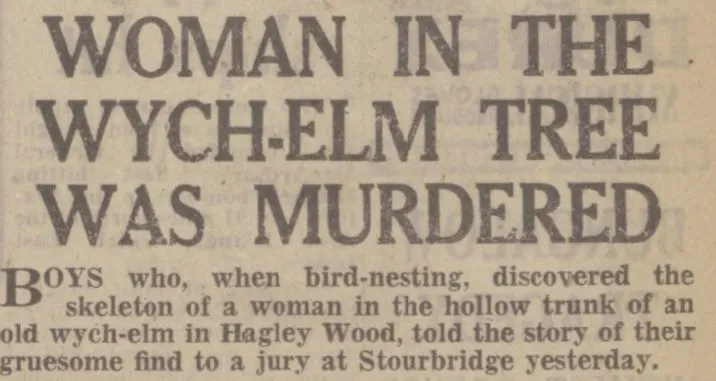
The discovery of skeletal remains in a wych elm tree during the April of 1943 remains one of the most compelling mysteries of British crime history. Who was the woman whose remains were found in the wych elm tree? Who was responsible for the perplexing graffiti which began to appear a year after the discovery? Was espionage or witchcraft involved? Using pages from the Archive, we dive into this fascinating story, which, as the Sunday Mirror comments in 1944, is ‘as fantastic