Skip to content

Search the blog

Tag: ocrTag: traditionsTag: 1930s
Nowadays, we tend to think of Halloween as a thoroughly modern phenomenon, an American Hallmark holiday. But using newspapers from the Victorian era, accessed through The Archive, we will discover in this blog how Halloween is a thoroughly ancient phenomenon.We will look at the ancient origins of the October festival, and explore its traditions, some of which have lasted through to this day, like bobbing for apples, and others that have fallen by the wayside, for example the day’s
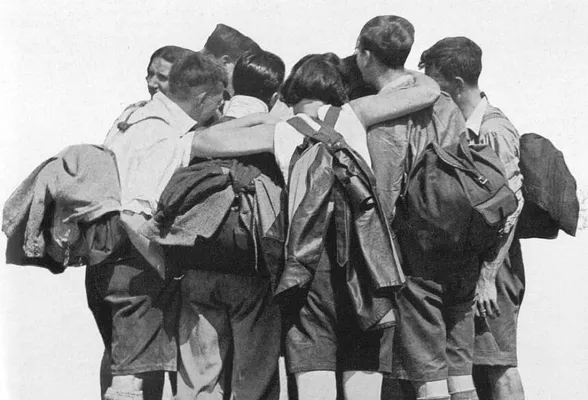
The popularity of walking or ‘hiking,’ as it is termed, is amazingly on the increase. ‘Sabbath day journeys’ are undertaken by the youth of both sexes, armed with knapsacks. Starting from Waterloo to the Surrey hills and commons, where they walk, either in clubs or in private companies, or alone, all day, to return by train at night.So relates The Sphere in the September of 1930 in an article entitled ‘Knapsackery on the Surrey Hills.’ Regarded as the ‘Phenomenon of
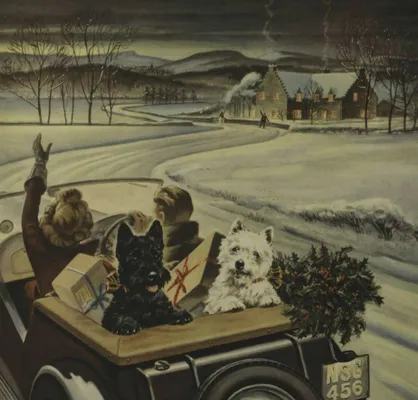
On Christmas Day 1906 the city of Sheffield in the north of England saw the ‘heaviest Christmas snow for 25 years,’ as the Sheffield Daily Telegraph reports:On the evening of Christmas Day the snow began to fall, and yesterday morning the city was covered in a beautiful mantle of the purest white. Snow lay on the ground to the depth of about six inches, and, except in the streets, so remained until last night, when there was a further fall.Long
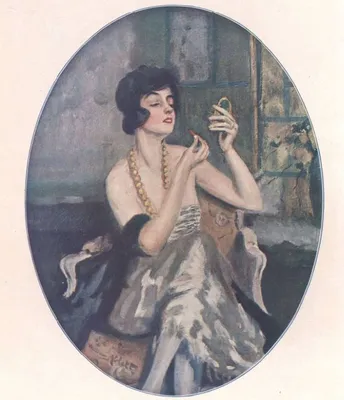
‘Times have brightened,’ writes one 1938 beauty commentator in the Sunderland Daily Echo and Shipping Gazette, as she reflects on how women of the past used to regard their faces.Do you remember how as a young girl, you looked at your face in the mirror and wished that you had a differently shaped mouth, not to mention nose, teeth, ears, and hair? You used to believe that the only thing to do with your face was to be resigned to
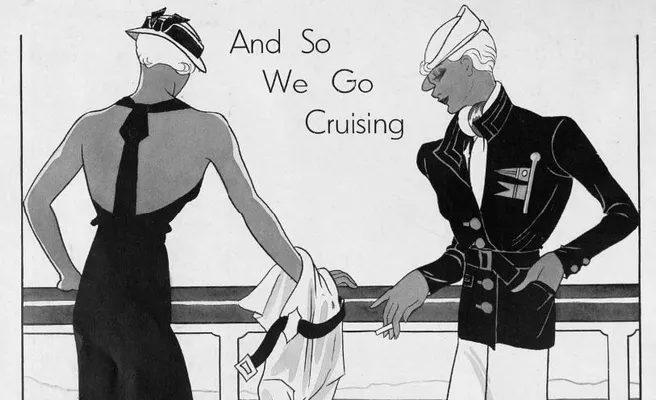
In May 1844, the below advertisement appeared in the Cheltenham Chronicle:A Six Weeks Tour, by Steam, to Athens, Smyrna, and Constantinople, calling at Gibraltar and Malta – with the option of visiting, en route, Vigo, Oporto, Lisbon, and Gibraltar. The Peninsular and Oriental Steam Navigation Company’s well-known splendid Steam Ship ‘Tagus,’ 900 tons and 300 horse power, will start from Blackwall on Thursday, 20th June, for the above ports.Time occupied in the Passage, out and home, about six weeks – very superior accommodation
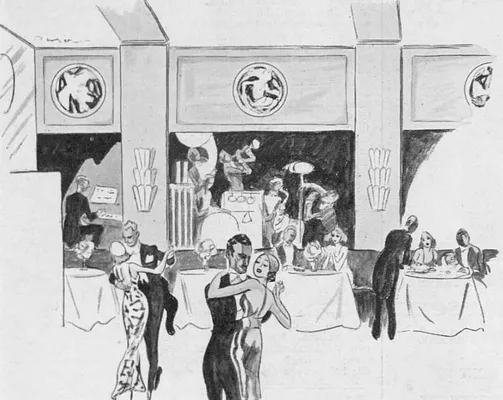
For just over a month in the summer of 1934, the Caravan Club in Endell Street, Holborn, was ‘London’s Greatest Bohemian Rendezvous.’ A safe space for society’s outcasts, it was a temporary haven for London’s marginalised LGBTQ community, home to an eclectic mix of clientele, from cabaret performers to bright young things.But in the early morning of 25 August 1934, the music ended. London’s Caravan Club was raided by the Metropolitan Police, whilst both its owners and members faced criminal charges.The
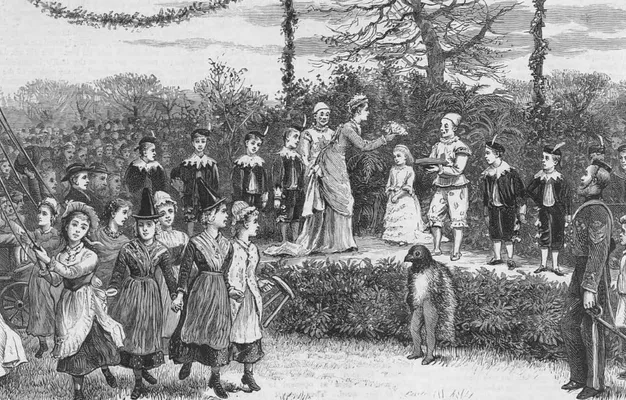
In this special blog we use the remarkable photographs and illustrations contained in our Newspaper Archive to trace the tradition of the May Queen over one hundred and fifty years, as well as exploring the origins of this fascinating ritual.We start out at Wymering, just outside of Portsmouth, in 1867. It was here, in the ‘latter part of the month of merrie May’, that a May Queen was crowned. The Illustrated Times tell us that the event is looked forward
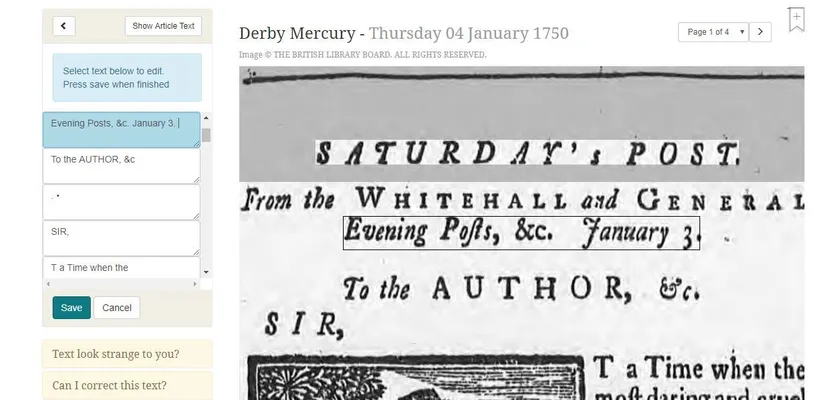
One of the features of The British Newspaper Archive is the OCR editing tool.  This allows every user to contribute to the improvement of The Archive.  OCR stands for Optical Character Recognition– the process we use to transform millions of digitised images into searchable text.   The computer takes an image of the page and then turns each line into text.  However, as many of us have encountered, the text is not always correct and needs improvement.  As a group, we
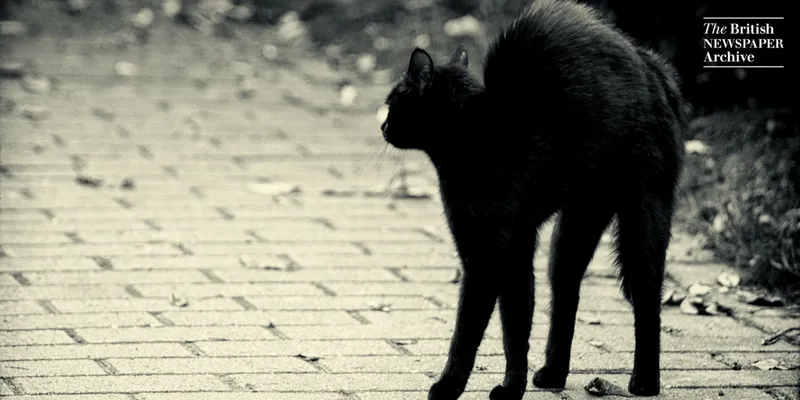
Black cat
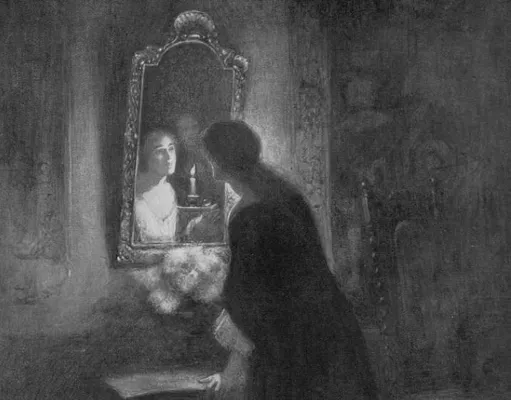
Of witches and witchcraftAs we kick off our Halloween celebrations and delve into the history, contained within the newspapers, of witches and witchcraft (and supernatural beings), it is imperative that we preface this — perhaps unnecessarily — with an important disclaimer and reminder: witches, in the sense of practitioners of malevolent powers to do evil works, never existed. Those persecuted during the sixteenth century and onward were, more often than not, local healers and midwives.In 1562, Queen Elizabeth passed the law
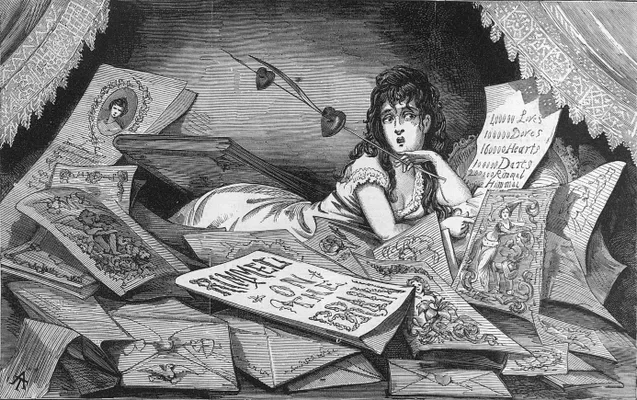
Valentine’s Day in its present iteration is inexorably linked to both romantic love and commercialism. It inspires strong feelings, both for and against this day of chocolate boxes and heart-shaped cards. However, the day and its traditions have not been static. In performing a simple search for ‘Valentine’s Day’ on The British Newspaper Archive, you can start to see the ways in which the holiday — and its reception — have changed (and, occasionally, stayed the same) over the years.An 1845 description