Skip to content

Search the blog

Tag: ocrTag: murderTag: literature
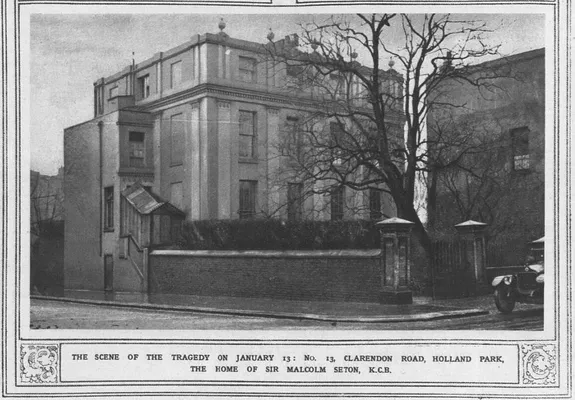
In 1919 the country was shocked by a high society murder – dubbed the ‘West End Tragedy.’ Major Miles Seton, of the Australian Medical Corps, was shot and killed by Lieutenant-Colonel Norman Rutherford, a British army doctor, in the palatial surrounds of a Holland Park address.Using articles and photographs from the pages of the British Newspaper Archive, we explore this sad crime, which took place just a few months after the end of the First World War.Want to learn more?
This week on The Archive we have added 20,428 brand new pages, encompassing seven new titles, which cover England and Wales, as well as a brand new title from Jamaica, a first for the British Newspaper Archive.Register now and explore the ArchiveWe have three new titles joining us this week from Yorkshire, strengthening our collection of newspapers from England’s largest county. We have two new titles from the West Yorkshire town of Batley, including the Batley Reporter and Guardian,
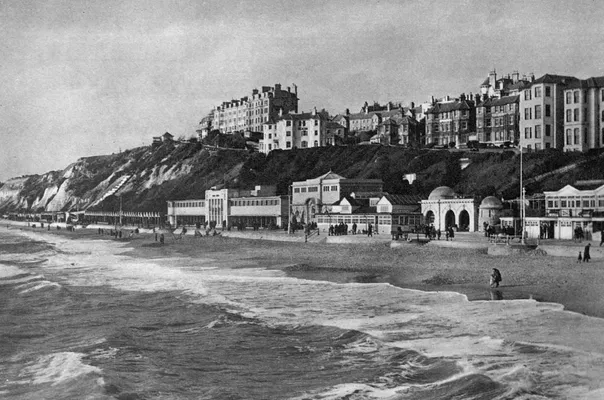
In March 1935 the seaside resort town of Bournemouth was shaken by a sensational murder. Retired architect Francis Mawson Rattenbury, aged 67, was found dead at his home, Villa Madeira, on Manor Road. Accused of his murder were his younger wife Alma Rattenbury, and her lover, 18-year-old gardener George Stoner.This case would end in further tragedy, and in this special blog, using pages from the British Newspaper Archive, we explore how murder came to the genteel town of Bournemouth in the
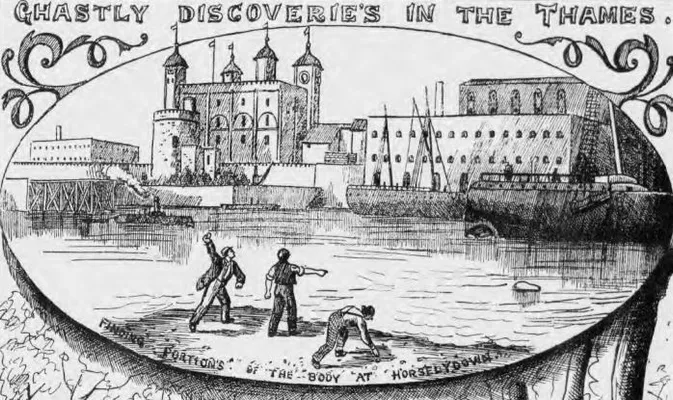
Pages from the British Newspaper Archive abound with reports of crimes and their perpetrators, and some of the most intriguing of these are the UK’s unsolved murder cases, where a verdict of ‘murder by person or persons unknown’ has been reached.In this special blog, we explore five of the most notorious unsolved murders from UK history, ranging from the Thames mystery of the late 1880s, which came to be overshadowed by the Jack the Ripper killings, to the strange
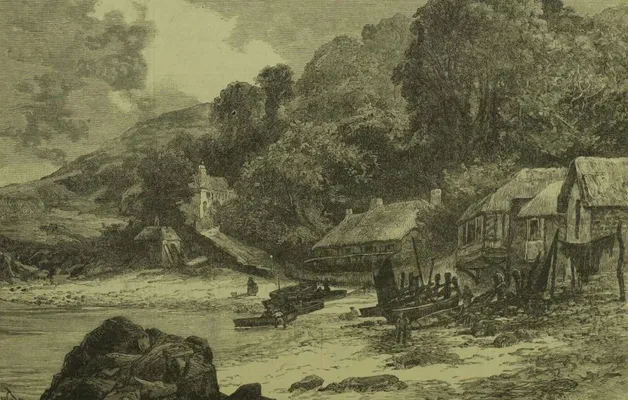
In this special blog, using pages from the British Newspaper Archive, we take a look at one of the most notorious murders of the nineteenth century, that of Miss Emma Ann Whitehead Keyse, and the surprising fate that awaited her accused murderer, John Lee.Want to learn more? Register now and explore The ArchiveEmma Keyse was around the the age of sixty-eight, and lived in Babbacombe, just outside of Torquay, Devon. She was apparently a former lady-in-waiting to Queen
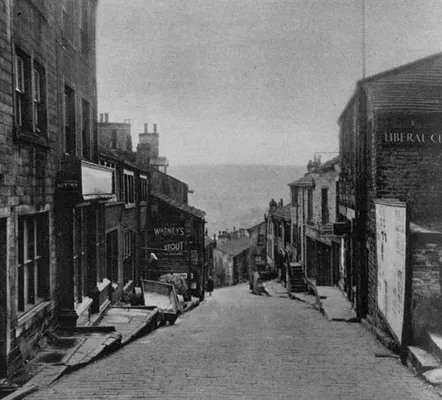
The Rev Patrick Brontë of Thornton, has been nominated to the Perpetual Curacy of Haworth, in the parish of Bradford, and has been licenced to the same by his Grace the Archbishop of York.Manchester Mercury | 14 March 1820This rather innocuous announcement appeared in the pages of the Manchester Mercury on the 14 March 1820. At the time, it would have been considered fairly run-of-the-mill: a typical clergy appointment. But 200 years later, these short sentences conjure up a wave of brilliant associations concerning
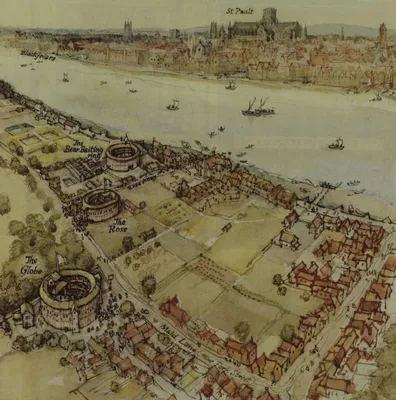
As Britannia & Eve relates, ‘In 1586 a young genius of twenty-two, already the father of twins, packed his bags, said good-bye to the fading charms of his older wife, and quitted his home in Stratford-upon-Avon to earn his living in London as an actor.’This young genius was of course none other than William Shakespeare, about whose life precious little is known. But we do know that it was to London that the bard went, Dick Whittington-like, to pursue his fortune.
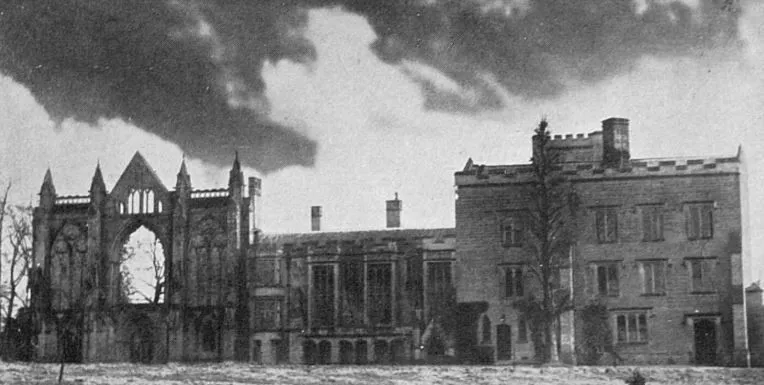
THROUGH thy battlements, Newstead, the hollow winds whistle;Thou, the hall of my fathers, art gone to decay;In thy once smiling garden the hemlock and thistleHave choked up the rose which late bloomed in the way.So wrote the poet Lord Byron, inspired by his ancestral home of Newstead Abbey. Using pages from the British Newspaper Archive, this blog will explore Byron’s affinity with the ancient building, and how Newstead Abbey beat the odds to survive until the
This week we have added 70,450 new pages to The Archive, with two new and very important titles joining us from home and abroad.We have added an extensive run of pages to the Westminster Gazette, which was seen by some as ‘the most powerful paper in Britain.’ Established in 1893 by E.T. Cook, the Westminster Gazette was a liberal newspaper, which found its audience in London’s gentlemen’s clubs and was consequently known as a ‘clubland paper.’ Despite this audience being small,
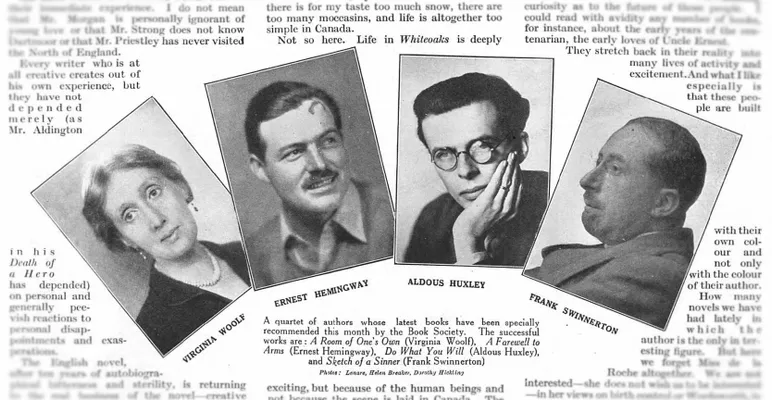
Novelist Edwin Muir attempted in 1926 to identify those writers who were ‘influencing the development of literature’ (Nottingham Journal, October 1926) in a series of essays entitled Transition. His choices, which included Virginia Woolf, James Joyce and D.H. Lawrence, amongst others, survived the test of time and as such represent the most celebrated authors of the modernist period.Graphic | 26 October 1929Using reviews taken from the pages of the British Newspaper Archive, and limiting our search to only those written in the 1920s,