Skip to content

Search the blog

Tag: murderTag: traditionsTag: blitz
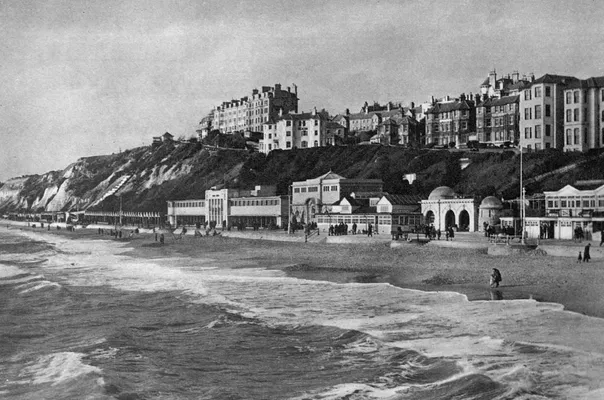
In March 1935 the seaside resort town of Bournemouth was shaken by a sensational murder. Retired architect Francis Mawson Rattenbury, aged 67, was found dead at his home, Villa Madeira, on Manor Road. Accused of his murder were his younger wife Alma Rattenbury, and her lover, 18-year-old gardener George Stoner.This case would end in further tragedy, and in this special blog, using pages from the British Newspaper Archive, we explore how murder came to the genteel town of Bournemouth in the
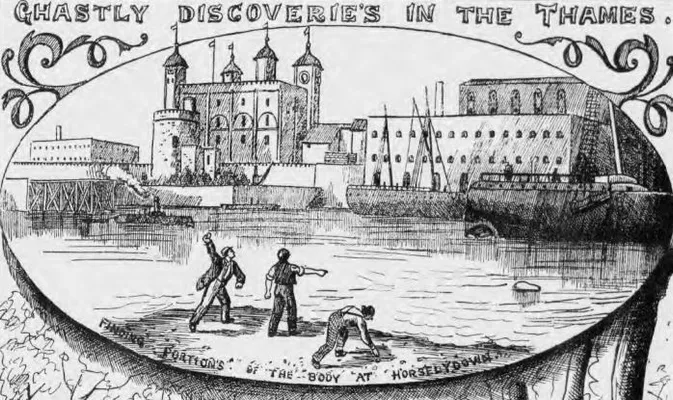
Pages from the British Newspaper Archive abound with reports of crimes and their perpetrators, and some of the most intriguing of these are the UK’s unsolved murder cases, where a verdict of ‘murder by person or persons unknown’ has been reached.In this special blog, we explore five of the most notorious unsolved murders from UK history, ranging from the Thames mystery of the late 1880s, which came to be overshadowed by the Jack the Ripper killings, to the strange
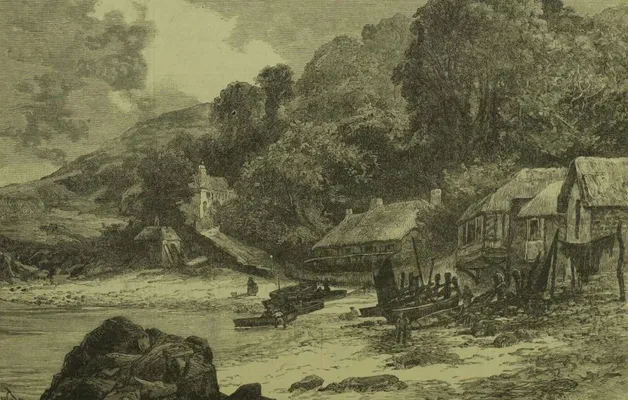
In this special blog, using pages from the British Newspaper Archive, we take a look at one of the most notorious murders of the nineteenth century, that of Miss Emma Ann Whitehead Keyse, and the surprising fate that awaited her accused murderer, John Lee.Want to learn more? Register now and explore The ArchiveEmma Keyse was around the the age of sixty-eight, and lived in Babbacombe, just outside of Torquay, Devon. She was apparently a former lady-in-waiting to Queen
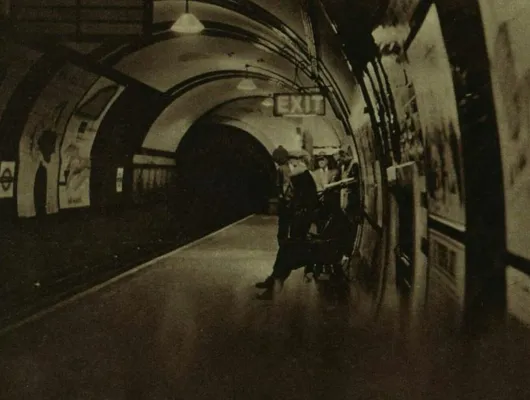
Reading like a 1950s noire novel, or a Cold War thriller from the pen of John le Carré, the murder of Polish aristocrat Countess Teresa Lubienska on the platform of Gloucester Road Underground station shocked the nation, and provoked a massive man hunt that saw 18,000 people interviewed over the following months.Belfast Telegraph | 25 May 1957Using contemporary articles found in the British Newspaper Archive, we explore the circumstances of Countess Lubienska’s murder, the possible motives behind her killing, and the efforts
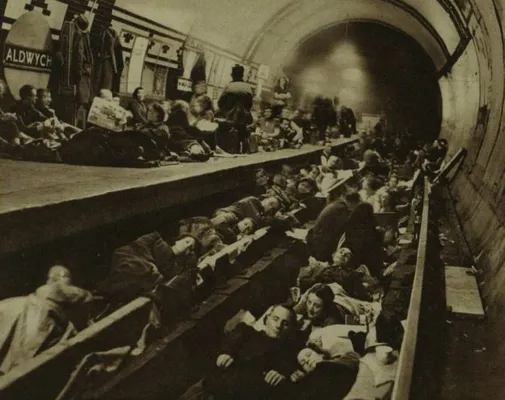
When the Blitz began on 7 September 1940, ‘It was the people of London who took command…Men, women, and children went straight to the safest place they could think of – the Underground stations.’In this special blog, over 80 years after the beginning of the Blitz, we take a look at how London’s main transport system – the Underground –  became a popular place of shelter for those seeking protection from the German bombing campaign, using an assortment of articles and photographs all to be
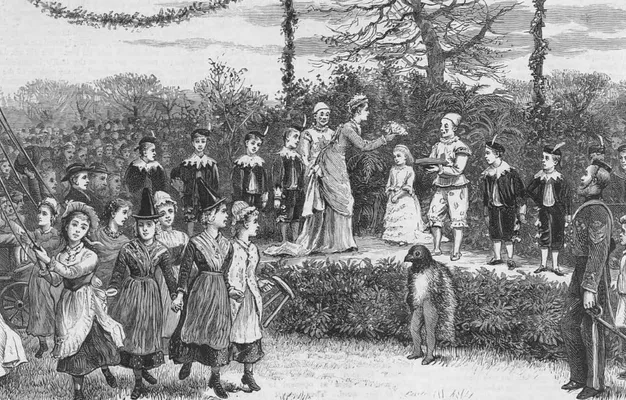
In this special blog we use the remarkable photographs and illustrations contained in our Newspaper Archive to trace the tradition of the May Queen over one hundred and fifty years, as well as exploring the origins of this fascinating ritual.We start out at Wymering, just outside of Portsmouth, in 1867. It was here, in the ‘latter part of the month of merrie May’, that a May Queen was crowned. The Illustrated Times tell us that the event is looked forward
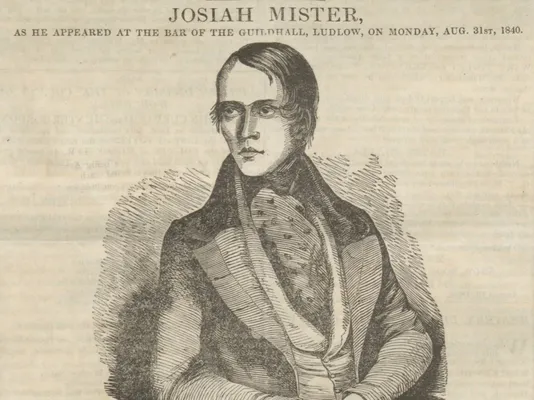
It’s 1841 and Josiah Mister is on trial in Shrewsbury for attempted murder – committed at the Angel Inn in Ludlow.The victim was William Mackreth, a trader from Bristol who was in the town for the summer fair. In the early hours of the morning, he was brutally attacked by someone who’d been hiding under his bed. He managed to fight him off and his assailant escaped; a trail of blood led to Josiah’s room and he was arrested.But did
American troops
In honour of Remembrance Day, during the month of November, The British Newspaper Archive will be focusing our attention on military in the newspapers.  Coming up this month we will feature blogs about our special military titles, researching military history, women and war, and wartime rationing and fashion, as well as a guest blog about a remarkable Great War discovery from The Archive.  To begin our military month, we are delving into the newspaper headlines through the years for the
Black cat
Of witches and witchcraftAs we kick off our Halloween celebrations and delve into the history, contained within the newspapers, of witches and witchcraft (and supernatural beings), it is imperative that we preface this — perhaps unnecessarily — with an important disclaimer and reminder: witches, in the sense of practitioners of malevolent powers to do evil works, never existed. Those persecuted during the sixteenth century and onward were, more often than not, local healers and midwives.In 1562, Queen Elizabeth passed the law
Elizabeth Ross, the convicted burkeite
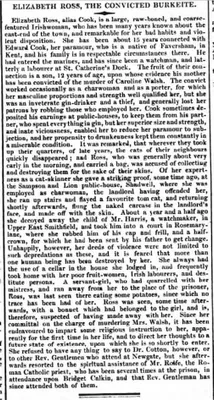
The British Newspaper Archive is proud to feature a guest blog by author Naomi Clifford.  In 2016, Naomi Clifford wrote The Disappearance of Maria Glenn, a story of crime and coercion about the abduction of a sugar plantation heiress.  This year, Clifford is back with a new book, Women and the Gallows 1797-1837: Unfortunate Wretches. Her research into the 131 women hanged in England and Wales involved extensive research in the British Newspaper Archive.  Eliza Ross is just one name featured in the