Skip to content

Search the blog

Tag: indiaTag: traditionsTag: blitz
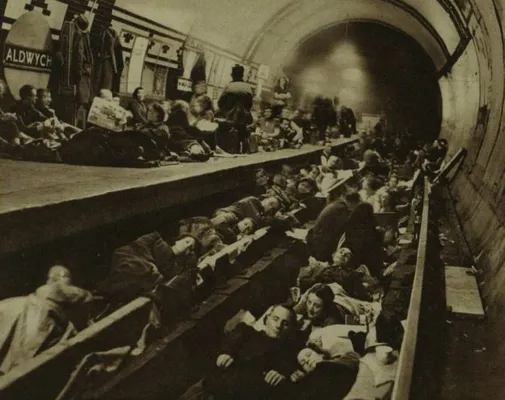
When the Blitz began on 7 September 1940, ‘It was the people of London who took command…Men, women, and children went straight to the safest place they could think of – the Underground stations.’In this special blog, over 80 years after the beginning of the Blitz, we take a look at how London’s main transport system – the Underground –  became a popular place of shelter for those seeking protection from the German bombing campaign, using an assortment of articles and photographs all to be
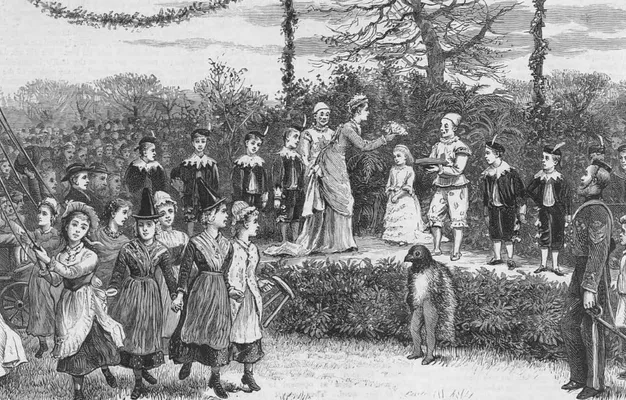
In this special blog we use the remarkable photographs and illustrations contained in our Newspaper Archive to trace the tradition of the May Queen over one hundred and fifty years, as well as exploring the origins of this fascinating ritual.We start out at Wymering, just outside of Portsmouth, in 1867. It was here, in the ‘latter part of the month of merrie May’, that a May Queen was crowned. The Illustrated Times tell us that the event is looked forward
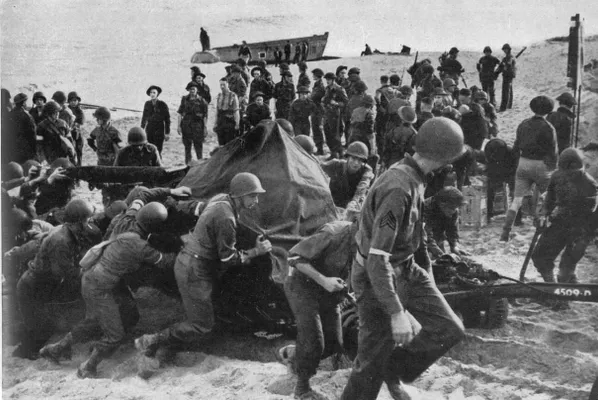
American troops
In honour of Remembrance Day, during the month of November, The British Newspaper Archive will be focusing our attention on military in the newspapers.  Coming up this month we will feature blogs about our special military titles, researching military history, women and war, and wartime rationing and fashion, as well as a guest blog about a remarkable Great War discovery from The Archive.  To begin our military month, we are delving into the newspaper headlines through the years for the
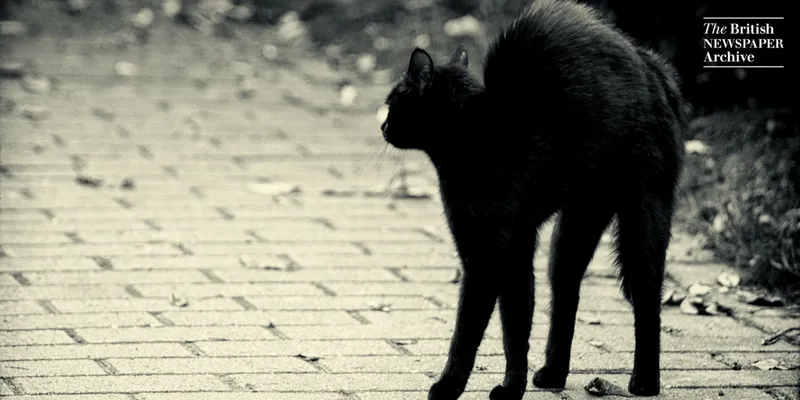
Black cat
Of witches and witchcraftAs we kick off our Halloween celebrations and delve into the history, contained within the newspapers, of witches and witchcraft (and supernatural beings), it is imperative that we preface this — perhaps unnecessarily — with an important disclaimer and reminder: witches, in the sense of practitioners of malevolent powers to do evil works, never existed. Those persecuted during the sixteenth century and onward were, more often than not, local healers and midwives.In 1562, Queen Elizabeth passed the law
This week The British Newspaper Archive is thrilled to announce the release of a brand new title, The Atlas or, in its full form, The Atlas and General Newspaper and Journal of Literature.  The size of the paper caused a sensation when it first came out.  The London based newspapers was printed on 40cm sheets, double the size of average papers, making it the largest newspaper.  Its size was reflected in the price of 10d, which would be close to £5
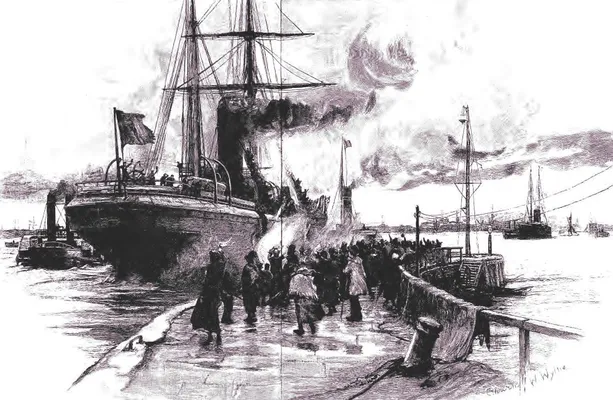
Emigrant leaving the harbour. The Graphic. October 1891
The British Newspaper Archives holds a unique collection of newspapers.  Along with local and national papers, you will find a number of speciality titles.   Here are some of the titles we hold that focus on the themes of migration and shipping.The Homeward Mail from India, China, and the EastFirst published on 1 January 1857 by Messrs. Smith, Elder, & Co. this title is a compendium of political, military, and economic news from the East. A predominant part of the paper is
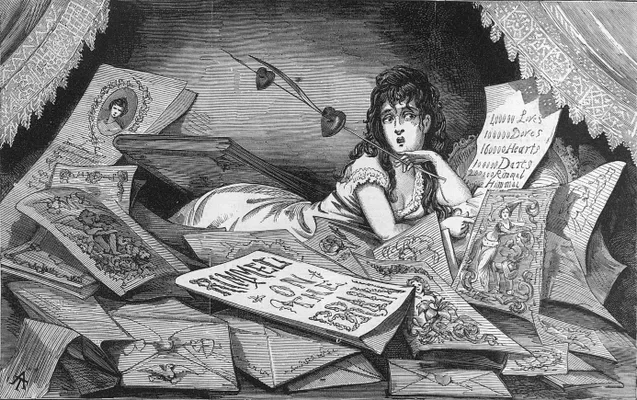
Valentine’s Day in its present iteration is inexorably linked to both romantic love and commercialism. It inspires strong feelings, both for and against this day of chocolate boxes and heart-shaped cards. However, the day and its traditions have not been static. In performing a simple search for ‘Valentine’s Day’ on The British Newspaper Archive, you can start to see the ways in which the holiday — and its reception — have changed (and, occasionally, stayed the same) over the years.An 1845 description
The British Newspaper Archive brings you news from India, China, and further East during the height of the British Empire.  The Homeward Mail from India, China and the East was first published in 1857 by Messrs. Smith, Elder, & Co. and provided Britain with news from its colonies in the East.  The publishing company also produced the first Dictionary of National Biography and worked with major authors such as Charlotte Brontë, George Eliot, Alfred Tennyson, and Arthur Conan Doyle.  Along with The
A 13-year-old schoolboy has held the record for the highest cricket score for over 100 years.Arthur Edward Jeune ‘James’ Collins, also known by the initials A. E. J. Collins, scored an incredible 628 not out in June 1899. The cricket match took place over four days at Clifton College in Bristol.Blackburn Standard reports a score of ‘628 not out’A copy of the Blackburn Standard printed on 1 July 1899 reveals that Collins achieved the majority of his team’s total score. Out of a