Skip to content

Search the blog

Tag: canadaTag: suffrageTag: traditions
Alice Maud Mary Arncliffe-Sennett was an energetic militant suffragette, determined to fight for women’s suffrage even if that meant getting arrested and going against prominent leaders such as Emmeline Pankhurst and Milicent Fawcett.  Through the newspapers, we can find details about Arncliffe-Sennett’s life, career, and activism.Alice, or Maud as she was often called, lived in London and worked as an actress.  Her stage name was Mary Kingsley.  Here is a review by The Era of her performance as Lady
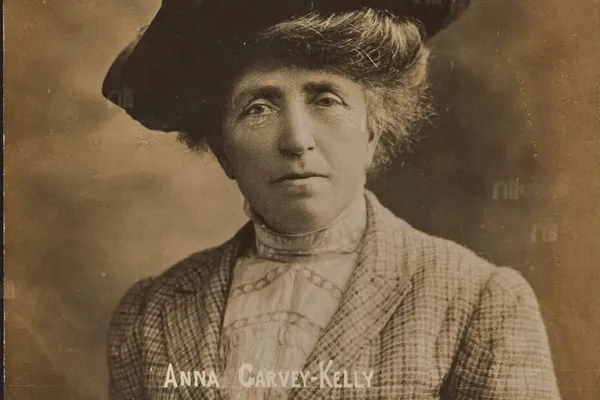
This year, in recognition of the centenary of the Representation of the People Act 1918, we will showcase the lives and activities of women involved in the Suffrage movement of the late nineteenth and early twentieth century.Despite making headlines for their activities many of these women are now forgotten.In this blog post we will revive the memory of Irish Suffragette, Anna Garvey Kelly, whose support of the cause of Suffrage saw her spend a month in Holloway prison in
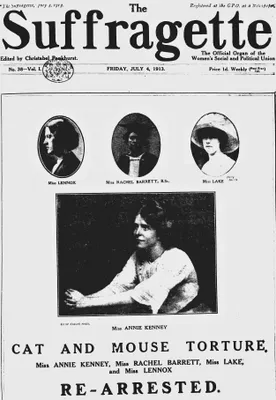
Annie Kenney gained attention in her work for the suffrage movement in 1905 following her arrest for assault and obstruction during a rally in Manchester. Kenney would become one of the leading figures in the Woman’s Social and Political Union and face imprisonment multiple times during her activist career fighting for the right to vote.Click on an image below to enlarge then use the arrows to move image by image throughout the collection. In the image viewer, you can also
Emmeline Pankhurst
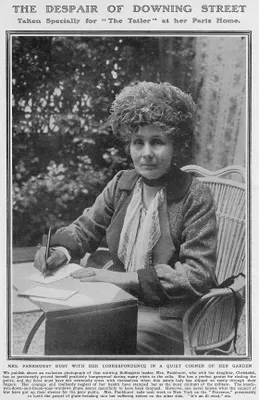
One name that you will doubtless encounter if you’ve spent any time researching the suffrage movement in England is Pankhurst. Emmeline and her daughters were actively engaged in the work, with Emmeline and, later, her eldest daughter, Christabel, leading the Women’s Social and Political Union.Click on the next arrow to scroll through eleven images featuring one of the most famous suffragettes in history.[Best_Wordpress_Gallery id=”44″ gal_title=”Emmeline Pankhurst”]Subscribe today and discover more stories on the suffrage movement
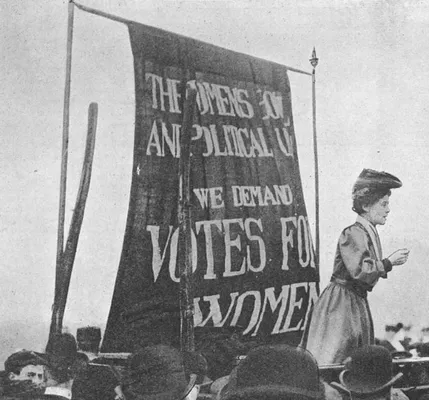
This year, 2018, is the 100 year anniversary of the Representation of the People Act 1918.  The Act which gave propertied women over the age of thirty, and all men over the age of twenty-one, the right to vote.  Over the course of 2018 we aim to digitise several suffragette and women’s newspapers.  These papers will allow us to explore the suffrage movement, and the social sphere of the women who campaigned for the right to vote.We are delighted to be able to
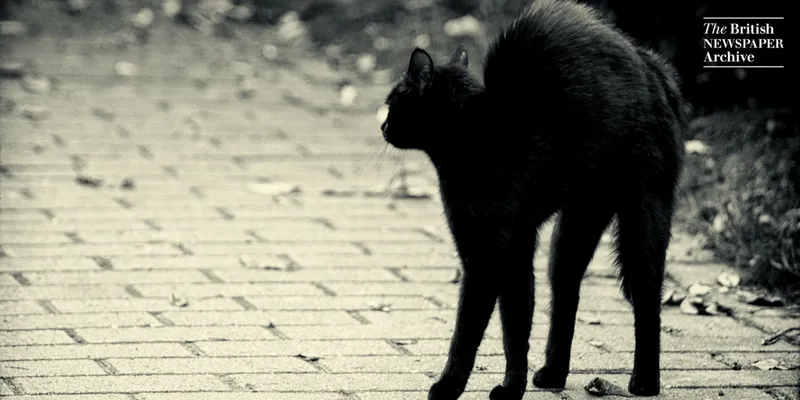
Black cat
Of witches and witchcraftAs we kick off our Halloween celebrations and delve into the history, contained within the newspapers, of witches and witchcraft (and supernatural beings), it is imperative that we preface this — perhaps unnecessarily — with an important disclaimer and reminder: witches, in the sense of practitioners of malevolent powers to do evil works, never existed. Those persecuted during the sixteenth century and onward were, more often than not, local healers and midwives.In 1562, Queen Elizabeth passed the law
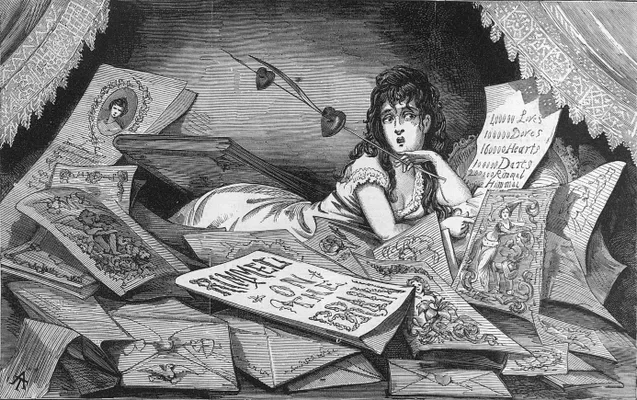
Valentine’s Day in its present iteration is inexorably linked to both romantic love and commercialism. It inspires strong feelings, both for and against this day of chocolate boxes and heart-shaped cards. However, the day and its traditions have not been static. In performing a simple search for ‘Valentine’s Day’ on The British Newspaper Archive, you can start to see the ways in which the holiday — and its reception — have changed (and, occasionally, stayed the same) over the years.An 1845 description