Skip to content

Search the blog

Tag: blitzTag: suffragettesTag: literature
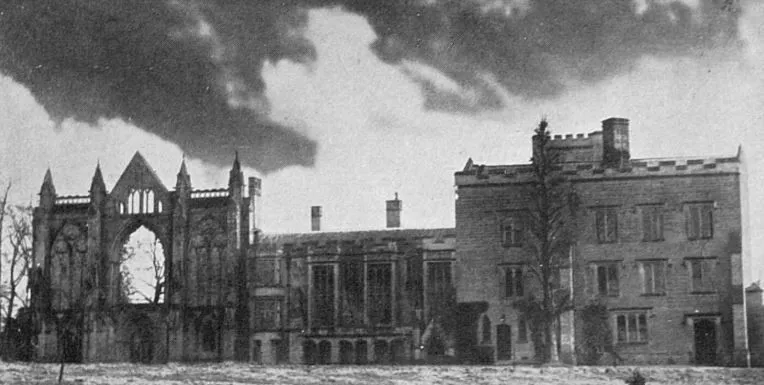
THROUGH thy battlements, Newstead, the hollow winds whistle;Thou, the hall of my fathers, art gone to decay;In thy once smiling garden the hemlock and thistleHave choked up the rose which late bloomed in the way.So wrote the poet Lord Byron, inspired by his ancestral home of Newstead Abbey. Using pages from the British Newspaper Archive, this blog will explore Byron’s affinity with the ancient building, and how Newstead Abbey beat the odds to survive until the
This week we have added 70,450 new pages to The Archive, with two new and very important titles joining us from home and abroad.We have added an extensive run of pages to the Westminster Gazette, which was seen by some as ‘the most powerful paper in Britain.’ Established in 1893 by E.T. Cook, the Westminster Gazette was a liberal newspaper, which found its audience in London’s gentlemen’s clubs and was consequently known as a ‘clubland paper.’ Despite this audience being small,
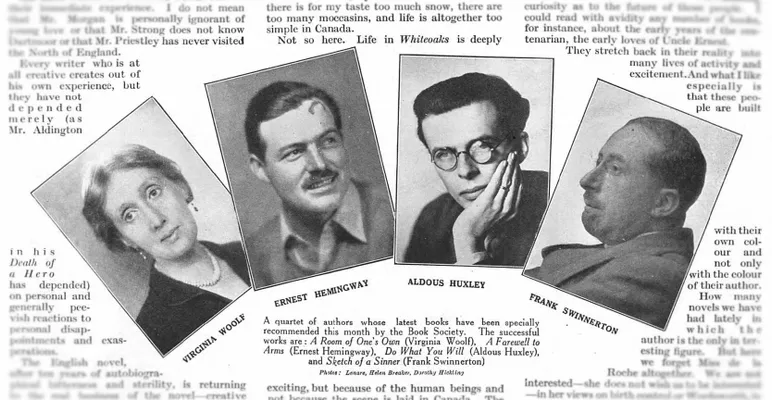
Novelist Edwin Muir attempted in 1926 to identify those writers who were ‘influencing the development of literature’ (Nottingham Journal, October 1926) in a series of essays entitled Transition. His choices, which included Virginia Woolf, James Joyce and D.H. Lawrence, amongst others, survived the test of time and as such represent the most celebrated authors of the modernist period.Graphic | 26 October 1929Using reviews taken from the pages of the British Newspaper Archive, and limiting our search to only those written in the 1920s,
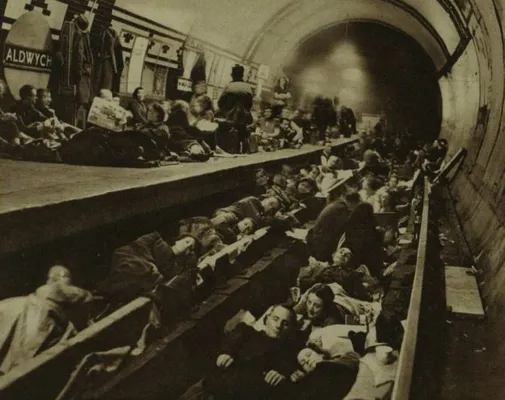
When the Blitz began on 7 September 1940, ‘It was the people of London who took command…Men, women, and children went straight to the safest place they could think of – the Underground stations.’In this special blog, over 80 years after the beginning of the Blitz, we take a look at how London’s main transport system – the Underground –  became a popular place of shelter for those seeking protection from the German bombing campaign, using an assortment of articles and photographs all to be
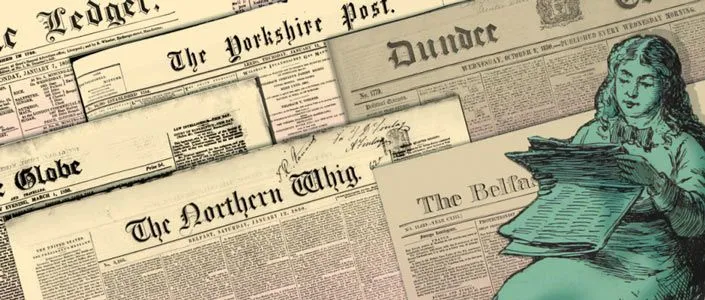
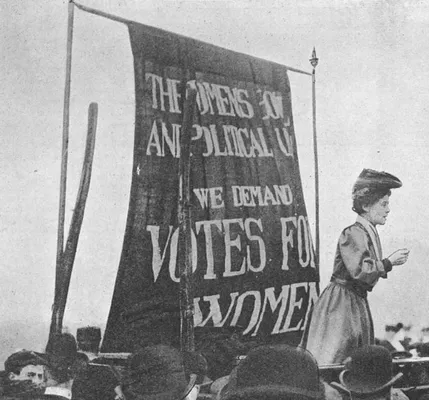
This past week we released 105,098 pages to The Archive.  In time for International Women’s Day we are thrilled to add nine new titles to our Suffragette Collection.  We have also  updated four existing titles including The Globe for which we now have editions spanning 1804 to 1921, and our recently added Scottish title The North Star and Farmer’s Chronicle for which we now have a run from 1893 to 1911.Our new titles represent the full spectrum of the feminist and suffrage movements, from
Alice Maud Mary Arncliffe-Sennett was an energetic militant suffragette, determined to fight for women’s suffrage even if that meant getting arrested and going against prominent leaders such as Emmeline Pankhurst and Milicent Fawcett.  Through the newspapers, we can find details about Arncliffe-Sennett’s life, career, and activism.Alice, or Maud as she was often called, lived in London and worked as an actress.  Her stage name was Mary Kingsley.  Here is a review by The Era of her performance as Lady
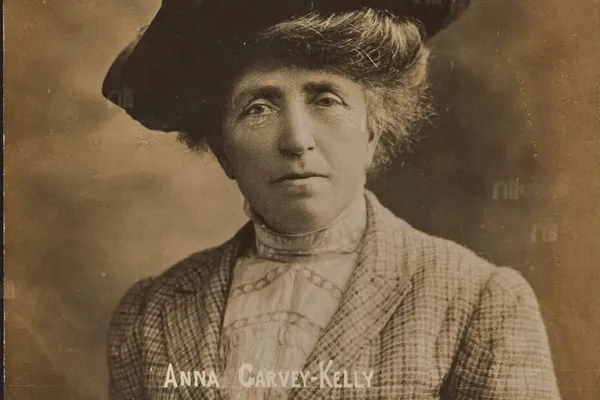
This year, in recognition of the centenary of the Representation of the People Act 1918, we will showcase the lives and activities of women involved in the Suffrage movement of the late nineteenth and early twentieth century.Despite making headlines for their activities many of these women are now forgotten.In this blog post we will revive the memory of Irish Suffragette, Anna Garvey Kelly, whose support of the cause of Suffrage saw her spend a month in Holloway prison in
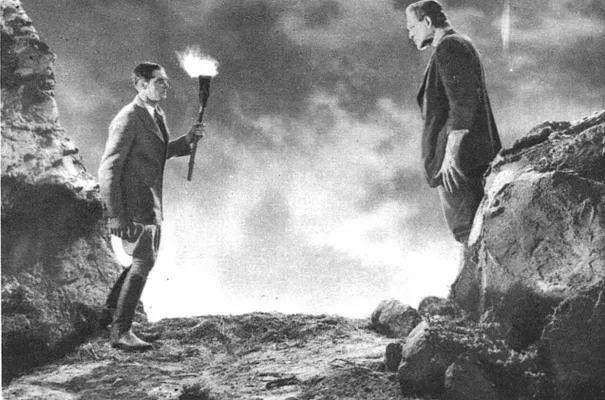
2018 marks the 200th anniversary of the publication of Mary Shelley’s Frankenstein, the iconic novel about the young scientist, Victor Frankenstein, and the monster he created in his laboratory.  In this post, we will take a look at the history of the novel, a critical early review, the novel’s origins, and its various adaptations for the stage and screen.PublicationThe Morning Post printed a notice of the publication of a new novel, ‘Frankenstein, or The Modern Prometheus’, by an anonymous
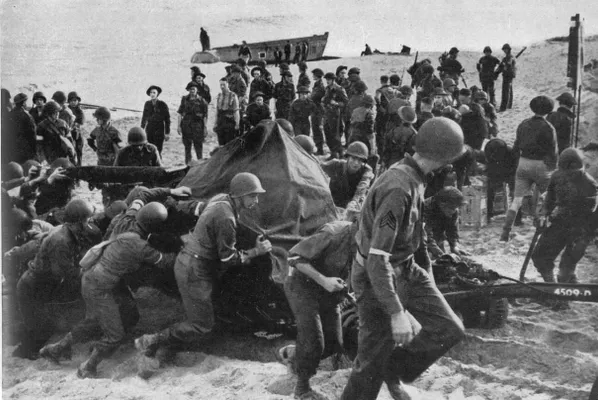
American troops
In honour of Remembrance Day, during the month of November, The British Newspaper Archive will be focusing our attention on military in the newspapers.  Coming up this month we will feature blogs about our special military titles, researching military history, women and war, and wartime rationing and fashion, as well as a guest blog about a remarkable Great War discovery from The Archive.  To begin our military month, we are delving into the newspaper headlines through the years for the
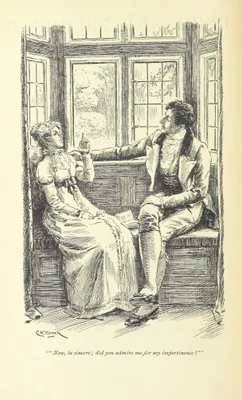
Elizabeth Bennet and Mr Darcy
This day marks the 200th anniversary of Jane Austen’s death. During the last two centuries, Jane Austen has become a household name. Austen and her modest-sized collection of works has enjoyed a vibrant presence in both academia and western culture, from quotes on magnets and clothing to movie adaptations and sequels to her novels. Austen’s name is equally as at home in highbrow literary essays and criticism as it is in contemporary periodicals meant for mass consumption, such as the