Skip to content

Search the blog

Tag: blitzTag: news
The British Newspaper Archive, in partnership with the British Library, has been bringing history to life for over a decade through the pages of its extensive collection. We are now delighted to announce that the British Library will be extending this long-term partnership, and together we will continue to digitise more and more historic newspaper titles from across the United Kingdom and beyond.First launched in 2011, the British Newspaper Archive, working with the British Library, has so far digitised over 42
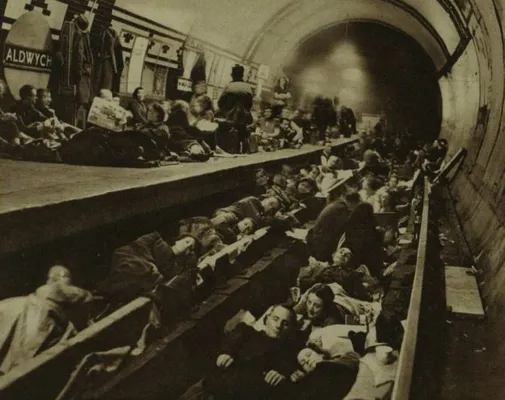
When the Blitz began on 7 September 1940, ‘It was the people of London who took command…Men, women, and children went straight to the safest place they could think of – the Underground stations.’In this special blog, over 80 years after the beginning of the Blitz, we take a look at how London’s main transport system – the Underground –  became a popular place of shelter for those seeking protection from the German bombing campaign, using an assortment of articles and photographs all to be
This week we are pleased to announce a major development in our ongoing partnership with Trinity Mirror.  Over the next two years, we will publish upwards of 12 million pages from the Trinity Mirror archive.We have already started work on this exciting project and you can now read the Birmingham Daily Gazette to 1956, The Birmingham Post to 1972, and the Daily Herald to 1961.Digitisation is well underway at our studio in Boston Spa, with up to 100,000 pages being scanned each week.
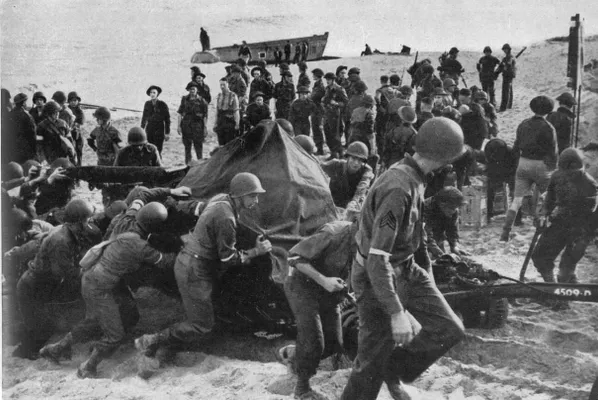
American troops
In honour of Remembrance Day, during the month of November, The British Newspaper Archive will be focusing our attention on military in the newspapers.  Coming up this month we will feature blogs about our special military titles, researching military history, women and war, and wartime rationing and fashion, as well as a guest blog about a remarkable Great War discovery from The Archive.  To begin our military month, we are delving into the newspaper headlines through the years for the
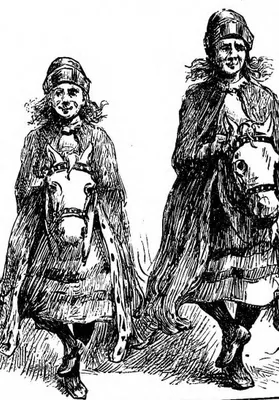
The Clog Dance
This week’s episode of Who Do You Think You Are? took us down under and all over Australia. Craig Revel Horwood was able to learn how his ancestors on both sides of his family came to be in Australia and what activities occupied their days, from mining for gold to clog dancing.Convicts in the familyCraig’s family history journey began with his sister’s retelling of their great-great grandfather Moses Horwood being convicted of theft and transported to Australia.While
Purchasing powered by PayPalNow for the first time on The British Newspaper Archive, you can purchase any subscription or credits by using PayPal!In using PayPal, you can purchase using your own currency wherever you are in the world: PayPal currently allows vendors to receive payment in over 100 different currencies.Protecting customers and their information is of the upmost importance to us. PayPal has a Global Privacy Team, headed by our Chief Privacy Officer, focused on our strong commitment
Last night, the final episode aired of this series of Who Do You Think You Are? It explored the ancestry of BBC anchor Sophie Raworth, and provided an opportunity to reflect on the discoveries of this series, particularly the passions and professions that have been shared throughout the generations of a family — oftentimes unknowingly! Sophie’s family was no exception to this pattern.Musical MottsAn early discovery in last night’s episode was that Sophie has several ancestors who were involved
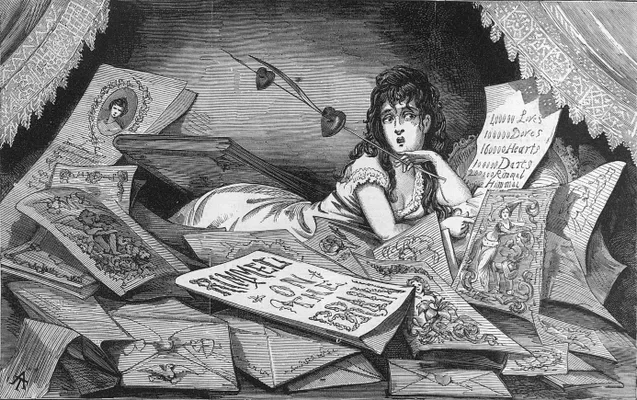
Valentine’s Day in its present iteration is inexorably linked to both romantic love and commercialism. It inspires strong feelings, both for and against this day of chocolate boxes and heart-shaped cards. However, the day and its traditions have not been static. In performing a simple search for ‘Valentine’s Day’ on The British Newspaper Archive, you can start to see the ways in which the holiday — and its reception — have changed (and, occasionally, stayed the same) over the years.An 1845 description
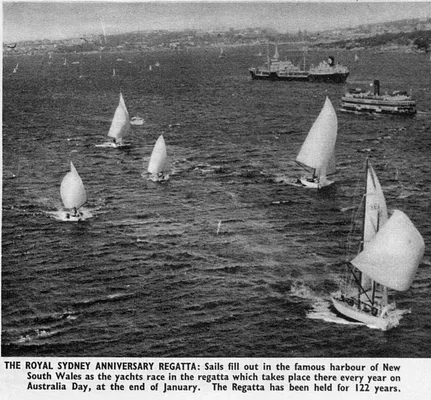
On 26 January 1788, the First Fleet arrived in New South Wales, which saw the flag of Great Britain raised at Sydney Cove and the settlement of the first penal colony. The arrival also marked Britain’s proclamation of sovereignty over Australia’s eastern seaboard. This day has since become a national holiday in Australia: Australia Day. To mark this day, we’ve taken a look into its history and evolution.You can find articles on this historic landing of the First Fleet in The
Whether your ancestors were royalty or the servants of royalty, it can be just as satisfying and surprising to learn where you come from. Last night’s episode of Who Do You Think You Are? was no exception, when Ricky Tomlinson learned that he came from a hardworking line of carters in Liverpool.The New York of EuropeIn the 1800s, Liverpool was a major port city that depended on carters to transport goods from the docks into the city. As