
Skip to content

Search the blog

Tag: blitzTag: historic-newspapers
This week at The Archive we’ve added one brand new title to our collection – the Brighouse Echo – alongside 174,403 brand new pages from across the United Kingdom, Ireland and the Caribbean, as we look forward to St Patrick’s Day on 17 March. Meanwhile, from Belfast to Biggleswade, from Denbigh to Dominica, from St Andrews to Saint Lucia, we’ve updated 57 of our existing titles.So read on to discover more about this week’s new title, West Yorkshire’s Brighouse Echo, as well as to
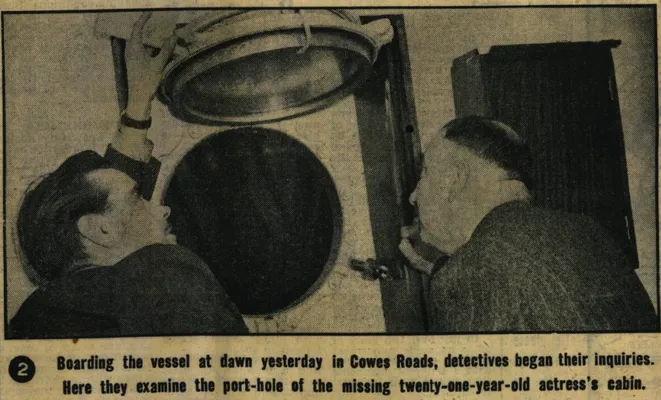
In October 1947, actress Eileen Isabella Ronnie Gibson, also known as Gay Gibson, disappeared from the ship upon which she was travelling home from South Africa. Her disappearance, which later led to a murder trial, hit headlines across the globe, as the sensational case mirrored plots akin to those to be found in books authored by Agatha Christie.In the first part of this special blog series, which you can read here, we took a look at who Gay Gibson was,
This week at The Archive has been another incredibly busy one as we have added 106,443 brand new pages to our collection, with one brand new newspaper from Lancashire, the Fleetwood Weekly News, joining us. Meanwhile, from Londonderry to Lanarkshire, from Maidstone to the Mearns, from West Sussex to Worcestershire, we’ve updated twelve of our existing titles from across England, Scotland and Northern Ireland.So read on to discover more about our new title of the week, which serves the town
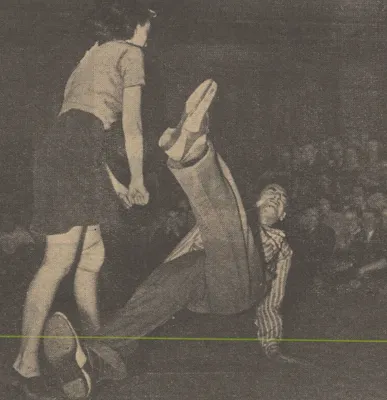
In the 1940s the jitterbug, a type of swing dancing that was pioneered by African American communities in New York during the early twentieth century, took the United Kingdom by storm. The energetic dance, which featured elements of the jive, the charleston, and other swing dances, divided Britain, with it being embraced by those who flocked to dancehalls up and down the country, whilst others viewed it as a morally dangerous American import.In this special blog, using newspapers from
This week at The Archive we have added 216,287 brand new pages, as we mark the 68th anniversary of Princess Margaret’s ‘courageous decision’ not to marry divorced royal equerry Group Captain Peter Townsend. Meanwhile, we have added one brand new title this week, which covers an extreme Scottish political party, whilst we have made extensive additions this week to our existing newspapers from across the United Kingdom.So read on to learn more about how the press in 1955 reacted to Princess
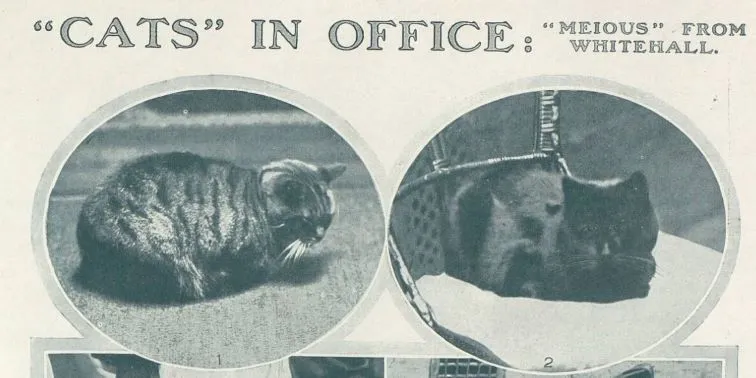
From David Lloyd George’s Welsh terrier to John Major’s sunburnt goldfish, British politics has a rich history of parliamentary pets. These pets in office often stole the limelight from their human colleagues, and were sometimes even officially employed in their roles.In this special blog, we detail twelve parliamentary pets, from canaries to cats. We look at how some animals became symbols of good luck, and how others contributed to political storms. We tell their stories using pages from our
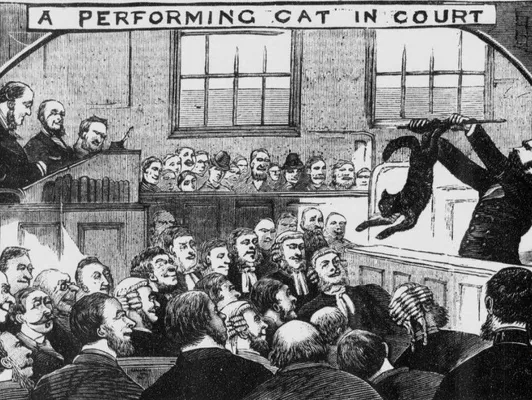
Cats have been companions to humans for an estimated 10,000 years, and in this special blog, we present fourteen remarkable cat tales taken from the pages of our newspaper Archive. From felines with a predilection for travel, to heroic cats responsible for saving lives, as well as those who made use of all of their nine lives, we’ve scoured our collection to bring you some of the most extraordinary cat stories from history.Register now and explore the Archive1. The Cat
Our newspaper Archive contains many thousands of obituaries and death notices, which can help you unlock fascinating information and stories about your family history. In this special blog, we present your guide to obituaries on The Archive: how to search them, where to find them, and how to make the most of them for your family history research. But first, what is an obituary?Register now and explore the ArchiveWhat Is An Obituary?An obituary, according to the Cambridge
This week at The Archive we have been immensely busy adding 397,534 brand new pages to our newspaper collection, with the addition of four brand new titles from Kent, Suffolk and Manchester. Meanwhile, we’ve been busy updating our existing titles from across England, Scotland, Northern Ireland and the Republic of Ireland.So read on to discover more about all of our new and updated titles of the week, and also to find out about the burning of Parliament in October 1834, where
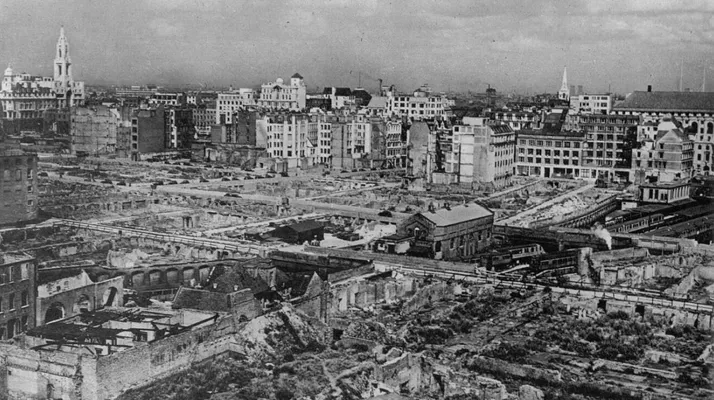
In the decade after the Second World War had come to an end, and indeed beyond, many communities across the United Kingdom were faced with very vivid reminders of the conflict: bomb sites, the country’s ‘war scars.’In this blog, we will examine how people in Britain lived alongside bomb sits in the 1950s, using newspapers taken from The Archive. We will explore how communities adapted to live beside bomb sites, and how they transformed them into gardens and playgrounds.