Skip to content

Search the blog

Tag: birminghamTag: 1930sTag: blitz
In May 1844, the below advertisement appeared in the Cheltenham Chronicle:A Six Weeks Tour, by Steam, to Athens, Smyrna, and Constantinople, calling at Gibraltar and Malta – with the option of visiting, en route, Vigo, Oporto, Lisbon, and Gibraltar. The Peninsular and Oriental Steam Navigation Company’s well-known splendid Steam Ship ‘Tagus,’ 900 tons and 300 horse power, will start from Blackwall on Thursday, 20th June, for the above ports.Time occupied in the Passage, out and home, about six weeks – very superior accommodation
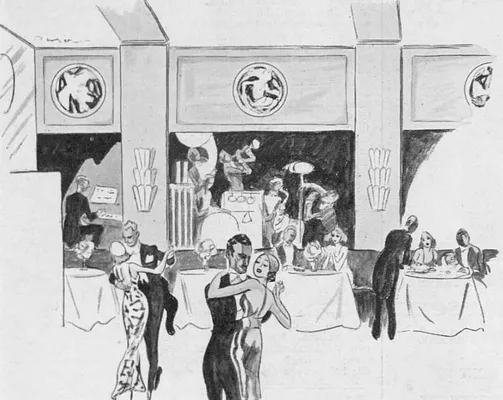
For just over a month in the summer of 1934, the Caravan Club in Endell Street, Holborn, was ‘London’s Greatest Bohemian Rendezvous.’ A safe space for society’s outcasts, it was a temporary haven for London’s marginalised LGBTQ community, home to an eclectic mix of clientele, from cabaret performers to bright young things.But in the early morning of 25 August 1934, the music ended. London’s Caravan Club was raided by the Metropolitan Police, whilst both its owners and members faced criminal charges.The
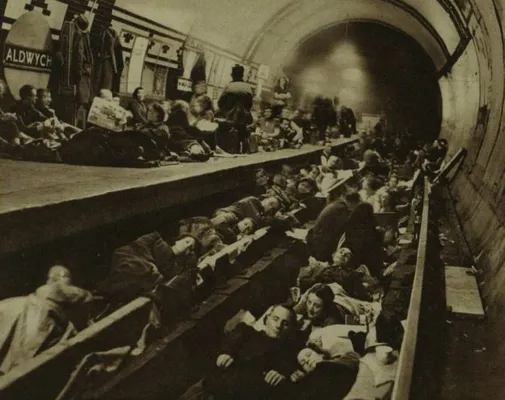
When the Blitz began on 7 September 1940, ‘It was the people of London who took command…Men, women, and children went straight to the safest place they could think of – the Underground stations.’In this special blog, over 80 years after the beginning of the Blitz, we take a look at how London’s main transport system – the Underground –  became a popular place of shelter for those seeking protection from the German bombing campaign, using an assortment of articles and photographs all to be
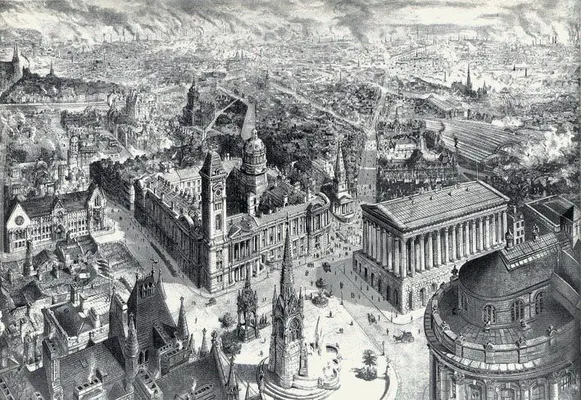
The British Newspaper Archive is an unrivalled resource when it comes to tracing local history. Where else would you find millions of forgotten stories from your street, town or city all documented and ready to be discovered? Take Birmingham for example. The Archive contains over 50,000 pages and and a varied range of titles from the UK’s ‘Second City’ and this guide will show you how to make the most of them.Register now and view Birmingham newspapers for FREEYou
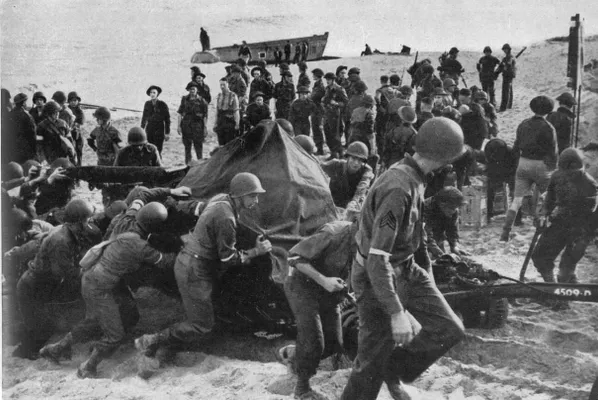
American troops
In honour of Remembrance Day, during the month of November, The British Newspaper Archive will be focusing our attention on military in the newspapers.  Coming up this month we will feature blogs about our special military titles, researching military history, women and war, and wartime rationing and fashion, as well as a guest blog about a remarkable Great War discovery from The Archive.  To begin our military month, we are delving into the newspaper headlines through the years for the
Trinity College, Dublin
Emma Willis explored the back streets of Birmingham, uncovered a violent ancestor, and revealed magnificent Irish craftsmanship in her family tree.  In this week’s episode of Who Do You Think You Are?, we followed the lives of three of Willis’ ancestors: James Gretton, Richard Fowler, and Michael Kirwan.  We will take a closer look at the newspapers and explore what more we can discover about the stories and lives revealed.James GrettonEmma Willis found out that her three-time great
This week thousands have assembled at Who Do You Think You Are? Live in Birmingham to demolish those brick walls, learn new tricks of genealogy, and hear about the latest news of family history.  Most of us have searched the newspapers for obituaries, but much more can be revealed about our ancestor’s lives than the memorials at their death.  Today, we will take a look at the divorce courts, bankruptcy notices, illegitimacy cases, and committee minutes.The mid- to late
WW1 editions of the Evening Despatch now onlineThe Evening Despatch was published in Birmingham throughout World War One. Over 4,000 pages from newspapers published in 1915, 1917 and 1918 have just been made available to search online.Search the Evening Despatch  Newspaper pages added every weekThousands of extra pages are added to The British Newspaper Archive each week. We’ll be adding more from the Evening Despatch soon, so be sure to check the recent additions regularly.See what’s been added in the