Skip to content

Search the blog

Tag: 1920sTag: recipes
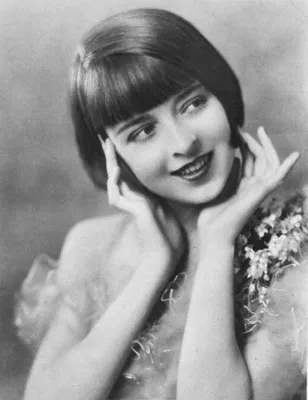
‘Short hair is not a whim of fashion; it is significant for an adaptation to modern existence,’ so proclaimed hairdresser Monsieur Eugène in 1929 (Britannia and Eve, August 1929).In this special blog, using pages from the British Newspaper Archive, we explore one of the most iconic fashions of the 1920s – the bob. We look at its cultural impact, its most famous wearers, and how women achieved and maintained the perfect bobbed style.Want to learn more? Register now and explore The
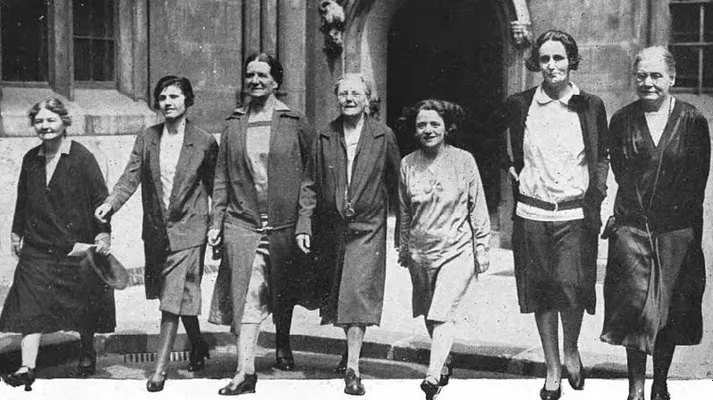
The 1920s were time of greater freedoms and liberation for women. They cropped their hair, their dresses got shorter and shorter; it was socially acceptable for them to drive, drink and smoke. But such freedoms would not have been possible without the pioneering women who not only shaped the decade, but the many years to come.Graphic | 27 July 1929In this special blog, using the British Newspaper Archive, we take a look at five of these remarkable women and their work.
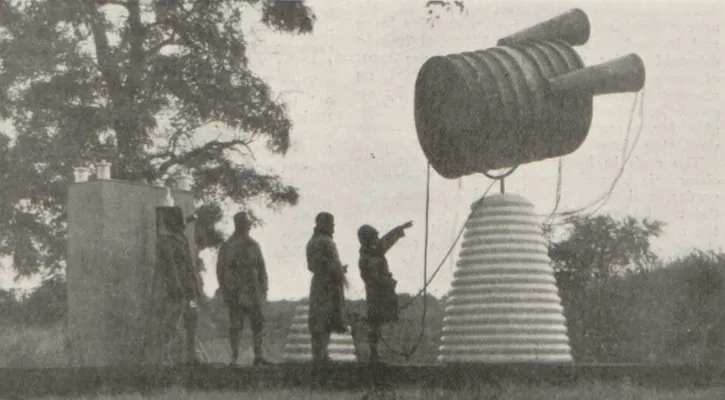
The 1920s were a decade of firsts and innovations, and many of the things we take for granted today have their roots in this eventful decade. From televisions to fridges, from roller coasters to Branston Pickle, from crosswords to death rays, we take a look at just a few of the brilliant and bizarre inventions that stemmed from the 1920s – using advertisements and articles from the British Newspaper Archive.Want to learn more? Register now and explore The Archive1. TELEVISION
Register today!It is that time of the year.  The trees have been decorated, the lights strung up around the windows, nativity scenes assembled, and stockings hung (by the chimney with care).  It also means that it is time to start planning your Christmas dinner.  For many of us, that means making travel arrangements, but for the hosts of these pivotal dinners, it means creating an efficient plan, ordering the turkey, picking the best vegetables, and food preparation.  To help
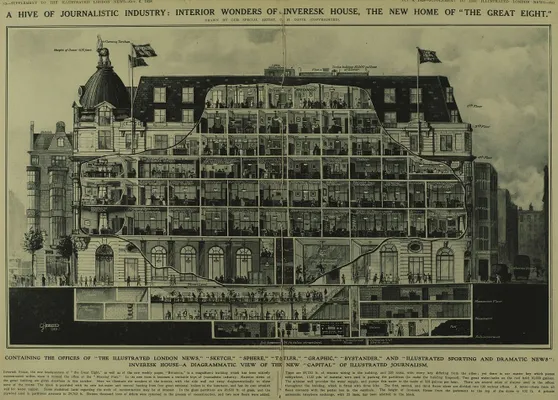
The Illustrated London News, the world’s first illustrated newspaper, debuted in 1842.  Over the decades, the publishers expanded into the ‘great 8’ titles: Sketch, Sphere, Tatler, Graphic, Bystander, Illustrated Sporting and Dramatic News, and Britannia and Eve.  In 1928, the Illustrated London News published an illustration of the interior of their own offices at Inveresk House, ‘a hive of journalistic industry’.Discover more about the history of the Illustrated London NewsIn the image, you can see the offices of the individual editors
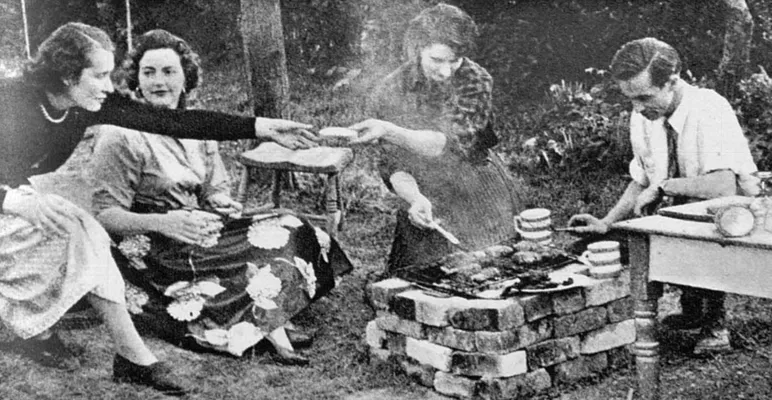
It is that time of year.  The sun is shining and we have been to the DIY store at least three times to buy new patio furniture or get new flowers.  The gardens are set and now we need to get the barbeque prepped and have friends over to enjoy the sun.  This month, in Cookery Corner, explore the British Newspaper Archive for some delicious recipes to have for your barbeque.Barbecue PartiesWe can see from the newspapers, outside
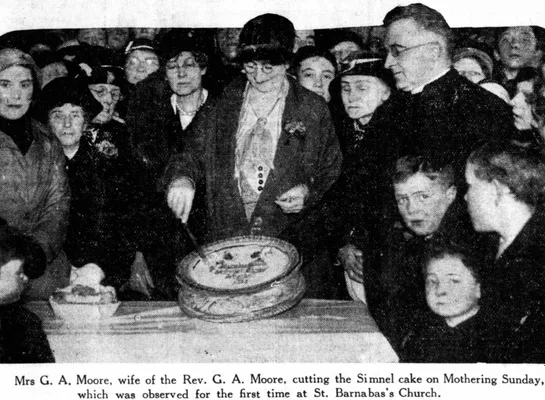
Whilst Mothering Sunday is now commonly combined and celebrated with the secular holiday of Mother’s Day in the United Kingdom and Ireland, its origin is religious in nature and separate from that of the American Mother’s Day.Starting in the 1700s, individuals would attend a special service on Laetare Sunday (the fourth Sunday of Lent) at their mother church (usually the church where an individual was baptised or their local parish church/closest cathedral). This activity was soon coined as going
You can search more than 390,000 newspaper pages from 1914-1918 at The British Newspaper Archive, with more being added all the time. Juliet Greenwood got in touch to explain how she used the collection to research World War One recipes for her novel, We That Are Left.**************When I first began writing a novel set during the First World War, I knew I wanted to focus on the experience of women and civilians.For Elin, the heroine of We That Are Left,
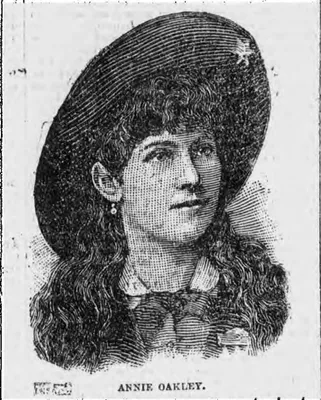
Annie Oakley (aka Phoebe Ann Moses), the sharpshooter who found fame in Buffalo Bill’s Wild West Show, died in North Star, Ohio, on 3 November 1926 – she was 66.  Oakley was a champion rifle, wing, and trick shot.  She received international fame.  On one occasion, when Annie was in London,‘five monarchs were present, and one of them, a man who was afterwards to rule as Wilhelm II of Germany, expressed a desire to have the ash removed from his cigar by a