Skip to content

Search the blog

Tag: victorianTag: liverpool
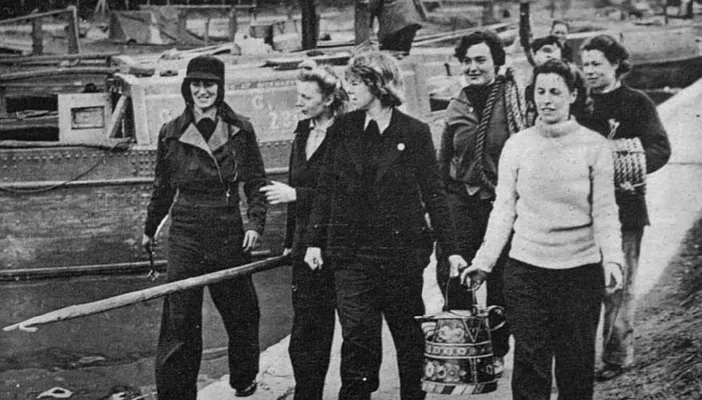
Nicknamed the ‘Idle Women,’ although they were about as far from idle as anybody could possibly be, the women canal workers of the Second World War performed vital war work which is all but forgotten today, some seventy years later.Some of the ‘Idle women’ arriving at a canal dock | The Sphere | 15 April 1944The curious name of ‘Idle Women’ came from the badges that these pioneering women wore, with the initials ‘IW,’ which stood for ‘Inland Waterways’. This moniker, given
‘No more thrilling a tale of guilt and crime, and scarcely one so eloquent in its lessons and cautions to those who are in danger of entering upon a life of unbridled passion, is to be found in all the history of poor humanity than this story of William Palmer.’So reads an article in the Sheffield Independent, 17 September 1888, regarding one William Palmer, better known as the Rugeley Poisoner. William Palmer, a former doctor, was convicted in 1856 for the murder
This week on The Archive we have added 20,428 brand new pages, encompassing seven new titles, which cover England and Wales, as well as a brand new title from Jamaica, a first for the British Newspaper Archive.Register now and explore the ArchiveWe have three new titles joining us this week from Yorkshire, strengthening our collection of newspapers from England’s largest county. We have two new titles from the West Yorkshire town of Batley, including the Batley Reporter and Guardian,
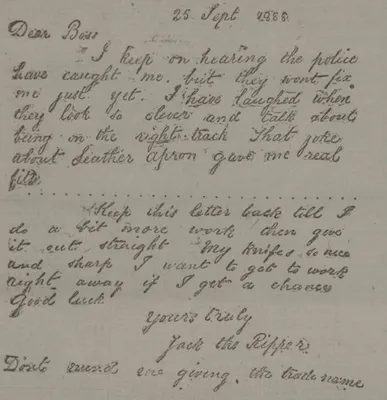
On 27 September 1888, in the midst of a series of horrific murders in Whitechapel, the Central News Office in London received a letter, signed by ‘Jack the Ripper’.Known as the ‘Dear Boss’ letter because of the way it was addressed, the letter changed the way British newspapers reported the Ripper murders.Read newspapers from 1888Facsimiles of the ‘Dear Boss’ letter in the newspapersThe name ‘Jack the Ripper’ reached the British press and general public on 3 October 1888, when Scotland Yard
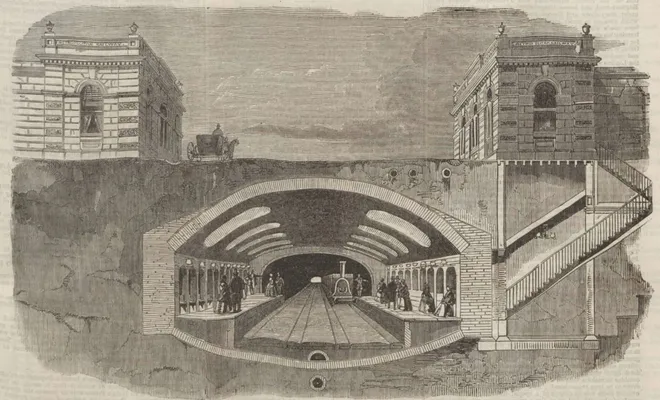
On 10 January 1863 the Metropolitan Railway was opened in London. An unprecedented feat of engineering, the Metropolitan Railway was the first underground railway in the world, forming the basis of the London underground and other global underground systems.In this special blog, we take a look at the historic first three days of the Metropolitan Railway’s existence, from its grand opening on Friday 10 January 1863, to the teething problems it encountered when it opened to the public on the Saturday and Sunday,
This week sees 100,598 brand new pages joining The Archive, with updates to fourteen of our existing titles, as well as five new titles joining our collection.We are delighted to continue to augment our Scottish newspaper holdings, with four brand new Scottish titles added this week. This includes the Ayrshire Post, a weekly title which was founded in 1880 and covers south and east Ayrshire, and another weekly title, the Wishaw Press, which covers north Lanarkshire. Making up our trio of
The British Newspaper Archive holds over 70,000 pages from Liverpool newspapers (and counting), making it an unrivalled resource when it comes to tracing the history of the city and its surrounding areas.Register to View Liverpool NewspapersOur clever search tools allow you to focus your search by looking at papers from Liverpool only and offer the ability to narrow by date, recent additions and more.To focus in on Liverpool titles only, while searching, use the place filter to select
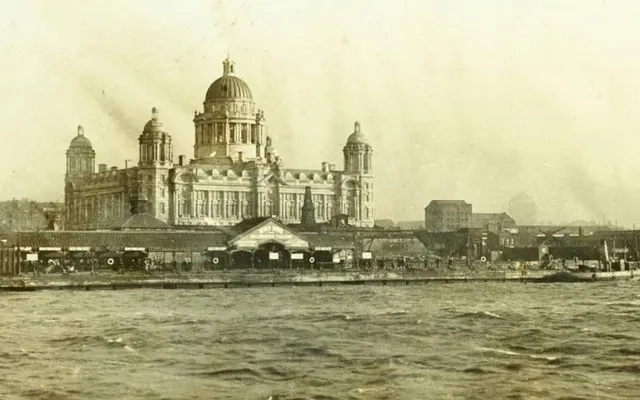
Whether your ancestors were royalty or the servants of royalty, it can be just as satisfying and surprising to learn where you come from. Last night’s episode of Who Do You Think You Are? was no exception, when Ricky Tomlinson learned that he came from a hardworking line of carters in Liverpool.The New York of EuropeIn the 1800s, Liverpool was a major port city that depended on carters to transport goods from the docks into the city. As
Caroline Rance, author of The Quack Doctor and What the Apothecary Ordered, got in touch to show us some of the shocking medical tales she’s unearthed. We’d love to hear about your own discoveries – email [email protected] to tell us about them. **************Whatever you search for in The British Newspaper Archive, chances are the articles you find will be close to adverts promoting cures for every kind of disease. Some brands were sold in good faith and became stalwarts of the
Lonely hearts columns aren’t a modern phenomenon. Search our historical newspapers and you’ll find numerous examples of ‘matrimonial advertisements’ from the 1800s and 1900s.The notices can often make for amusing reading. We’ve collected together a few of our favourites to provide you with some tips for finding love. You may or may not want to take the advice…1) Be overly specific and insultingAn American woman advertised for a husband in 1920, advising that he ‘can have any colour hair