Skip to content

Search the blog

Tag: victorianTag: blitzTag: halloween
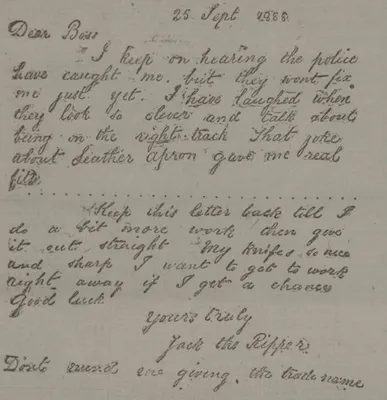
On 27 September 1888, in the midst of a series of horrific murders in Whitechapel, the Central News Office in London received a letter, signed by ‘Jack the Ripper’.Known as the ‘Dear Boss’ letter because of the way it was addressed, the letter changed the way British newspapers reported the Ripper murders.Read newspapers from 1888Facsimiles of the ‘Dear Boss’ letter in the newspapersThe name ‘Jack the Ripper’ reached the British press and general public on 3 October 1888, when Scotland Yard
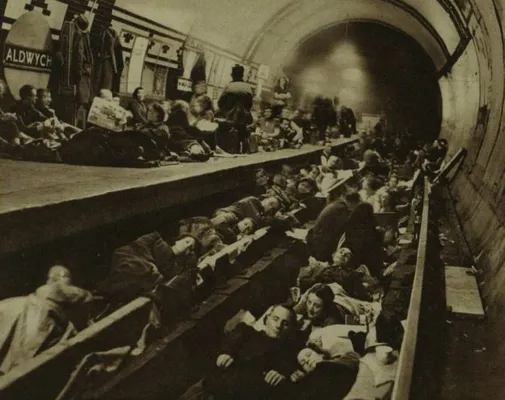
When the Blitz began on 7 September 1940, ‘It was the people of London who took command…Men, women, and children went straight to the safest place they could think of – the Underground stations.’In this special blog, over 80 years after the beginning of the Blitz, we take a look at how London’s main transport system – the Underground –  became a popular place of shelter for those seeking protection from the German bombing campaign, using an assortment of articles and photographs all to be
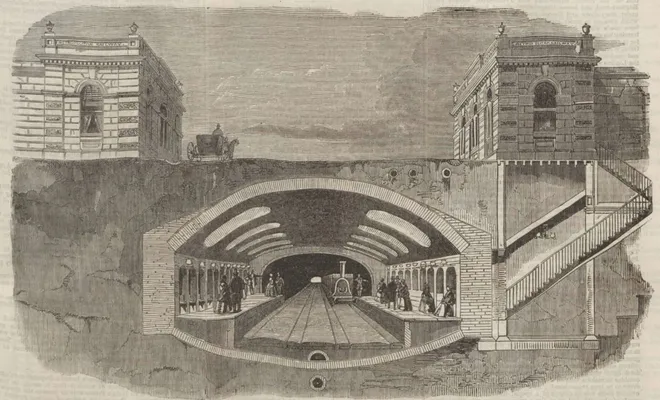
On 10 January 1863 the Metropolitan Railway was opened in London. An unprecedented feat of engineering, the Metropolitan Railway was the first underground railway in the world, forming the basis of the London underground and other global underground systems.In this special blog, we take a look at the historic first three days of the Metropolitan Railway’s existence, from its grand opening on Friday 10 January 1863, to the teething problems it encountered when it opened to the public on the Saturday and Sunday,
This week sees 100,598 brand new pages joining The Archive, with updates to fourteen of our existing titles, as well as five new titles joining our collection.We are delighted to continue to augment our Scottish newspaper holdings, with four brand new Scottish titles added this week. This includes the Ayrshire Post, a weekly title which was founded in 1880 and covers south and east Ayrshire, and another weekly title, the Wishaw Press, which covers north Lanarkshire. Making up our trio of
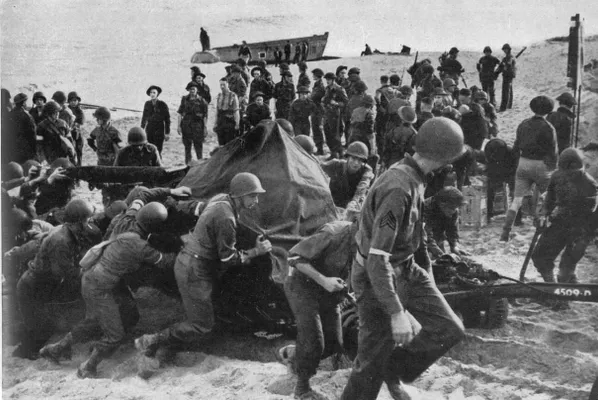
American troops
In honour of Remembrance Day, during the month of November, The British Newspaper Archive will be focusing our attention on military in the newspapers.  Coming up this month we will feature blogs about our special military titles, researching military history, women and war, and wartime rationing and fashion, as well as a guest blog about a remarkable Great War discovery from The Archive.  To begin our military month, we are delving into the newspaper headlines through the years for the
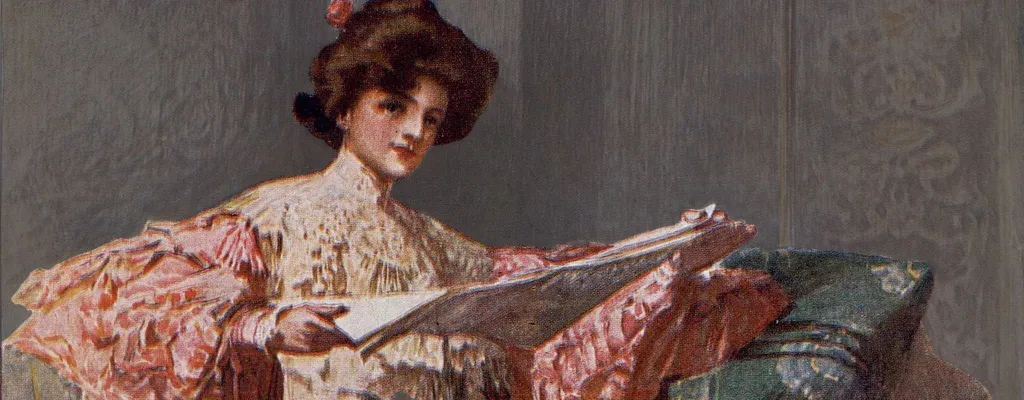
Egon Schiele
While we overwhelmingly mark 31 October as simply the celebration of Halloween, we wanted to highlight some other events that have occurred on this day over the years.On this dayOne event that had an overwhelming and lasting impact took place on this day in 1517: Martin Luther posted on the door of Castle Church, Wittenberg, his 95 Theses.The ever-expanding United States admitted its 36th state on 31 October 1864: Nevada.One of the earliest transcontinental highways in the United States was dedicated
Black cat
Of witches and witchcraftAs we kick off our Halloween celebrations and delve into the history, contained within the newspapers, of witches and witchcraft (and supernatural beings), it is imperative that we preface this — perhaps unnecessarily — with an important disclaimer and reminder: witches, in the sense of practitioners of malevolent powers to do evil works, never existed. Those persecuted during the sixteenth century and onward were, more often than not, local healers and midwives.In 1562, Queen Elizabeth passed the law
Haunted
With Halloween approaching, we wanted to see what we could find related to the topic of hauntings in The British Newspaper Archive.Of children and hauntingsOften the origins of a haunting myth are rooted in death and loss. Sometimes the myth grows and morphs to such a point where its origin is indeterminate. Other times, the sad truth of its origin is unexpectedly revealed, as with the ‘grim discovery’ at a ‘haunted house’ in 1921, reported in The Scotsman.This
Caroline Rance, author of The Quack Doctor and What the Apothecary Ordered, got in touch to show us some of the shocking medical tales she’s unearthed. We’d love to hear about your own discoveries – email [email protected] to tell us about them. **************Whatever you search for in The British Newspaper Archive, chances are the articles you find will be close to adverts promoting cures for every kind of disease. Some brands were sold in good faith and became stalwarts of the
Lonely hearts columns aren’t a modern phenomenon. Search our historical newspapers and you’ll find numerous examples of ‘matrimonial advertisements’ from the 1800s and 1900s.The notices can often make for amusing reading. We’ve collected together a few of our favourites to provide you with some tips for finding love. You may or may not want to take the advice…1) Be overly specific and insultingAn American woman advertised for a husband in 1920, advising that he ‘can have any colour hair