Skip to content

Search the blog

Tag: victorianTag: 1930sTag: blitz
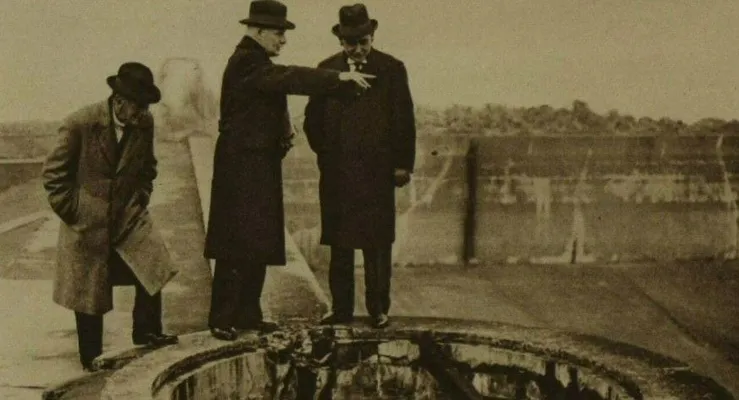
In late 1937 in the borough of Croydon, South London, people began to fall ill with typhoid. Typhoid is a disease that is associated with contaminated water and outbreaks of the illness, at least in the United Kingdom, is something that we might associate today with the nineteenth century, before an age of improved sanitation and safe supplies of drinking water.And so, in this special blog, we will take a look at how the Croydon typhoid epidemic gradually unfolded, as
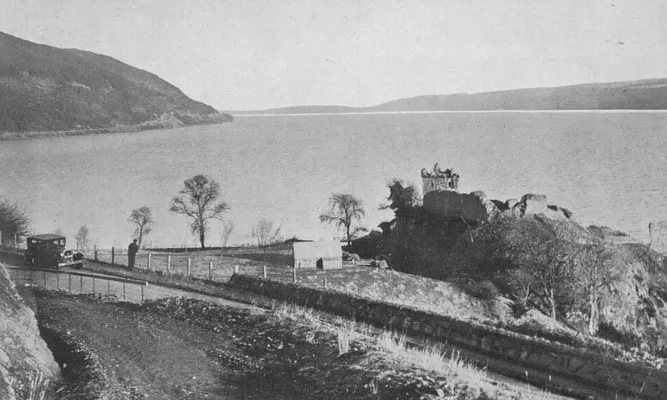
In early May 1933 reports that some kind of monster had been spotted in Loch Ness, in the Scottish Highlands, near Inverness, reached the press. By the end of the year, national weekly publication The Sphere wrote:When the Loch Ness monster first came into the news many believed that the stories published in the Press were nothing more than mere sensationalism. To-day this theory does not hold good. People, whose judgement can be relied on, have seen the ‘monster,’ and
As we move now into February we have been extremely busy here at The Archive, adding 139,438 brand new pages to our collection, with the addition of two brand new titles over the past seven days. Meanwhile, we have made significant updates to a range of our existing titles, with 26 titles updated in all.So read on to discover more about our two new titles of the week, one of which represented the interests of the various Nonconformist Protestant groups of
This week at The Archive has been an extremely busy one as ever – we have added 199,897 brand new pages as we continue to augment our collection of newspapers from across the United Kingdom and Ireland. Over the past seven days alone we have added seven brand new titles, from Finchley to Liverpool, from Glasgow to Skegness, whilst we have updated nineteen of our existing titles, with significant additions to some of our Nottinghamshire titles.So read on to discover more
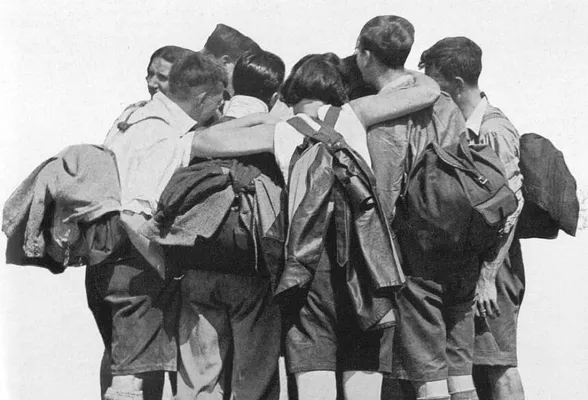
The popularity of walking or ‘hiking,’ as it is termed, is amazingly on the increase. ‘Sabbath day journeys’ are undertaken by the youth of both sexes, armed with knapsacks. Starting from Waterloo to the Surrey hills and commons, where they walk, either in clubs or in private companies, or alone, all day, to return by train at night.So relates The Sphere in the September of 1930 in an article entitled ‘Knapsackery on the Surrey Hills.’ Regarded as the ‘Phenomenon of
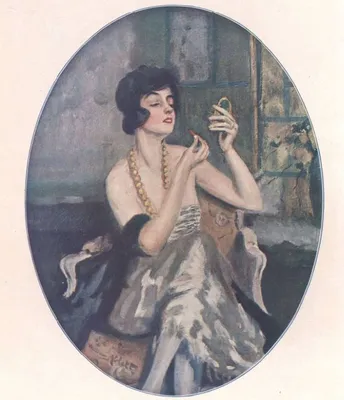
‘Times have brightened,’ writes one 1938 beauty commentator in the Sunderland Daily Echo and Shipping Gazette, as she reflects on how women of the past used to regard their faces.Do you remember how as a young girl, you looked at your face in the mirror and wished that you had a differently shaped mouth, not to mention nose, teeth, ears, and hair? You used to believe that the only thing to do with your face was to be resigned to
In May 1844, the below advertisement appeared in the Cheltenham Chronicle:A Six Weeks Tour, by Steam, to Athens, Smyrna, and Constantinople, calling at Gibraltar and Malta – with the option of visiting, en route, Vigo, Oporto, Lisbon, and Gibraltar. The Peninsular and Oriental Steam Navigation Company’s well-known splendid Steam Ship ‘Tagus,’ 900 tons and 300 horse power, will start from Blackwall on Thursday, 20th June, for the above ports.Time occupied in the Passage, out and home, about six weeks – very superior accommodation
For just over a month in the summer of 1934, the Caravan Club in Endell Street, Holborn, was ‘London’s Greatest Bohemian Rendezvous.’ A safe space for society’s outcasts, it was a temporary haven for London’s marginalised LGBTQ community, home to an eclectic mix of clientele, from cabaret performers to bright young things.But in the early morning of 25 August 1934, the music ended. London’s Caravan Club was raided by the Metropolitan Police, whilst both its owners and members faced criminal charges.The
‘No more thrilling a tale of guilt and crime, and scarcely one so eloquent in its lessons and cautions to those who are in danger of entering upon a life of unbridled passion, is to be found in all the history of poor humanity than this story of William Palmer.’So reads an article in the Sheffield Independent, 17 September 1888, regarding one William Palmer, better known as the Rugeley Poisoner. William Palmer, a former doctor, was convicted in 1856 for the murder
This week on The Archive we have added 20,428 brand new pages, encompassing seven new titles, which cover England and Wales, as well as a brand new title from Jamaica, a first for the British Newspaper Archive.Register now and explore the ArchiveWe have three new titles joining us this week from Yorkshire, strengthening our collection of newspapers from England’s largest county. We have two new titles from the West Yorkshire town of Batley, including the Batley Reporter and Guardian,