Skip to content

Search the blog

Tag: recipesTag: 1930s
This week at The Archive has been an extremely busy one as ever – we have added 199,897 brand new pages as we continue to augment our collection of newspapers from across the United Kingdom and Ireland. Over the past seven days alone we have added seven brand new titles, from Finchley to Liverpool, from Glasgow to Skegness, whilst we have updated nineteen of our existing titles, with significant additions to some of our Nottinghamshire titles.So read on to discover more
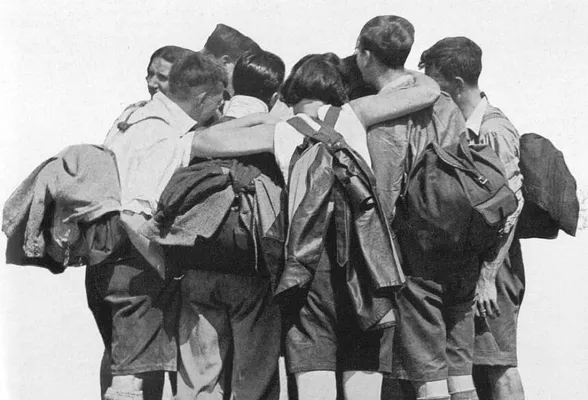
The popularity of walking or ‘hiking,’ as it is termed, is amazingly on the increase. ‘Sabbath day journeys’ are undertaken by the youth of both sexes, armed with knapsacks. Starting from Waterloo to the Surrey hills and commons, where they walk, either in clubs or in private companies, or alone, all day, to return by train at night.So relates The Sphere in the September of 1930 in an article entitled ‘Knapsackery on the Surrey Hills.’ Regarded as the ‘Phenomenon of
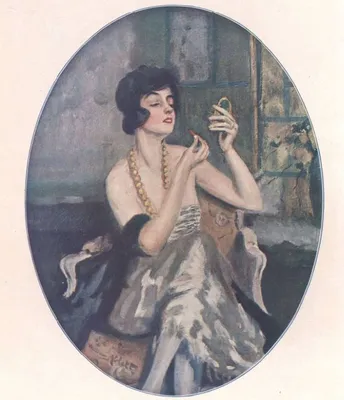
‘Times have brightened,’ writes one 1938 beauty commentator in the Sunderland Daily Echo and Shipping Gazette, as she reflects on how women of the past used to regard their faces.Do you remember how as a young girl, you looked at your face in the mirror and wished that you had a differently shaped mouth, not to mention nose, teeth, ears, and hair? You used to believe that the only thing to do with your face was to be resigned to
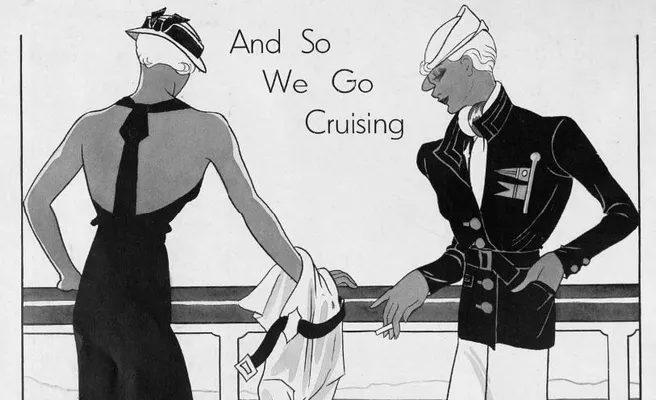
In May 1844, the below advertisement appeared in the Cheltenham Chronicle:A Six Weeks Tour, by Steam, to Athens, Smyrna, and Constantinople, calling at Gibraltar and Malta – with the option of visiting, en route, Vigo, Oporto, Lisbon, and Gibraltar. The Peninsular and Oriental Steam Navigation Company’s well-known splendid Steam Ship ‘Tagus,’ 900 tons and 300 horse power, will start from Blackwall on Thursday, 20th June, for the above ports.Time occupied in the Passage, out and home, about six weeks – very superior accommodation
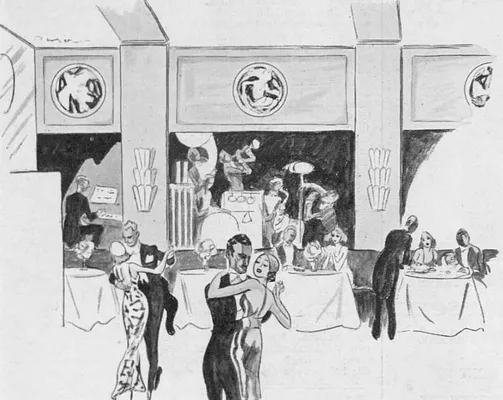
For just over a month in the summer of 1934, the Caravan Club in Endell Street, Holborn, was ‘London’s Greatest Bohemian Rendezvous.’ A safe space for society’s outcasts, it was a temporary haven for London’s marginalised LGBTQ community, home to an eclectic mix of clientele, from cabaret performers to bright young things.But in the early morning of 25 August 1934, the music ended. London’s Caravan Club was raided by the Metropolitan Police, whilst both its owners and members faced criminal charges.The
Register today!It is that time of the year.  The trees have been decorated, the lights strung up around the windows, nativity scenes assembled, and stockings hung (by the chimney with care).  It also means that it is time to start planning your Christmas dinner.  For many of us, that means making travel arrangements, but for the hosts of these pivotal dinners, it means creating an efficient plan, ordering the turkey, picking the best vegetables, and food preparation.  To help
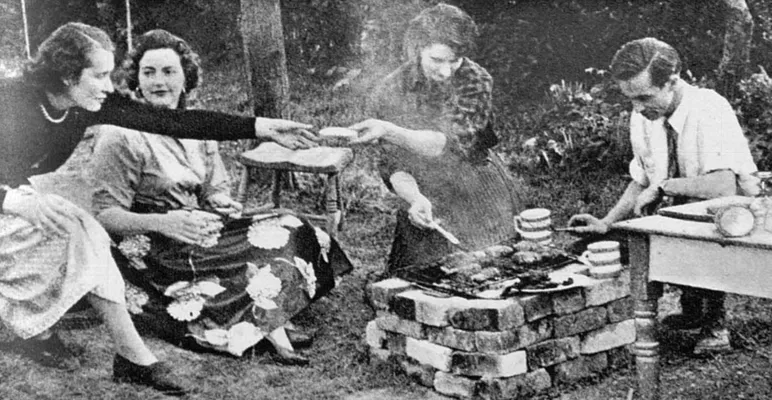
It is that time of year.  The sun is shining and we have been to the DIY store at least three times to buy new patio furniture or get new flowers.  The gardens are set and now we need to get the barbeque prepped and have friends over to enjoy the sun.  This month, in Cookery Corner, explore the British Newspaper Archive for some delicious recipes to have for your barbeque.Barbecue PartiesWe can see from the newspapers, outside
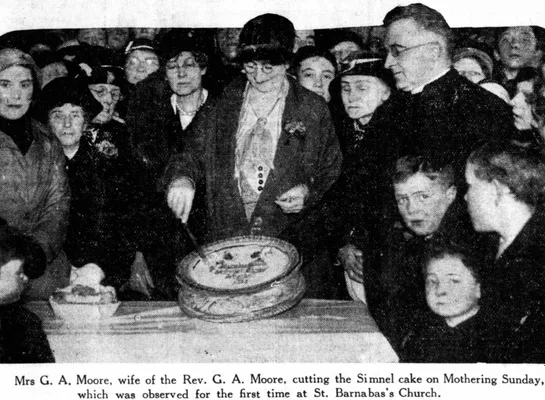
Whilst Mothering Sunday is now commonly combined and celebrated with the secular holiday of Mother’s Day in the United Kingdom and Ireland, its origin is religious in nature and separate from that of the American Mother’s Day.Starting in the 1700s, individuals would attend a special service on Laetare Sunday (the fourth Sunday of Lent) at their mother church (usually the church where an individual was baptised or their local parish church/closest cathedral). This activity was soon coined as going
You can search more than 390,000 newspaper pages from 1914-1918 at The British Newspaper Archive, with more being added all the time. Juliet Greenwood got in touch to explain how she used the collection to research World War One recipes for her novel, We That Are Left.**************When I first began writing a novel set during the First World War, I knew I wanted to focus on the experience of women and civilians.For Elin, the heroine of We That Are Left,