Skip to content

Search the blog

Tag: otdTag: suffragette
With summer well underway and a new month dawning, we take a look at the month of July with the help of The British Newspaper Archive. What events and holidays of significance took place in July? How have our newspapers covered such happenings? Join us as we explore the history and newspaper coverage of Canada Day, the Battle of the Somme, and Independence Day.Canada DayThe national holiday celebrates the anniversary of the enactment of the Constitution Act, which
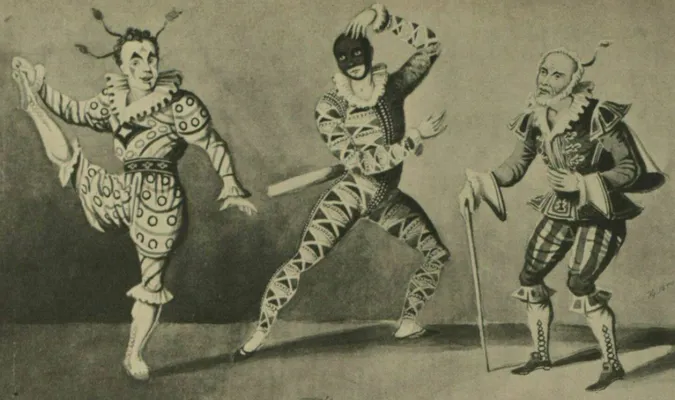
Joseph Grimaldi
Today, we’re highlighting one of many events that have occurred over the years on 31 May.On 31 May 1837, the Clown Laureate of the Regency era, Joseph ‘Joey’ Grimaldi, died.Read the entire obituaryGrimaldi was considered the best clown of the nineteenth century. His work was influential in the role and appearance of clowns — he expanded the clown’s role in pantomimes and the harlequinade. He worked on several famous stages, including Drury Lane, Sadler’s Wells, and Covent Garden. Over the years,
Today, we’re looking at two events that occurred on 18 May: the Khodynka Tragedy in 1896 and Jacqueline Cochran’s breaking of the sound barrier in 1953.Khodynka TragedyThe first took place in 1896 in the Khodynka Field, Moscow. The field was the site of festivities honouring the recent coronation of Emperor Nicholas II. Thousands gathered to celebrate and to, hopefully, receive rumoured gifts of food and a commemorative cup. With growing and increasingly frenzied crowds, the police force on duty for the festival
Mary Richardson, a Suffragette, slashed the Rokeby Venus painting at the National Gallery 100 years ago today.Read the stirring speech she gave at her trial, explaining her actions:View the whole newspaper pageManchester Courier and Lancashire General Advertiser – Friday 13 March 1914Image © Local World Limited. Image created courtesy of THE BRITISH LIBRARY BOARD.
‘Give us also the right to our existence’At Bow Street in London on 16 November 1928, Miss Radclyffe Hall’s novel, ‘The Well of Loneliness’, found itself in the dock on a charge of obscenity.The powers-that-be had decided that they did not like the novel’s ‘unnatural offences’ – hence the decision to prosecute.The magistrate eventually decided that the book was obscene and ordered that it be destroyed.Here is a newspaper story that reports on this famous literary court case.Image ©
On 25 October 1854, Lord Cardigan led the charge of the Light Brigade againt the Russians in the Battle of Balaclava in the Crimea.The insane order to attack the gun positions arose due to a miscommunicated message somewhere along the chain of command.156 men of the Light Brigade were killed in the charge and 122 were wounded – 335 horses were also killed during the attack.Included below is a newspaper article from November 1854 that reports on the charge.Read a BNA blog post
On 30 September 1860, the first tram service in the UK started operating at Birkenhead on Merseyside.The tram service was the idea of the (aptly named) George Francis Train, an American entrepreneur who was a pioneer of innovative transport systems.To mark that historic day, here is a newspaper story from October 1860 that reports on the opening of the Birkenhead tram service.
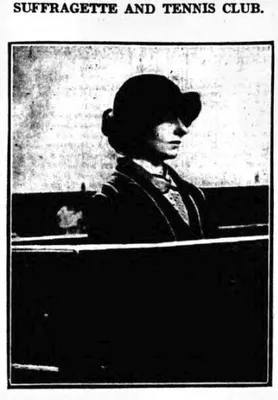
The fact that the green, purple and white colours of the Suffragette Movement are the same colours used by Wimbledon, has sometimes been commented upon.With this in mind, we thought we’d try and find some newspaper stories that bring together Wimbledon and the suffragettes.Oh, and we found some stories! We found two reports about an incident in 1913 when a suffragette attempted to burn down Wimbledon. One from the time, in the Derby Daily Telegraph, and another from fifteen
The Somme Offensive commenced on 1 July 1916, as Allied forces attacked German positions by the River Somme on the Western Front in France.On the opening day of the battle, the British suffered 60,000 casualties – making it the worst day in the history of the British army.Here is an upbeat newspaper report of the battle, which was published on the first day of the battle – also included is a map of the area where the battle took place.Image © Northcliffe Media
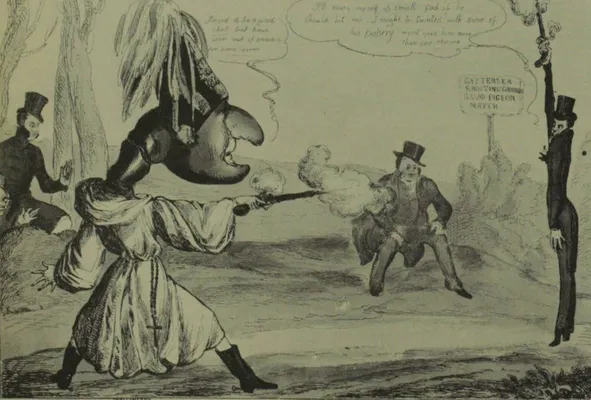
On 23 March 1829, the Duke of Wellington and Earl of Winchilsea fought a duel at Battersea Fields in South London.At this time, the Duke of Wellington was Prime Minster of Great Britain and Ireland, and his Tory Government had passed the Catholic Relief Bill. This act was represented the legislative move towards Catholic emancipation, and a section of the legislation would allow Catholics to take a seat in parliament.The Duke of Wellington | Illustrated London News | 24 June 1843Wellington (who had