Skip to content

Search the blog

Tag: ocrTag: suffragettesTag: manchester
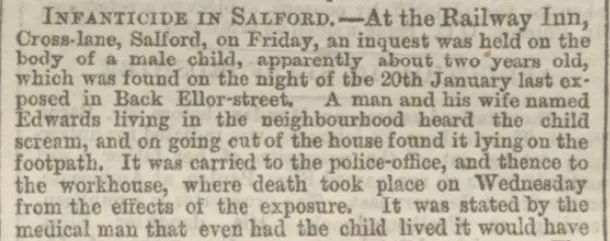
As part of our history of law and crime month on The Archive, we are delighted to featured a very special guest post by author and former probation officer Martin Baggoley, who has written extensively on the history of crime and punishment.In this guest post, Martin describes how he used The Archive to research the tragic topic of infanticide in Victorian Salford, a desperately sad chapter in Britain’s crime history. So read on to discover the methods that Martin
We have had another busy week here at The Archive, where the presses don’t stop whirring! In all, we have added another 98,718 brand new pages, with six brand new titles joining us this week.You’ll find new titles covering both the north and south of England, the south of Wales, and specialist titles that focus on the temperance and trade unionism movements in the Victorian era. So read on to discover more about our very special new titles of the
It’s been another busy week for us here at The Archive as we have added 148,050 brand new pages over the past seven days. We are also delighted to welcome five brand new titles, hailing from Blackpool to Bridgend, from Dorset to Kenilworth, and a very special paper which was aimed at cotton factory workers in Lancashire.So read on to find out more about the Cotton Factory Times, our four other new regional titles, as well as to learn more
This week at The Archive we have been as busy as ever adding new pages and new titles to our collection. In all 106,730 brand new pages have joined us, as we welcome a bumper crop of ten brand new titles from across the British Isles and Ireland – including what might very well be Wales’s first ever newspaper, and the beginnings of a famous national newspaper.Read on to discover more about this week’s exciting new additions!Register now and explore
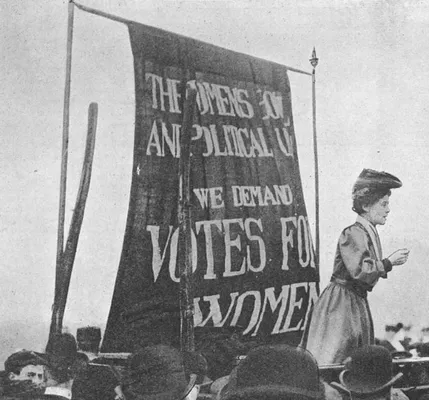
This past week we released 105,098 pages to The Archive.  In time for International Women’s Day we are thrilled to add nine new titles to our Suffragette Collection.  We have also  updated four existing titles including The Globe for which we now have editions spanning 1804 to 1921, and our recently added Scottish title The North Star and Farmer’s Chronicle for which we now have a run from 1893 to 1911.Our new titles represent the full spectrum of the feminist and suffrage movements, from
Alice Maud Mary Arncliffe-Sennett was an energetic militant suffragette, determined to fight for women’s suffrage even if that meant getting arrested and going against prominent leaders such as Emmeline Pankhurst and Milicent Fawcett.  Through the newspapers, we can find details about Arncliffe-Sennett’s life, career, and activism.Alice, or Maud as she was often called, lived in London and worked as an actress.  Her stage name was Mary Kingsley.  Here is a review by The Era of her performance as Lady
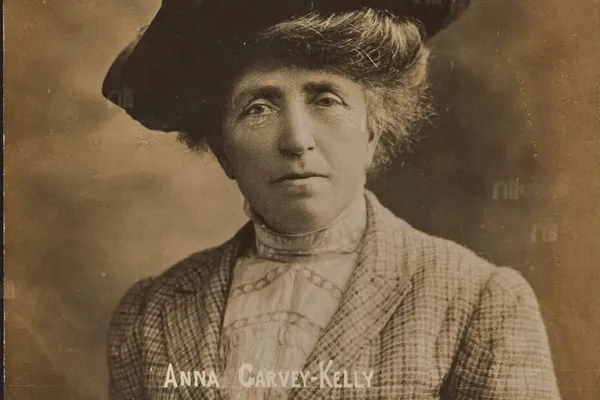
This year, in recognition of the centenary of the Representation of the People Act 1918, we will showcase the lives and activities of women involved in the Suffrage movement of the late nineteenth and early twentieth century.Despite making headlines for their activities many of these women are now forgotten.In this blog post we will revive the memory of Irish Suffragette, Anna Garvey Kelly, whose support of the cause of Suffrage saw her spend a month in Holloway prison in
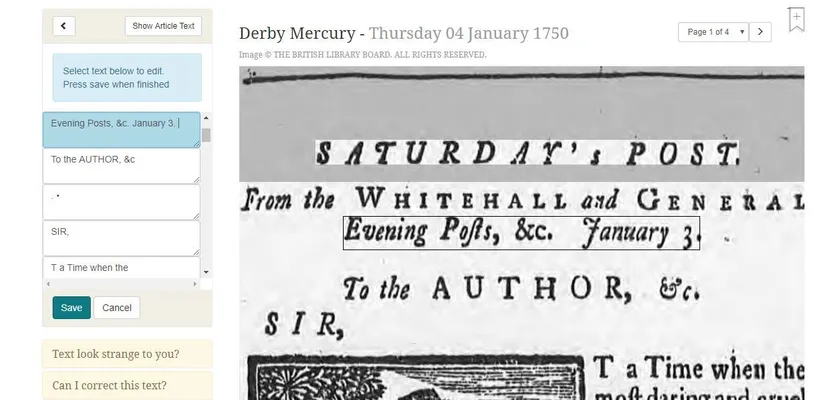
One of the features of The British Newspaper Archive is the OCR editing tool.  This allows every user to contribute to the improvement of The Archive.  OCR stands for Optical Character Recognition– the process we use to transform millions of digitised images into searchable text.   The computer takes an image of the page and then turns each line into text.  However, as many of us have encountered, the text is not always correct and needs improvement.  As a group, we
The Manchester Courier and Lancashire General Advertiser, like other British newspapers, reported that Britain joined the First World War on 4 August 1914.The Courier makes for especially fascinating reading because it reported the news in a very different way.Manchester Courier: ‘Keep your country out of a wicked and stupid war’Many newspapers included an advert encouraging unmarried men between 18 and 30 years old to join the Army on 5 August 1914.This example is taken from another title printed in Manchester, the Manchester